
The Rise of Acoustic Booths in Modern Workspaces
Open-plan offices were designed to boost collaboration—but they’ve also introduced a major challenge: constant noise. Conversations, phone calls, and background sounds can easily disrupt concentration. In fact, workplace noise is one of the leading causes of lost productivity and employee stress.
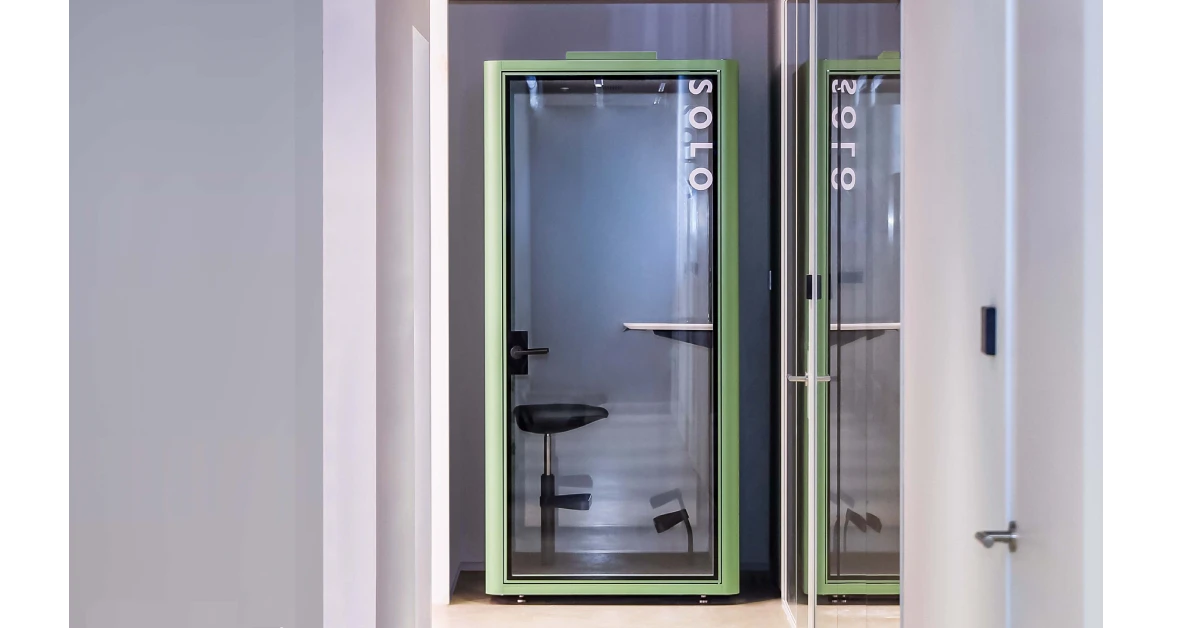
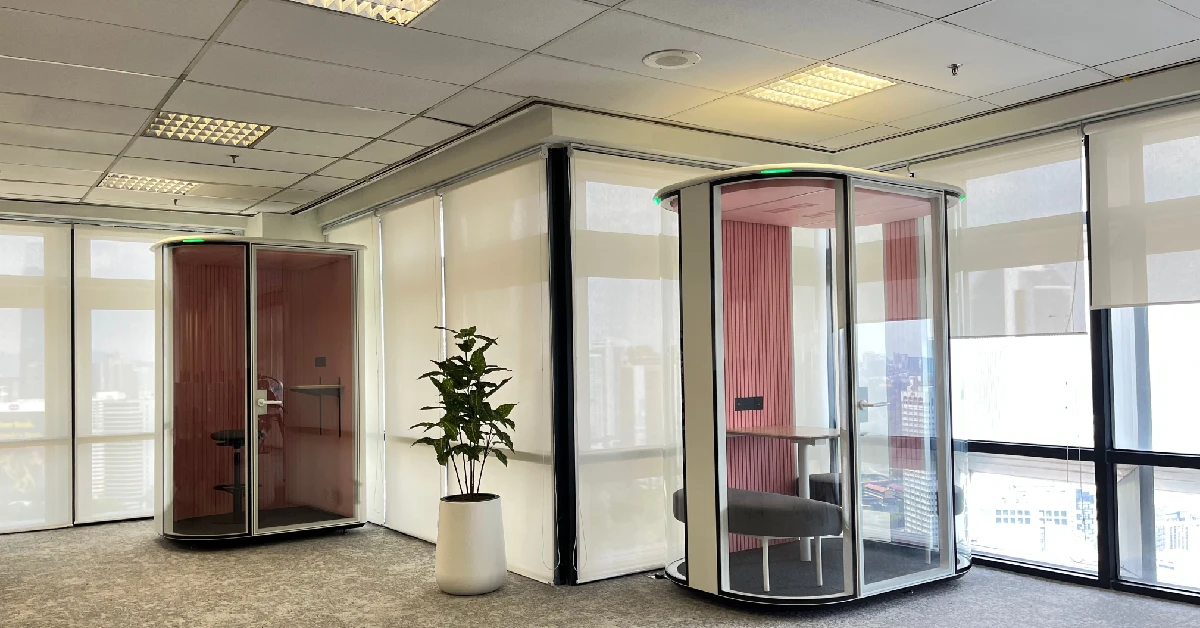
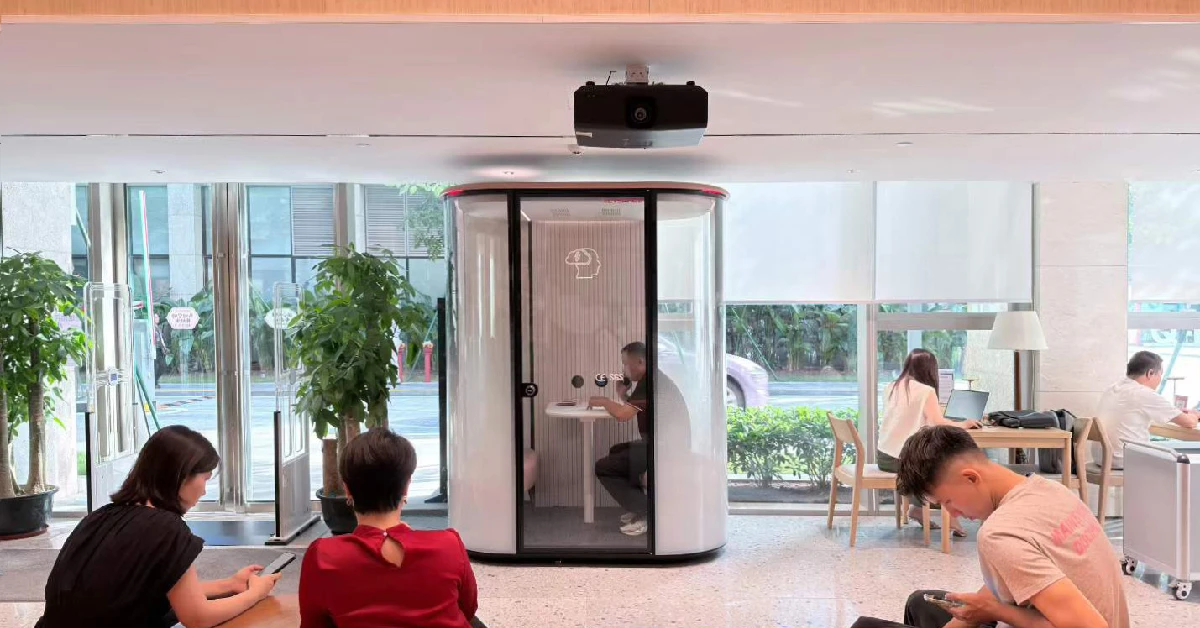
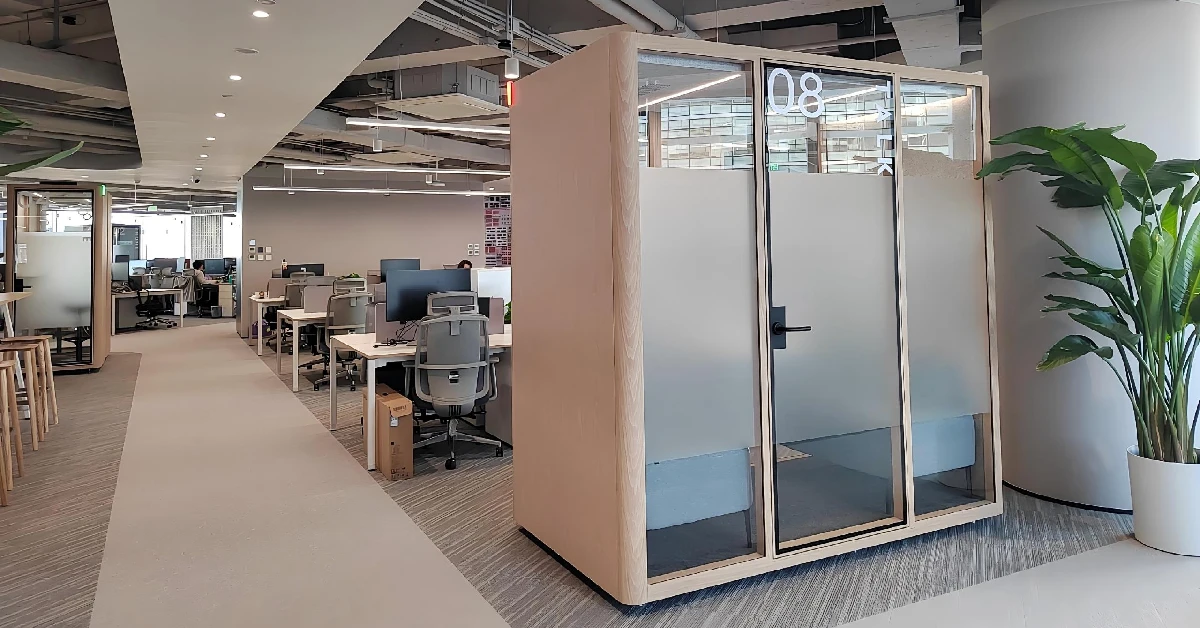
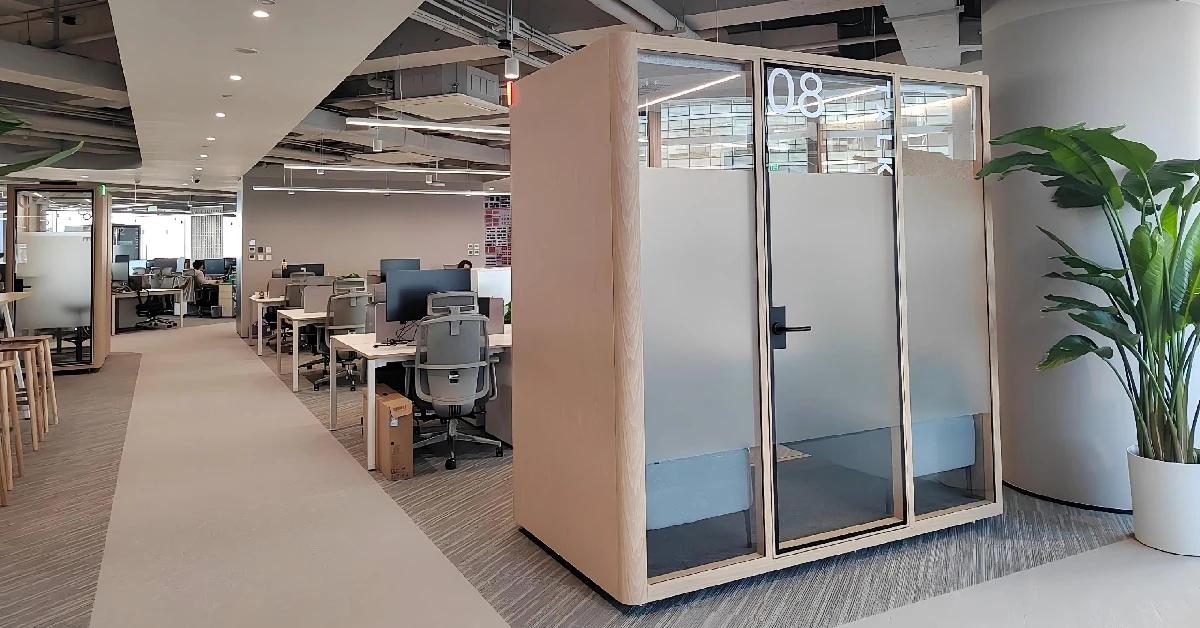
To solve this, many companies are turning to acoustic booths—compact, sound-controlled spaces designed for focus and privacy. These pods offer employees a retreat from distractions without requiring permanent walls or renovations.
But a key question remains: are acoustic booths suitable for working all day, or are they better used occasionally?
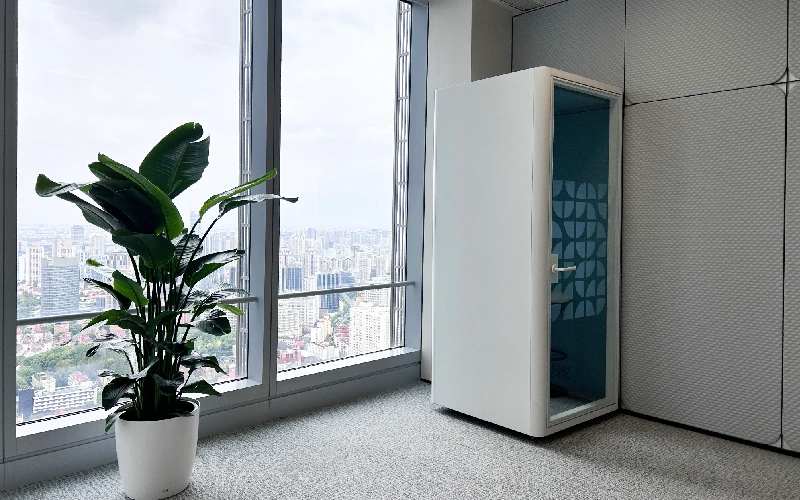
What Acoustic Booths Are Designed For
Acoustic booths are engineered to create a controlled environment where sound is reduced and speech privacy is maintained. Many high-quality pods can reduce external noise by up to 30 dB, bringing sound levels close to a whisper.
They are typically used for:
- Phone and video calls
- Deep focus work
- Private conversations
- Short meetings

Inside, they often include ventilation systems, lighting, power outlets, and ergonomic furniture to support comfort during use.
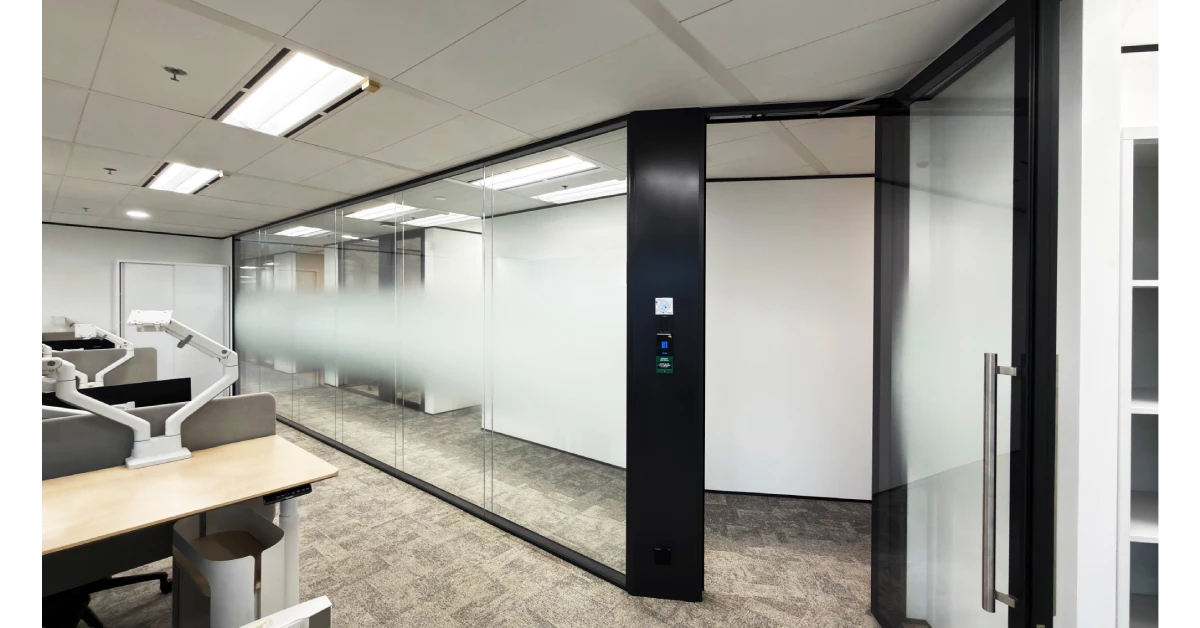
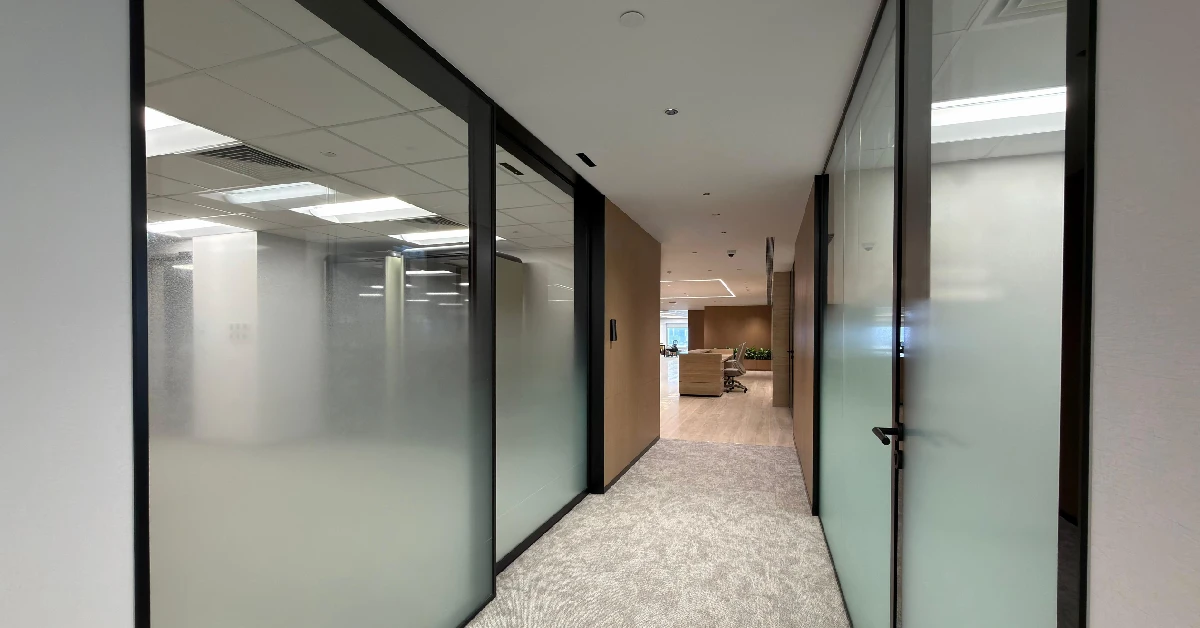
Some modern booths also integrate switchable smart glass), which can instantly change from clear to frosted with electrical control, adding flexible privacy without physical blinds or curtains.
However, their design is intentional—they are optimized for specific tasks, not necessarily continuous, full-day occupancy.
Why Working All Day in a Booth Isn’t Ideal
Movement and Ergonomics Matter
Even the best-designed booth cannot replace the benefits of movement. Studies show that staying in one position for extended periods can lead to discomfort and reduced well-being. Modern workplaces emphasize activity-based working, where employees move between different spaces depending on tasks.
Using a booth all day may limit this natural movement and reduce ergonomic variety.
Mental Fatigue from Isolation
Acoustic booths provide privacy—but too much isolation can have downsides. Humans benefit from a balance between quiet focus and social interaction.
While a quiet environment enhances concentration, prolonged isolation may:
- Reduce spontaneous collaboration
- Lower team engagement
- Increase feelings of detachment
The ideal workplace blends both focus zones and collaborative areas.
Airflow and Comfort Limitations
Most acoustic booths include ventilation systems, but they are designed for temporary occupancy, not continuous use for 8+ hours.
Even with good airflow, spending an entire day in a compact enclosed space may feel restrictive compared to open or shared workstations.
Not All Tasks Require Silence
Different tasks require different environments. For example:
- Creative brainstorming benefits from interaction
- Team meetings require collaboration
- Routine work may not need total silence
An overly quiet setting can even feel unnatural—research suggests that moderate background sound (around 40 dB) is ideal for focus.
This means that absolute isolation isn’t always the most productive choice.
When Acoustic Booths Work Best
Deep Focus Sessions
Use booths for tasks requiring high concentration—writing, analysis, coding, or problem-solving.
Calls and Virtual Meetings
They provide excellent speech clarity and prevent disturbing others, making them ideal for hybrid work environments.
Short-Term Privacy Needs
Sensitive conversations, HR discussions, or confidential work benefit from enclosed spaces.
The short answer: no—but you should absolutely use one regularly.
Acoustic booths are powerful tools for improving focus, reducing noise stress, and supporting hybrid work. However, they are most effective when used as part of a dynamic workspace strategy, not as a full-time workstation.
The best-performing workplaces don’t rely on a single environment—they offer choice. And acoustic booths are one of the most valuable options in that mix.