
Introduction: The Missing Layer in Hybrid Offices
Hybrid work has solved flexibility—but created a new challenge: lost spontaneity.
With fewer in-person interactions, teams often rely on scheduled meetings and digital tools. While efficient, this structure leaves little room for the quick conversations and unplanned exchanges that drive real innovation.
This is where acoustic pods and office booths step in—not just as quiet spaces, but as enablers of dynamic, human-centered collaboration.
Why Hybrid Work Needs Spontaneous Interaction
Great ideas rarely come from rigid agendas. They emerge in moments—when colleagues exchange thoughts freely, challenge assumptions, or build on each other’s ideas in real time.
In hybrid setups, these moments are harder to create. Without intentional spaces, employees either:
- Stay isolated at their desks
- Over-rely on formal meetings
- Avoid collaboration due to lack of privacy
The result? Less creativity, slower decision-making, and weaker team connection.
Acoustic Pods: More Than Just Quiet Spaces
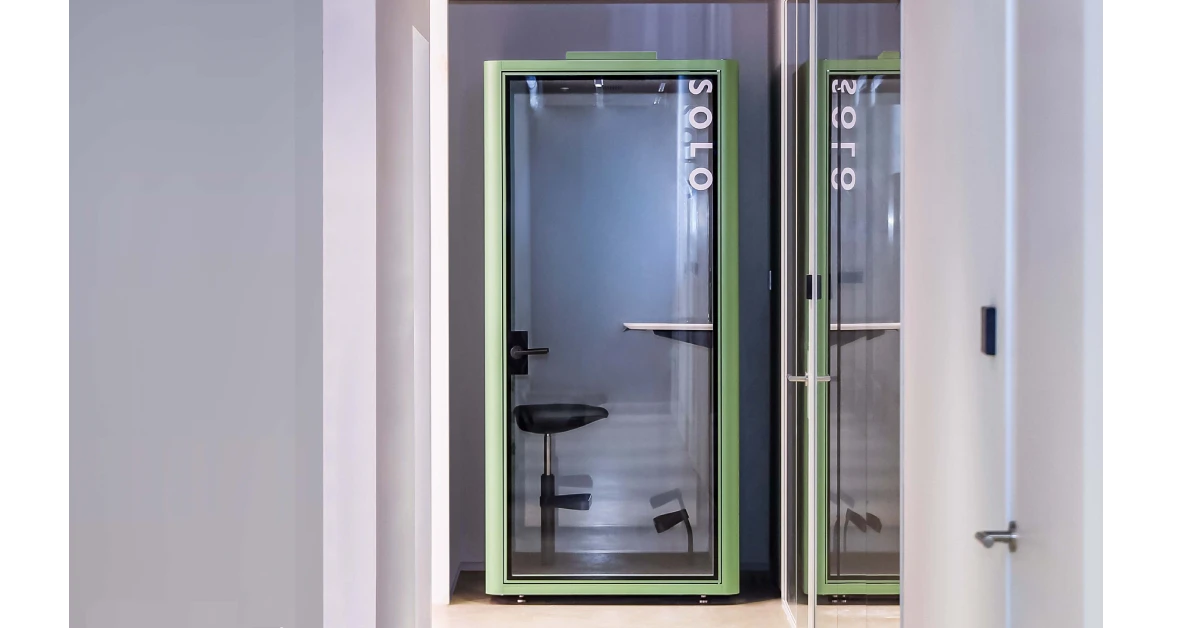
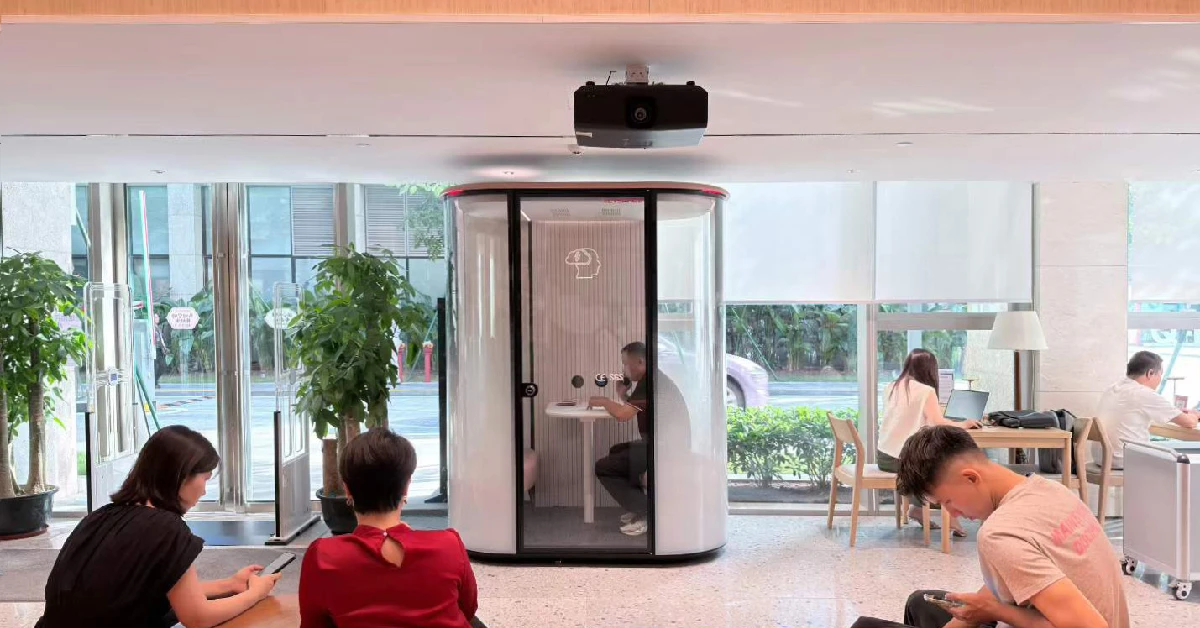
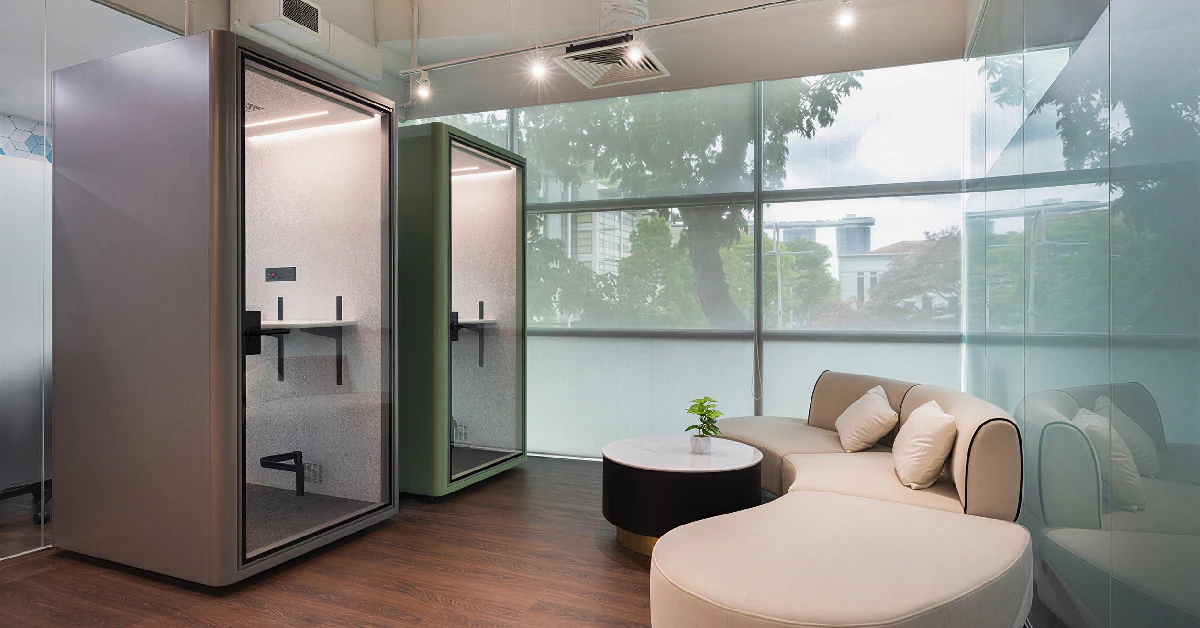
Acoustic pods are often seen as tools for focus—but their real value goes beyond noise control.
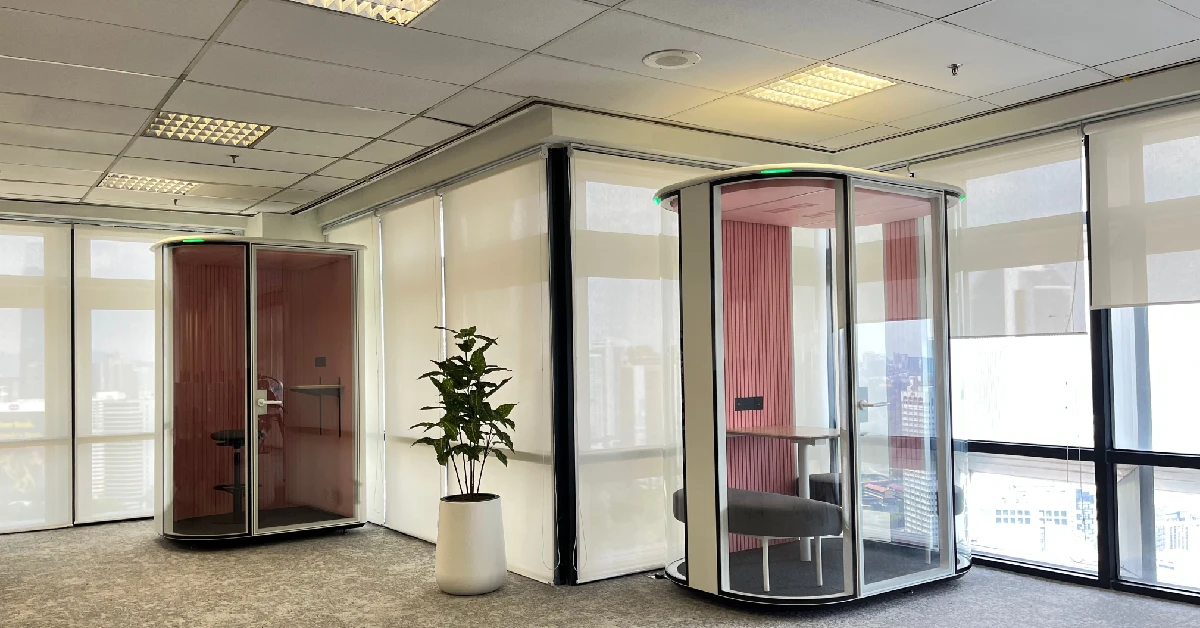
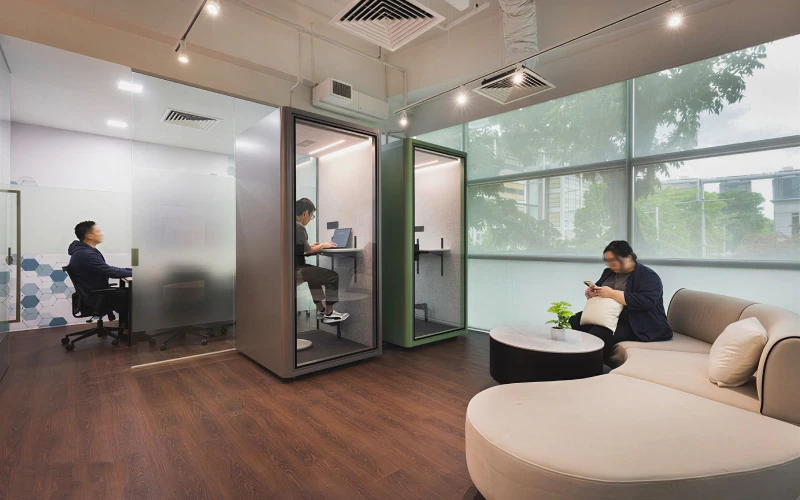
They create instant, accessible spaces where spontaneous collaboration can happen without disruption.
With features like:
- Sound insulation for speech privacy
- Built-in ventilation and lighting
- Integrated power for devices
- Compact, flexible placement
Pods allow teams to move naturally between deep work and quick interaction—without booking rooms or searching for space.
From Interruptions to Intentional Collaboration
In open offices, spontaneous interaction often comes at a cost: noise and distraction.
Acoustic booths solve this by transforming interruptions into intentional micro-collaborations.
Instead of talking across desks, employees can:
- Step into a pod for a quick 5-minute discussion
- Jump into a private call without disturbing others
- Hold impromptu brainstorming sessions
This balance is critical. It keeps communication fluid—while protecting overall workplace focus.
Designing for Flow: Flexibility Drives Engagement
Workplaces that support spontaneity are designed for movement and choice.
Acoustic pods play a key role in this ecosystem by acting as:
- Focus zones for individual work
- Phone booths for calls and virtual meetings
- Meeting pods for small team collaboration
Placed strategically within the office, they reduce friction—making it easy for employees to connect when needed, and disconnect when focus is required.
Why Pods Improve Both Productivity and Creativity
Spontaneity without structure can create chaos—but structure without flexibility kills creativity.
Acoustic pods help strike the right balance by:
- Reducing noise stress in open environments
- Encouraging quick, meaningful interactions
- Supporting hybrid communication (in-person + virtual)
- Enhancing employee comfort and well-being
When employees feel they have control over how and where they work, engagement naturally increases.
The New Role of the Office: A Collaboration Hub
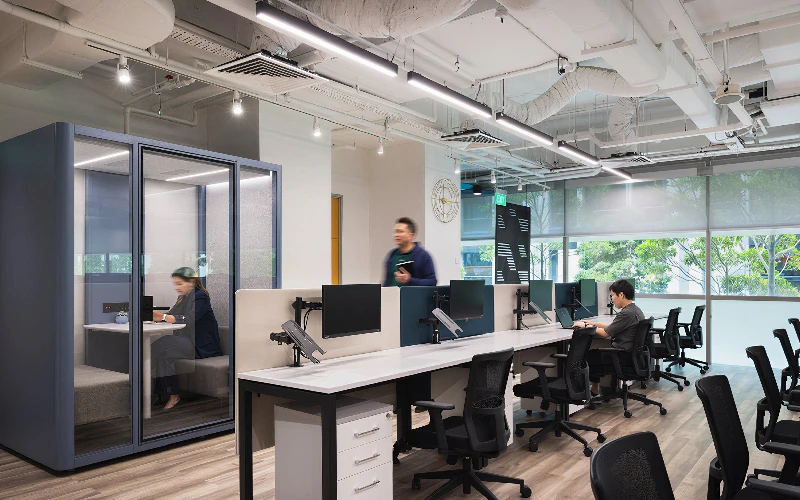
In hybrid work, the office is no longer just a place for tasks—it’s a space for connection and idea generation.
Acoustic pods reinforce this shift by enabling:
- On-demand collaboration
- Private conversations in open layouts
- Seamless transitions between solo and team work
Instead of large, underused meeting rooms, companies can rely on distributed, flexible solutions that better match how people actually work today.
Conclusion: Small Spaces, Big Impact
Spontaneity is not something you can schedule—but you can design for it.
Acoustic pods and office booths provide the infrastructure that hybrid teams need to reconnect, collaborate, and innovate—without sacrificing focus or privacy.
In a world where flexibility is standard, the real advantage comes from creating spaces that support both planned work and unexpected moments.
Because sometimes, the most valuable conversations happen when you least expect them.