
Rethinking Quiet in Open Offices
Open-plan offices were designed to encourage collaboration—but in reality, they often introduce constant distractions. Conversations, phone calls, and background noise can quickly reduce focus and productivity. As companies search for smarter workspace solutions, acoustic pods are becoming a practical and stylish answer.
These modern office pods provide a dedicated, quiet space without requiring permanent construction. Whether for calls, focused work, or quick meetings, they offer flexibility that traditional layouts simply can’t match.
A Closer Look at Acoustic pod Design
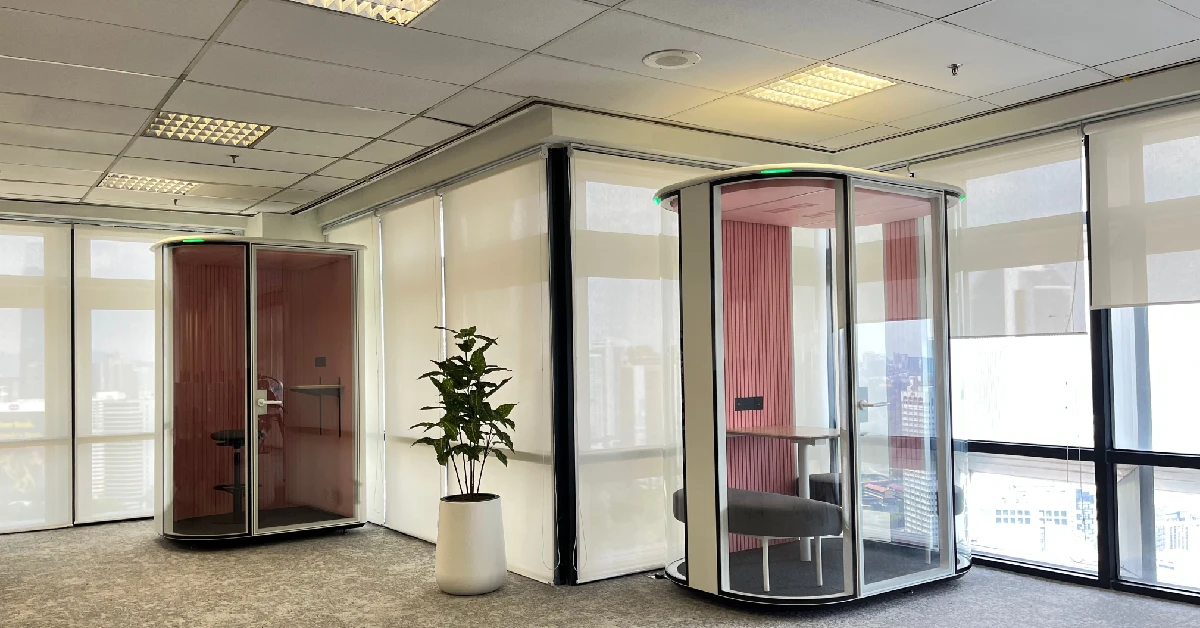
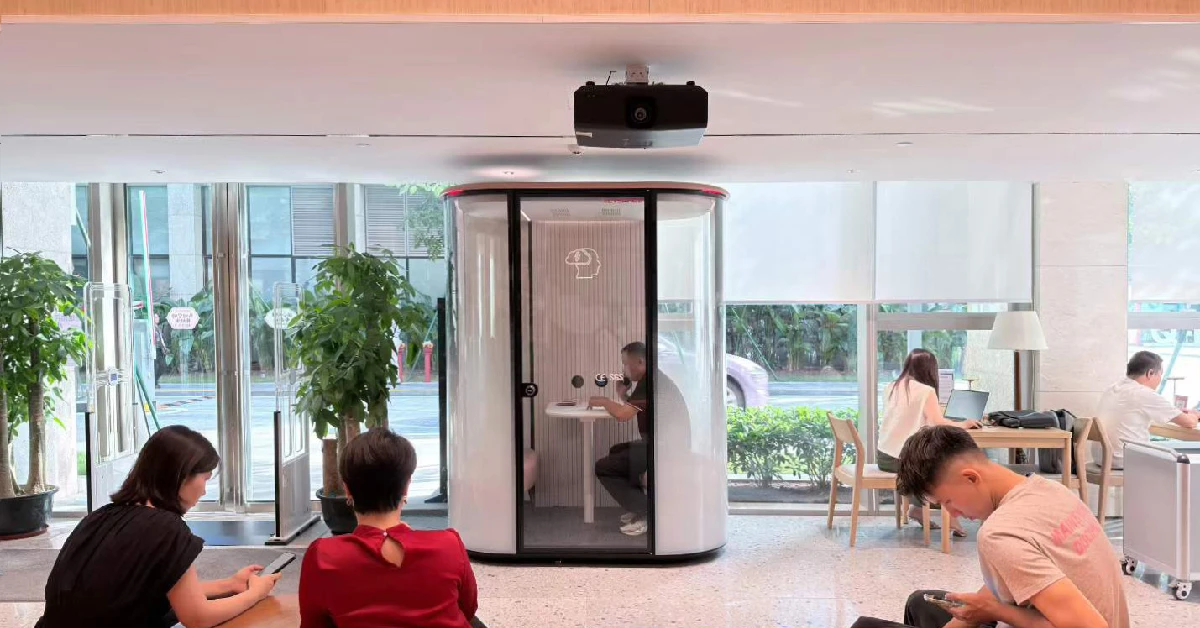
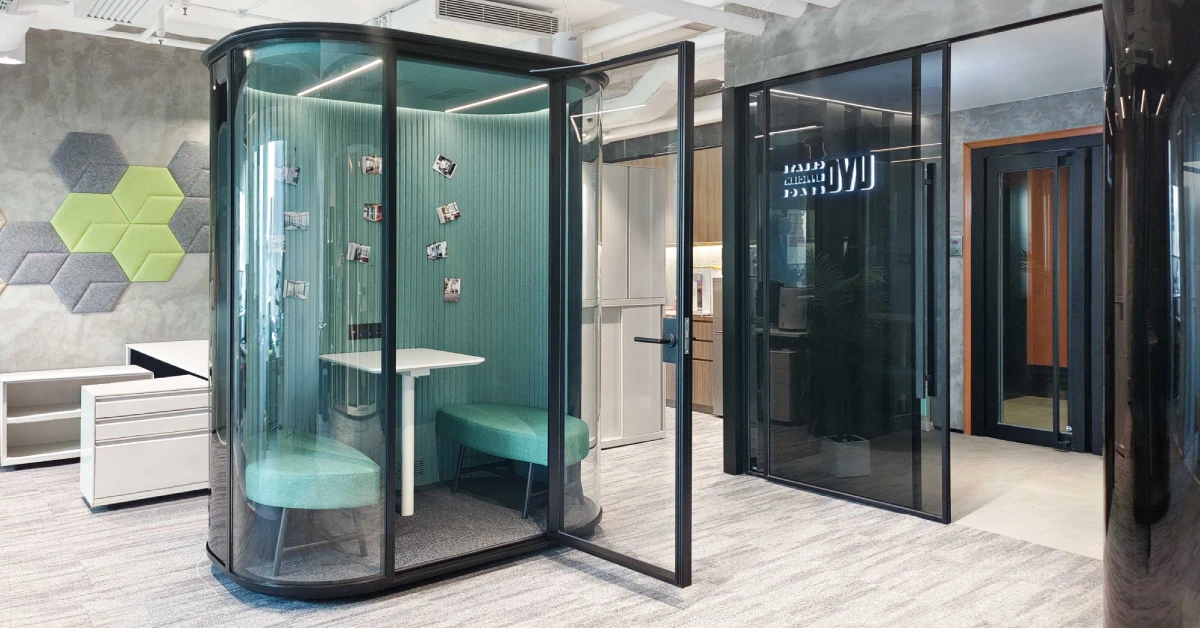
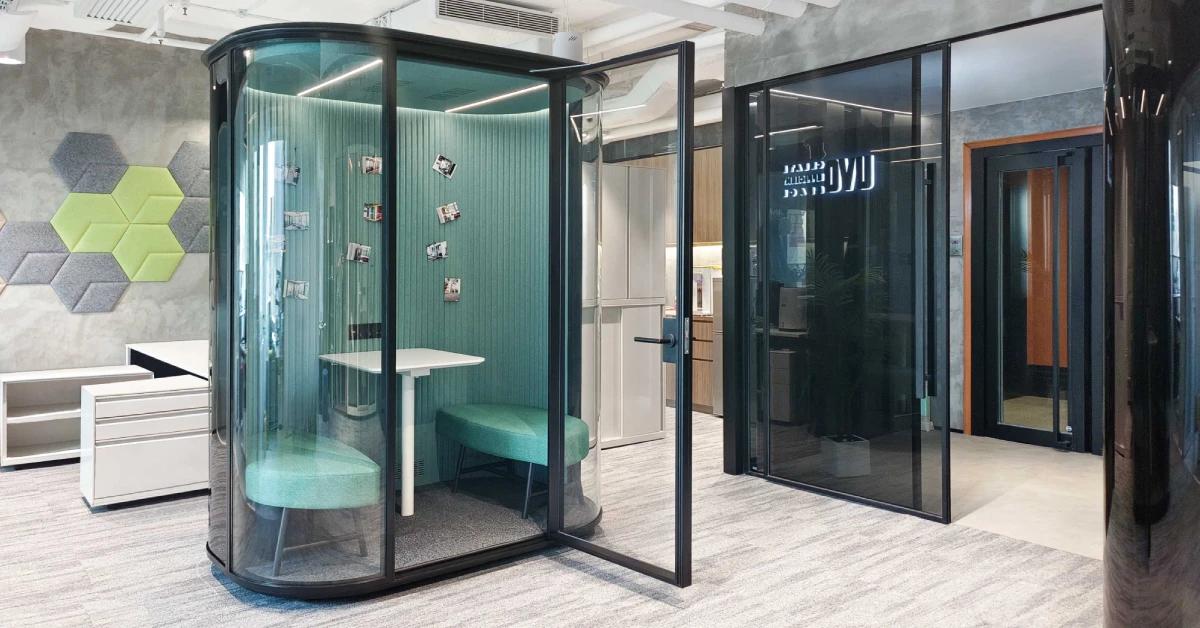
The pod shown below reflects a new generation of acoustic design— yet highly functional. Its curved glass exterior creates a modern, premium look while maintaining visibility within the office environment. Q-room
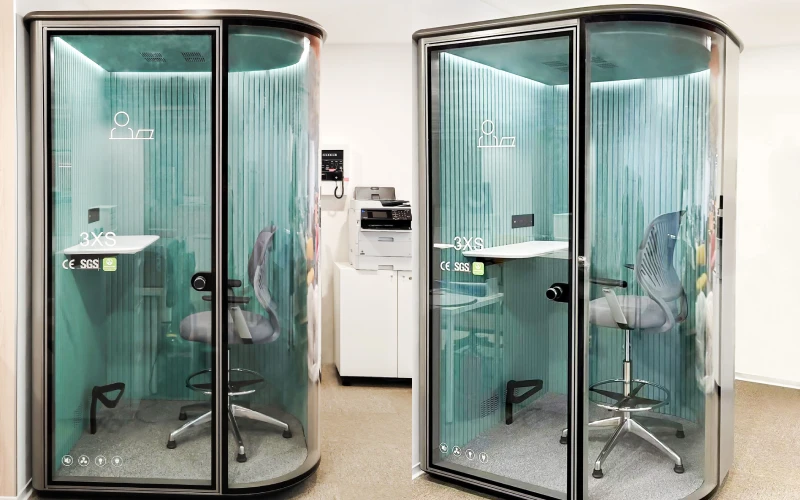
Inside, the layout is optimized for comfort and efficiency:
- A small desk provides just enough space for a laptop or notes
- Ergonomic seating supports short- to mid-length sessions
- Soft interior finishes help absorb sound effectively
- Integrated lighting ensures a comfortable working atmosphere
Despite its minimal footprint, the pod feels open rather than confined, thanks to transparent panels and thoughtful proportions.
Key Benefits of Acoustic pods
1. Instant Privacy Without Renovation
One of the biggest advantages is that acoustic pods require no structural changes. Unlike building meeting rooms, they can be installed quickly and relocated when needed. This makes them ideal for growing or flexible teams.
2. Improved Focus and Productivity
Noise is one of the leading causes of lost productivity in offices. Acoustic pods reduce external distractions, allowing employees to concentrate on tasks that require deep focus. Even short sessions in a quiet environment can significantly improve output quality.
3. Better Call and Meeting Experience
With remote work and virtual meetings becoming standard, having a quiet place for calls is essential. These pods provide controlled acoustics, ensuring clear communication without background interruptions.
4. Space Efficiency
Traditional meeting rooms often sit unused for large portions of the day. pods, on the other hand, are designed for short, frequent use—maximizing the efficiency of office space.
Where Acoustic pods Fit Best
Phone and Video Calls
Instead of taking calls at desks, employees can step into a pod for privacy and better sound quality. This also reduces noise for colleagues nearby.
Focused Work Sessions
When concentration is critical—writing, designing, or analyzing—these pods offer a distraction-free environment.
Quick Meetings
Not every discussion requires a full conference room. Small pods are perfect for one-on-one conversations or short team check-ins.
Hybrid Work Environments
As offices adapt to hybrid models, flexible solutions like acoustic pods help balance collaboration with individual work needs.
Design Details That Make a Difference
What sets modern acoustic pods apart is attention to detail. Features often include:
- Ventilation systems to maintain airflow and comfort
- Integrated power outlets for charging devices
- LED lighting designed to reduce eye strain
- Acoustic panels that minimize echo and external noise
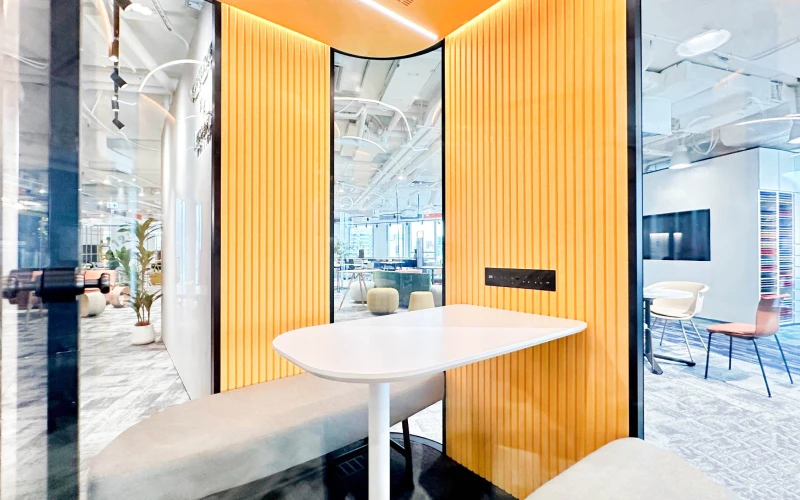
In the pod shown, the vertical interior texture not only enhances aesthetics but also improves sound absorption—combining design with functionality.
The Future of Workplace Design
As workplaces continue to evolve, flexibility and employee well-being are becoming top priorities. Acoustic pods represent a shift toward more adaptable environments—where people can choose how and where they work best.
Rather than replacing open offices, these pods enhance them. They create balance: open when collaboration is needed, quiet when focus matters most.