

University campuses today are under increasing pressure to do more with less. Student populations are growing, learning formats are diversifying, and expectations around privacy, focus, and wellbeing are higher than ever. At the same time, many institutions are working within fixed building footprints and tight budgets. These challenges have driven campuses to rethink how space is designed, used, and adapted over time.
One solution gaining momentum across higher education is the use of office pods—self-contained, flexible spaces that can be placed within existing buildings to support a wide range of academic and student needs.
The Changing Nature of Learning on Campus
Higher education is no longer limited to lecture halls and libraries. Today’s students move fluidly between in-person classes, online lectures, group projects, virtual meetings, and independent study. Faculty members also balance teaching, research, remote collaboration, and administrative work.
Traditional campus layouts, however, were not designed for this level of flexibility. Open study areas can be noisy and distracting, while private rooms are often scarce and heavily booked. As a result, students may struggle to find quiet places for concentration, and staff may lack suitable spaces for confidential discussions or virtual meetings.
Universities need adaptable environments that reflect how learning and teaching actually happen today.
Why Noise and Distraction Matter in Higher Education
Noise is more than a minor inconvenience—it directly affects learning outcomes. Studies have shown that excessive background noise reduces concentration, comprehension, and information retention. On busy campuses, common sources of disruption include foot traffic, collaborative study groups, and open-plan layouts.
For students attending online classes or recording presentations, poor acoustics can also impact communication quality and confidence. Faculty members conducting virtual meetings or advising sessions face similar challenges when privacy is limited.
Creating quiet, acoustically controlled spaces is therefore essential for academic performance and overall campus experience.
Office Pods as a Practical Campus Solution
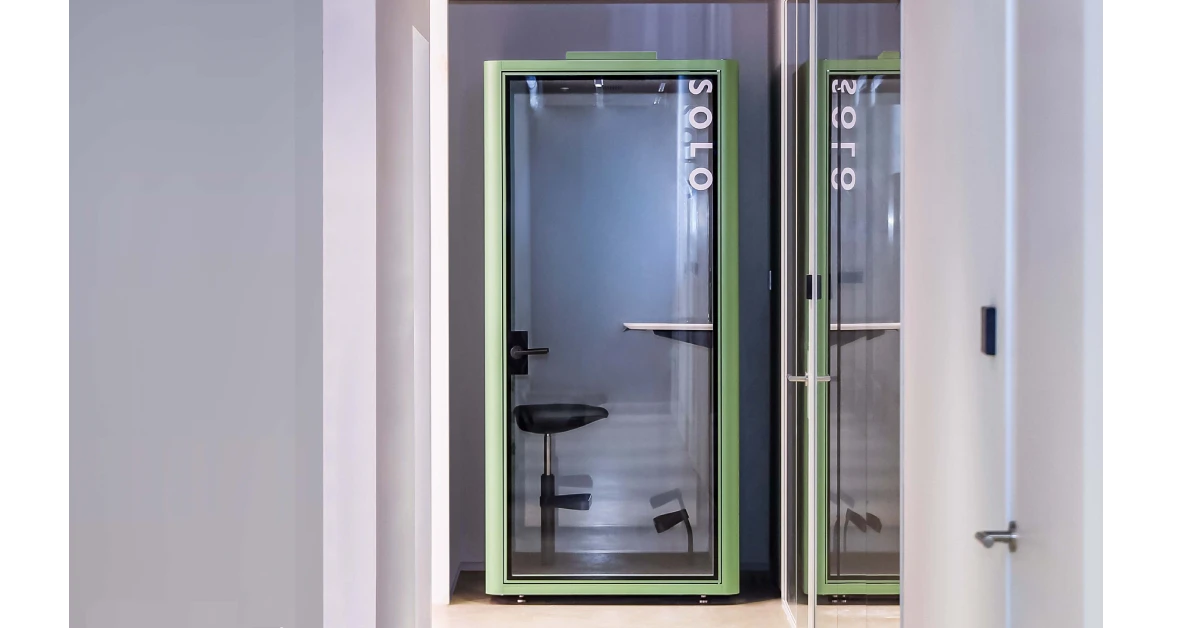
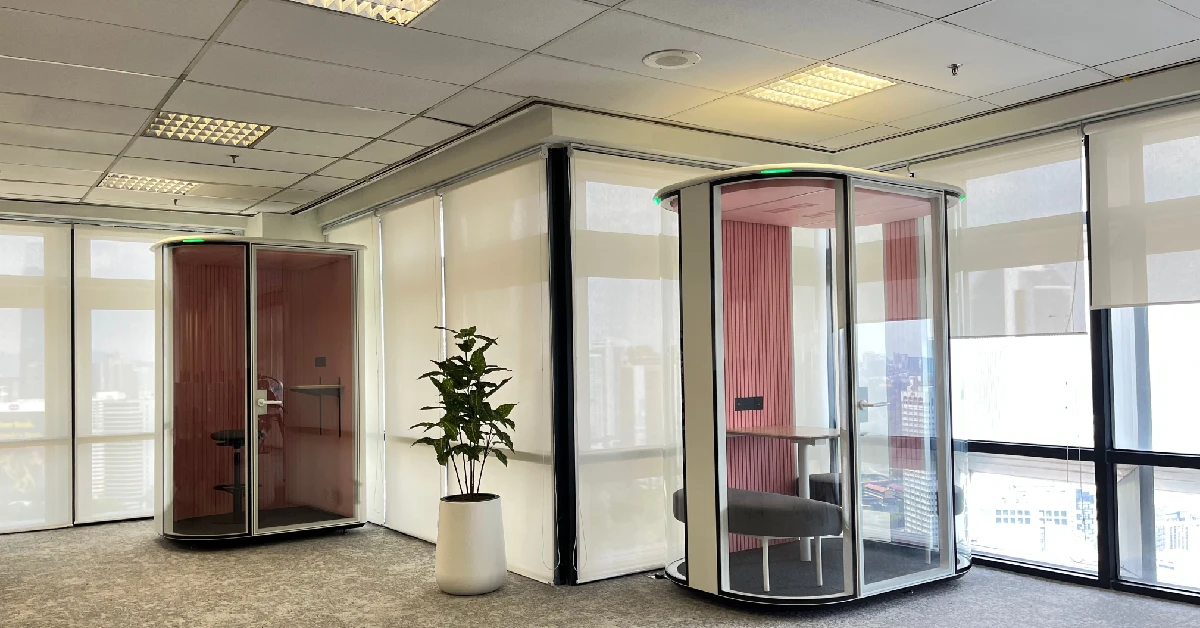
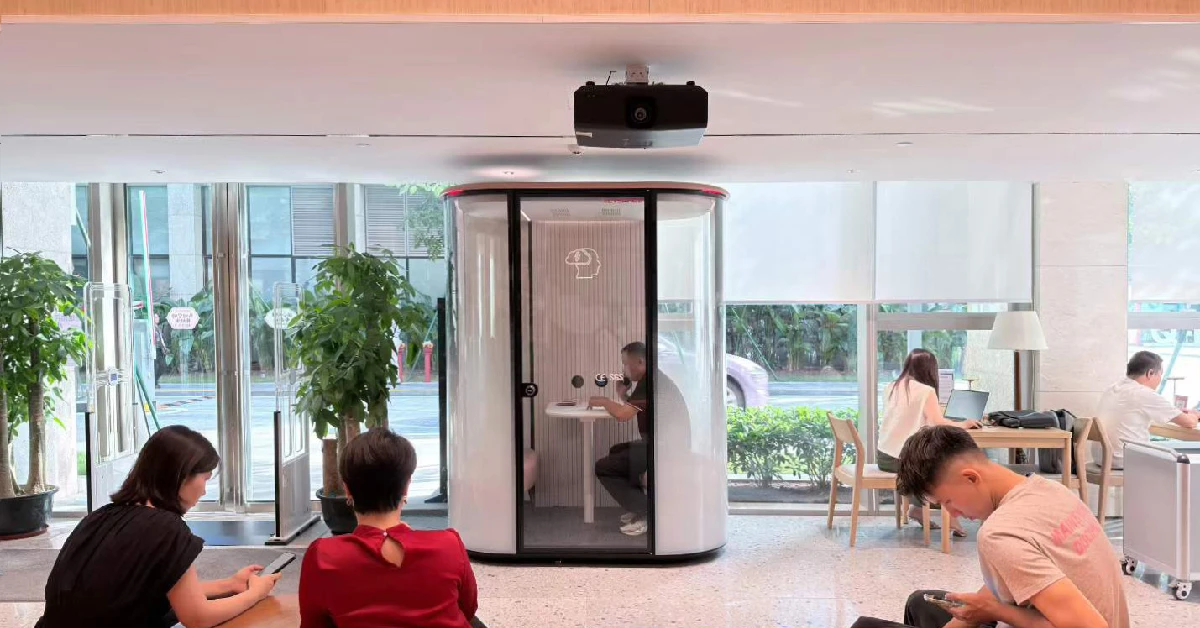
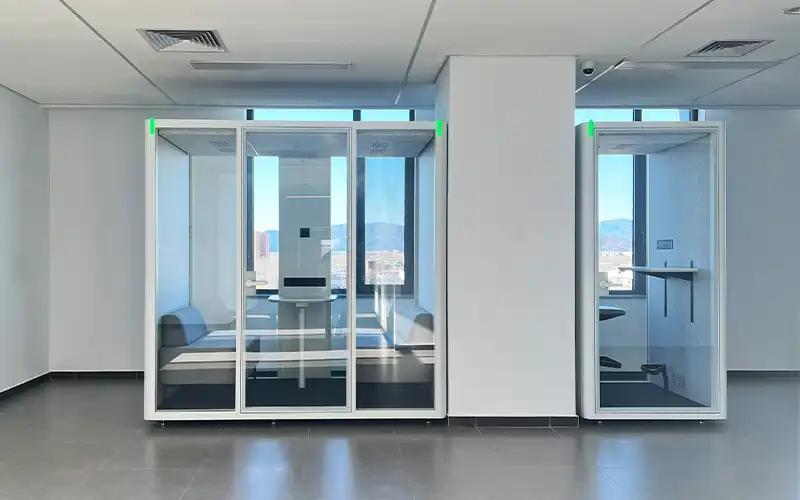
Office pods offer a practical response to these challenges. Unlike permanent construction, pods are freestanding units that can be installed within libraries, learning commons, faculty buildings, or student centers without altering the structure of the building.
Their key advantage lies in flexibility. Pods can be added, relocated, or reconfigured as campus needs evolve—making them ideal for institutions that must plan for long-term change while responding to short-term demands.
Because installation is fast and minimally disruptive, universities can introduce new functional spaces without closing areas for renovation or navigating lengthy approval processes.
Supporting Students in Multiple Learning Scenarios
On campus, office pods serve students in a variety of ways:
- Quiet Study and Focus Zones
Pods provide enclosed environments where students can concentrate without interruptions. This is particularly valuable during exam periods or for tasks that require sustained attention. - Online Classes and Virtual Presentations
With reliable acoustics and controlled lighting, pods allow students to attend online lectures, participate in discussions, or record presentations without background distractions. - Group Collaboration
Larger pod configurations support small group work, offering a balance between openness and sound control. This encourages collaboration without disturbing surrounding areas.
By accommodating different learning styles and activities, pods help campuses create inclusive environments that support academic success.
Enhancing Faculty and Staff Workspaces
Faculty members and administrative staff also benefit from office spaces. Private pods can be used for:
- One-on-one student advising
- Virtual meetings with external partners
- Focused research or writing sessions
- Confidential discussions
In shared office environments, pods reduce competition for meeting rooms and provide staff with greater autonomy over how and where they work.
Rethinking Campus Libraries and Learning Commons
Libraries have evolved from silent study halls into dynamic learning hubs. While collaboration is encouraged, students still need access to quiet zones. Office pods allow libraries to support both functions simultaneously.
Placed strategically within open areas, pods create micro-environments that balance interaction and concentration. This layered approach to space planning helps libraries remain relevant and responsive to diverse student needs.
Cost Efficiency and Long-Term Value
From a financial perspective, office pods offer clear advantages. Traditional renovations often require significant investment in construction, permits, and long-term planning. Pods, by contrast, represent a capital investment that retains value over time.
Because they are movable and reusable, pods can be redeployed as departments grow, programs change, or buildings are repurposed. This adaptability reduces the risk of underutilized space and supports more sustainable campus development.
Improving Wellbeing and Campus Experience
Beyond functionality, pods contribute to wellbeing. Access to quiet, private spaces can reduce stress, improve focus, and support mental health—an increasingly important consideration in higher education.
When students feel they have control over their environment, they are more likely to engage deeply with their work and remain on campus longer. For universities, this translates into higher satisfaction and stronger learning outcomes.
Preparing Campuses for the Future
As higher education continues to evolve, flexibility will remain a defining requirement. Office pods align with this reality by offering scalable, future-ready solutions that adapt alongside institutional needs.
Rather than redesigning entire buildings, campuses can incrementally improve space performance—responding to new teaching models, technologies, and student expectations as they emerge.
Conclusion: Smarter Space for Smarter Learning
Universities are complex ecosystems where learning, collaboration, and innovation intersect. Office pods provide a strategic way to enhance these environments without sacrificing flexibility or long-term value.
By integrating adaptable, acoustically controlled spaces into existing campuses, higher education institutions can better support students, faculty, and staff—today and in the years to come.