
What Are Acoustic Glass Partitions?
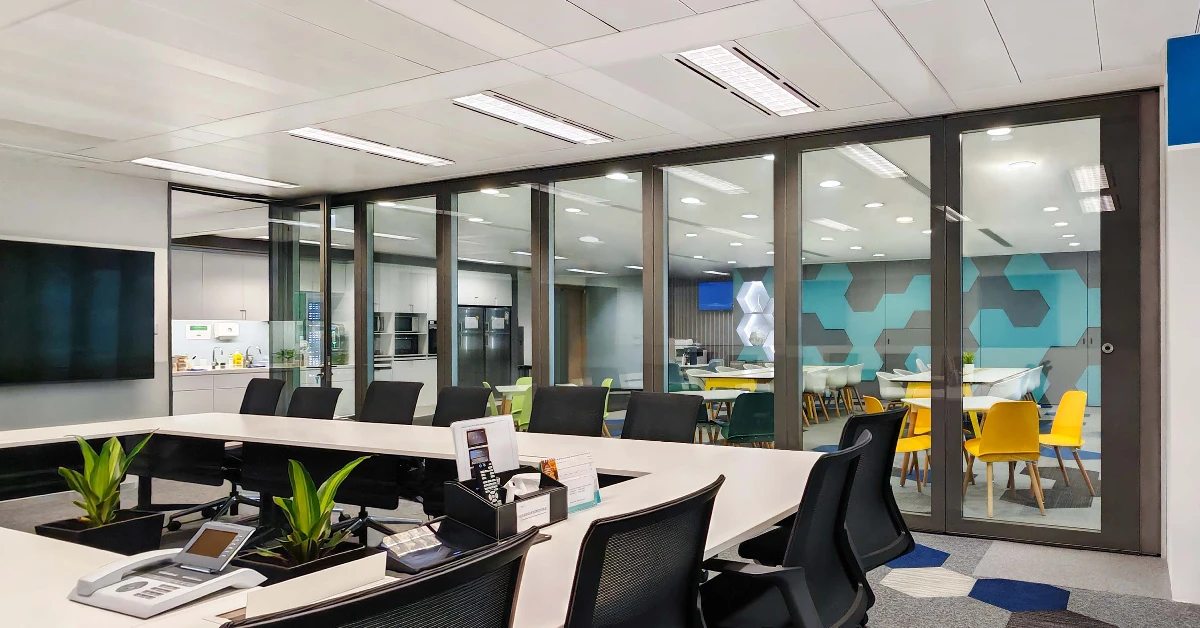
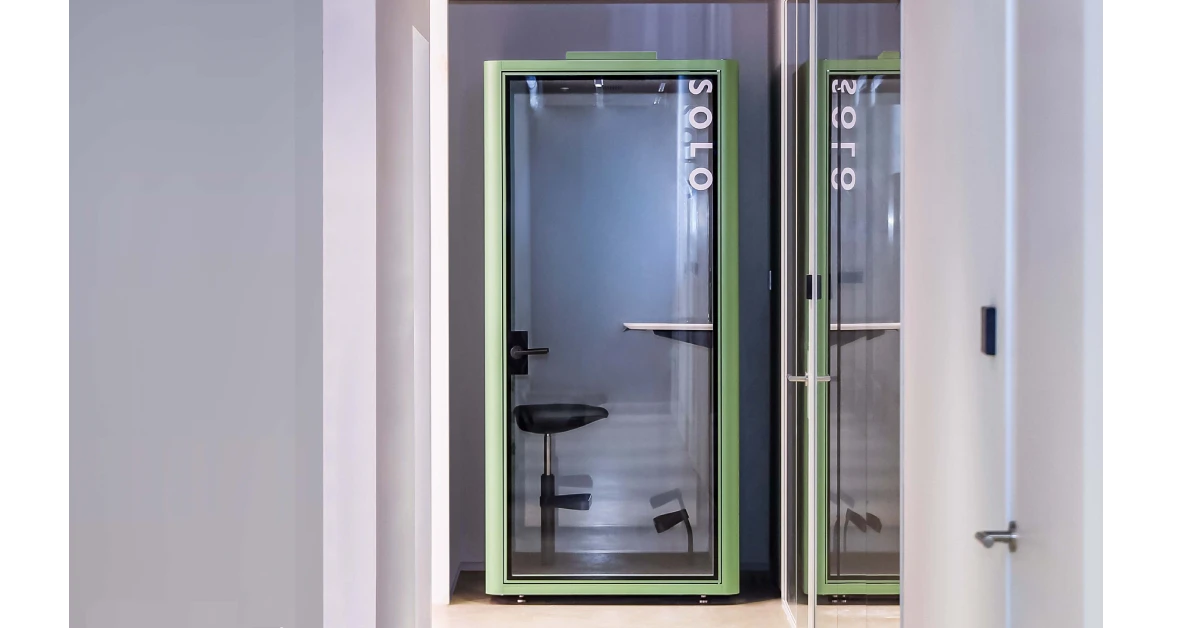
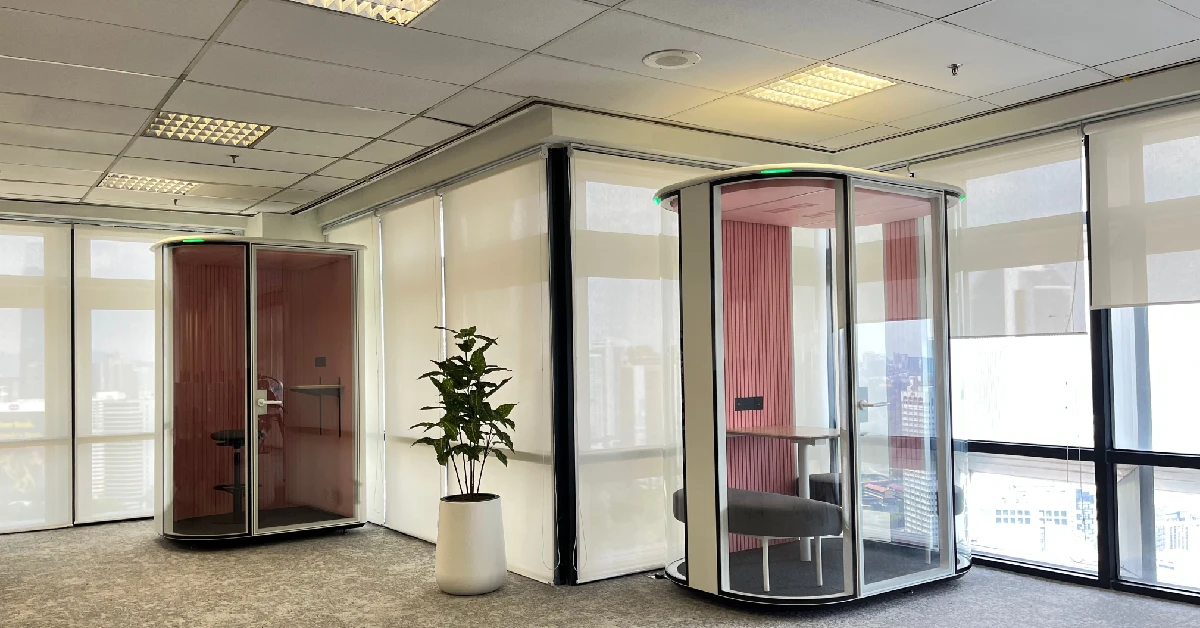
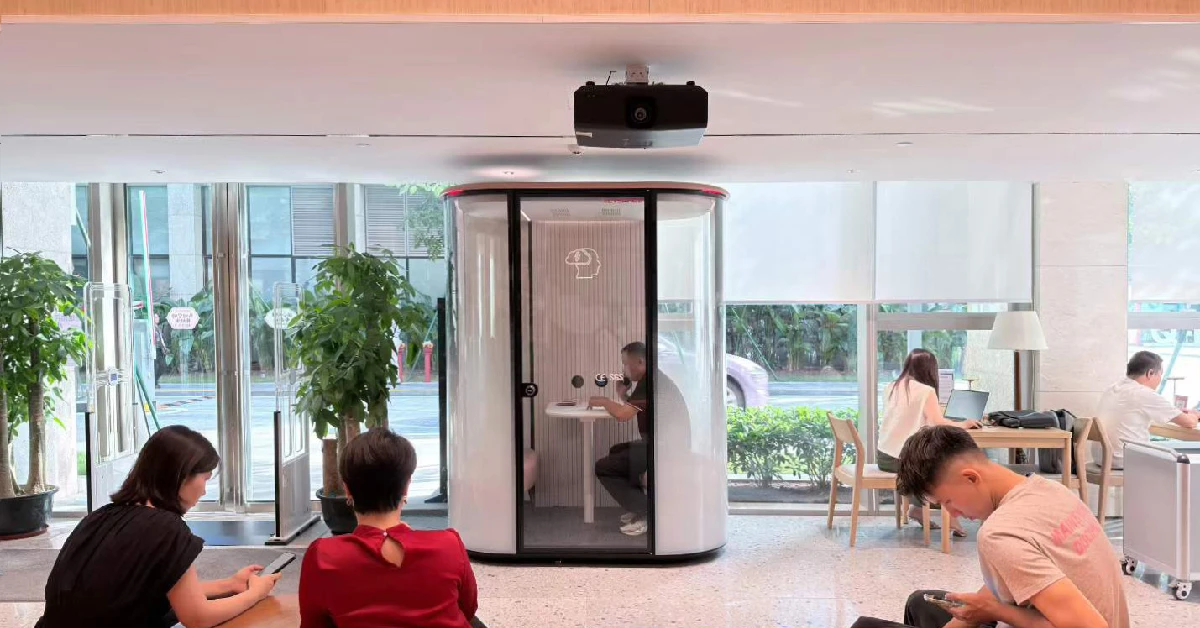
Acoustic glass partitions are transparent wall systems designed not just to divide space, but to control how sound moves within and between those spaces. They are especially useful in offices, coworking areas, and meeting rooms where people rely on open environments — but also need moments of calm, focus, or private conversation.
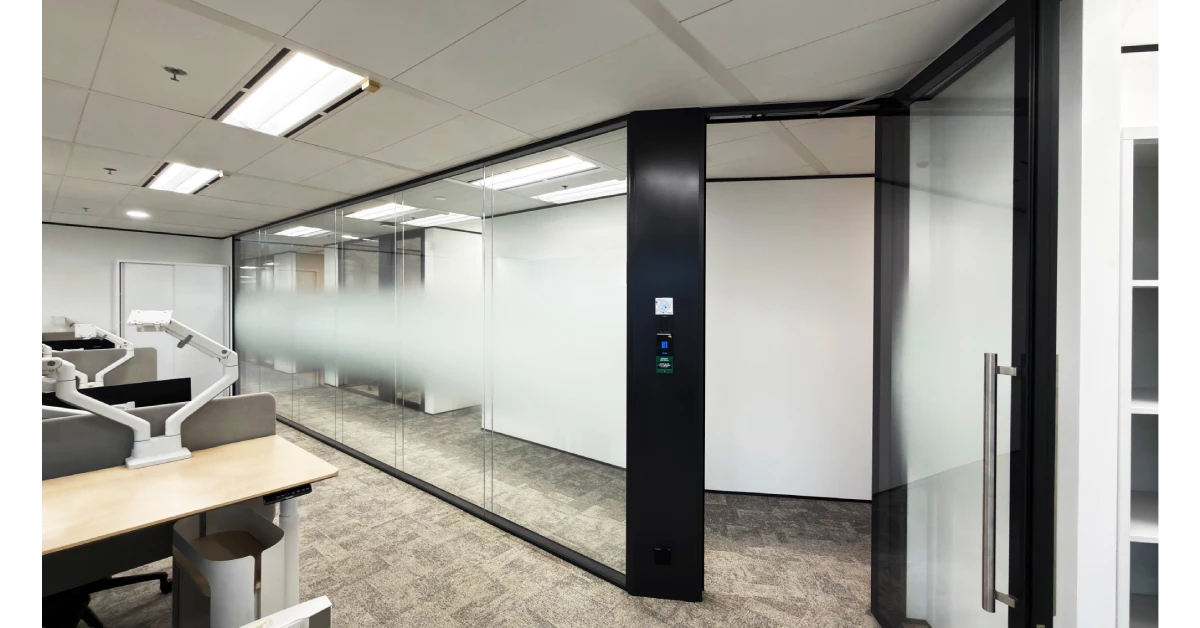
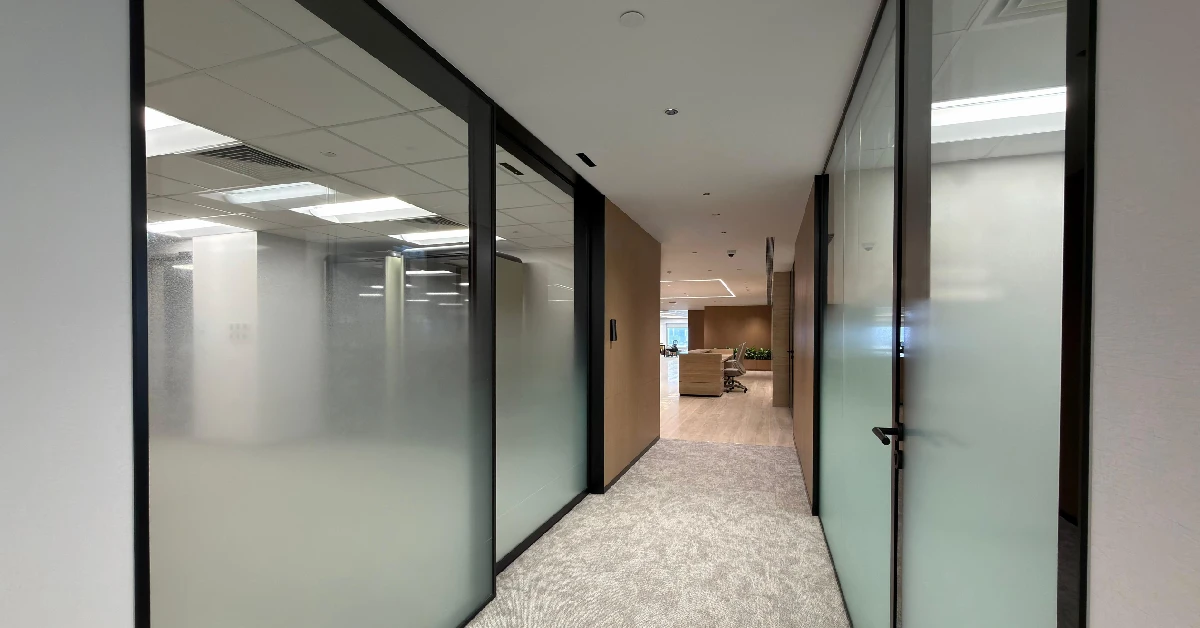
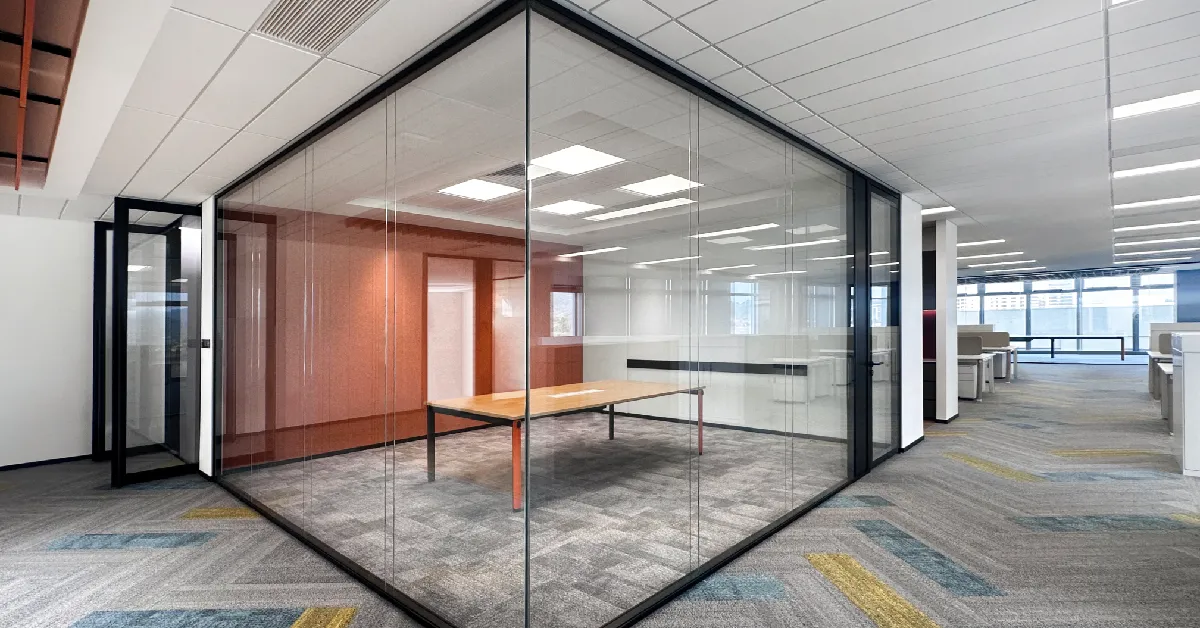
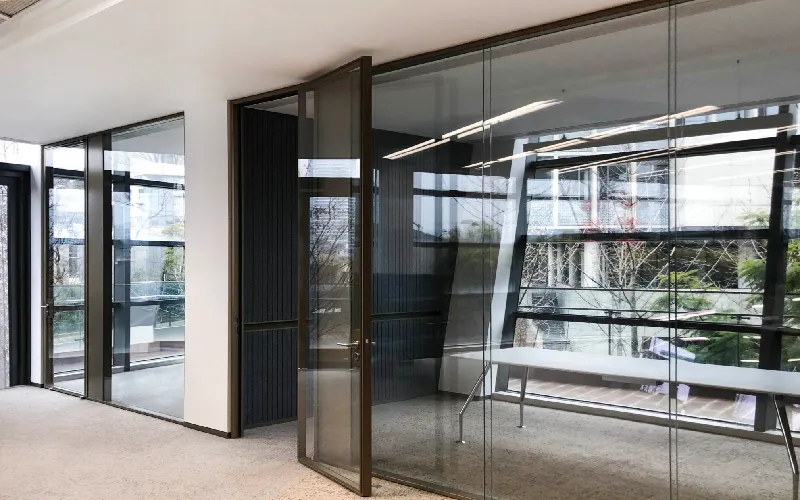
At first glance, they look like ordinary glass walls — but the engineering behind them helps manage noise transmission in ways a standard glass panel cannot. These partitions blend visual openness with acoustic performance, allowing sound to be managed without compromising aesthetics or natural light.
Why Sound Control Matters
In modern workspaces, noise is more than just an annoyance. Conversations, phone rings, keyboards, and ambient chatter all compete for attention. When these sounds travel unobstructed, they can distract workers, reduce productivity, and erode privacy. Acoustic partitions offer a solution by reducing the amount of sound that travels from one area to another, helping support focus, comfort, and confidentiality.
For clients and designers alike, understanding how glass can do more than just “look nice” — and actually contribute to a quieter, more usable space — is increasingly important in contemporary design.
How Sound Travels: Basics You Should Know
Before we talk numbers, it helps to have a basic understanding of sound behavior.
Sound is created by vibrations that travel through a medium like air or solid materials. When an object vibrates, it sends waves outward. Your ears interpret these waves as sound. Because sound has both intensity and frequency, describing or measuring it requires more than a simple linear scale.
That’s why we use the decibel (dB) scale — a logarithmic measurement that can capture both subtle and loud sounds in a manageable range. For example, a whisper might be around 30 dB, while noisy street traffic can be above 70 dB. Humans perceive about a 10 dB increase as roughly twice as loud — even though the actual physical increase in sound energy is much greater.
In spaces with glass partitions, understanding decibel levels helps designers and users set realistic expectations for how much noise will be reduced.
Sound Transmission Class: The Standard Metric
While decibels describe sound intensity, the Sound Transmission Class (STC) measures how well a material blocks that sound. Think of STC as the “blockage rating” for sound: higher numbers mean more effective reduction of noise traveling through a surface.
For example:
An STC rating of 35 means that a partition can reduce a significant amount of everyday office noise.
A rating of 50 or higher is typical for spaces requiring high privacy — such as confidential meeting rooms.
It’s key to know that STC isn’t a perfect one-to-one with dB reduction. An STC 50 partition doesn’t literally drop every noise by 50 dB — rather, it performs similarly across a range of frequencies that matter in everyday speech and general noise. Also, small changes in STC (like 1 or 2 points) aren’t usually noticeable to human ears.
What Makes Acoustic Glass Perform Well?
An acoustic glass partition isn’t just about the glass itself — it’s a system.
Key elements include:
- Glass Thickness and Composition
Thicker or laminated glass panes tend to perform better at reducing sound transmission because they offer more mass and complexity that disrupt sound waves.
- Seals and Framing
Air leaks around edges or doors can significantly weaken a partition’s performance. Quality seals and precision framing help maintain the rated STC performance.
- Installation Quality
Even the best panels won’t perform as expected if gaps are left between the glass and adjacent building elements. Proper installation is essential to match lab-rated performance with real-world application.
Glass partitions deliver sound isolation by reducing airborne noise transfer between spaces. But they aren’t perfect sound absorbers — reflective surfaces like glass still bounce some sound back into a room, influencing echoes and reverberation if not paired with other acoustic treatments like absorptive wall or ceiling materials.
Benefits of Acoustic Glass Partitions
1. Enhanced Speech Privacy
Whether it’s a one-on-one review or a confidential phone call, partitions improve acoustic comfort without closing off visibility.
2. Open Feel With Noise Control
Unlike solid walls that block light, glass partitions allow daylight to pass while still managing sound — helping offices feel bright and open.
3. Flexible and Adaptable
Many acoustic glass systems are modular, meaning they can be reconfigured or relocated as workplace needs evolve, making them a future-friendly choice.
4. Supports Well-Being and Productivity
Less noise means fewer distractions, which can lead to higher focus and lower stress — factors that benefit both individuals and teams.
Practical Considerations When Designing With Glass
While performance is important, you should balance it with practical concerns:
- Door performance matters: Even small gaps in doors or poorly sealed frames can reduce overall acoustic effectiveness.
- Real-world factors differ from lab numbers: Materials around the partition — like ceilings, floors and nearby walls — all influence how sound travels in a space.
- Expectations vs. reality: Acoustic glass excels at reducing sound transmission, but it doesn’t eliminate sound entirely — especially low-frequency noise or vibration.
Understanding these nuances helps set realistic goals and choose the right materials for specific projects.
Final Thought
Acoustic glass partitions are more than stylish design elements — they’re effective acoustic tools when chosen and installed with purpose. By balancing transparency, aesthetics, and performance, these systems create flexible environments that support privacy, productivity, and wellbeing in every modern workspace.