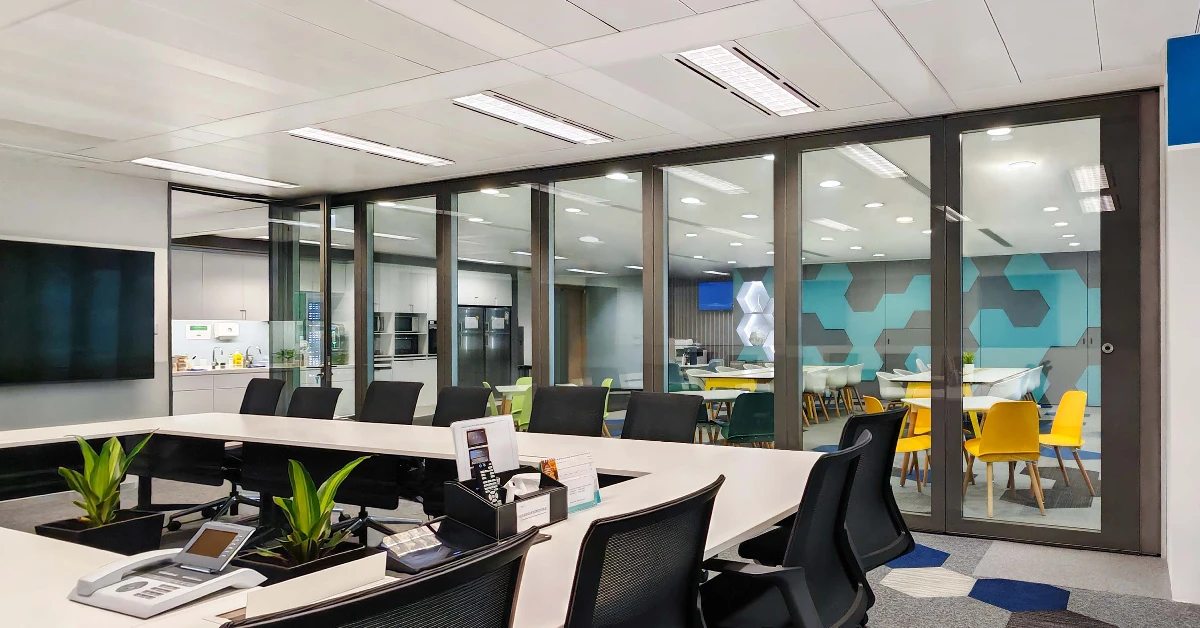

Glass walls are a hallmark of contemporary interior design — they make spaces feel open and bright. But when it comes to sound quality, transparent partitions introduce unique acoustic considerations. In this blog, we’ll break down how glass walls influence noise, why acoustics matter, and how you can optimize sound performance without sacrificing visual style.
Why Sound Matters in Today’s Workplaces
In busy offices, hotels, or creative studios, acoustics play a vital role in comfort and productivity. Excessive noise can cause stress, reduce concentration, and make interactions — especially meetings and calls — harder to manage. Good acoustic design helps create a calm, focused environment where people can communicate clearly and work effectively.
Understanding Glass Partition Walls
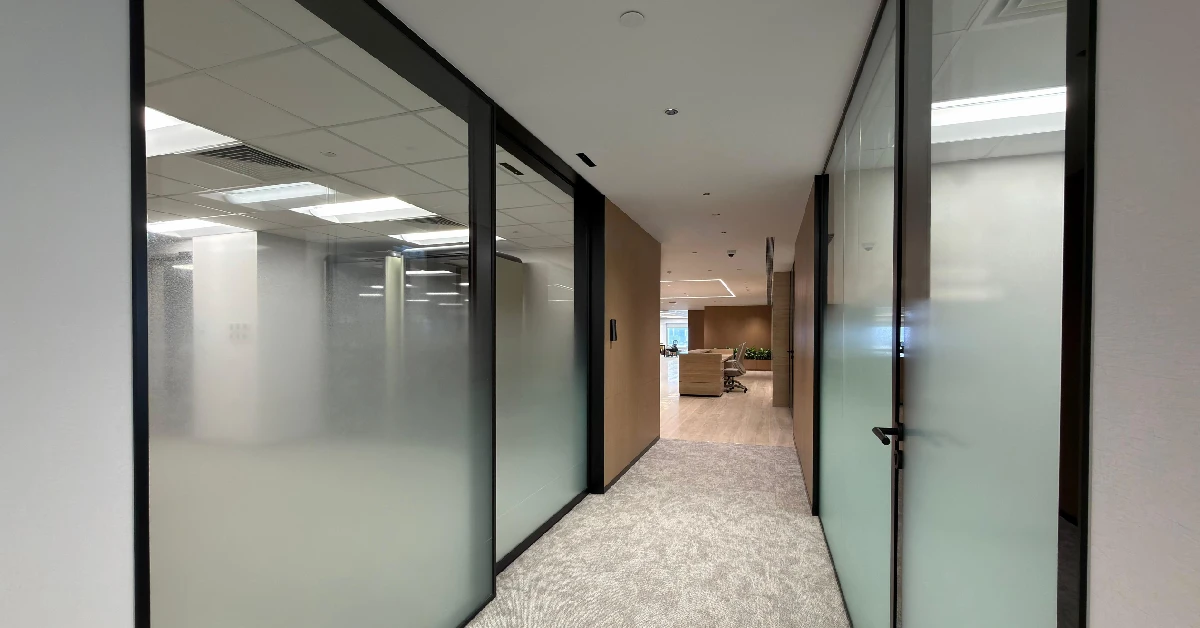
Glass partitions are prized for their sleek look and ability to let light travel throughout a space. These systems support visual connectivity between teams while still defining functional areas like meeting rooms or private offices.
Among the most fundamental decisions when specifying glass partitions is choosing between single-glazed and double-glazed configurations—a choice that significantly impacts acoustic performance, thermal insulation, and overall spatial experience.
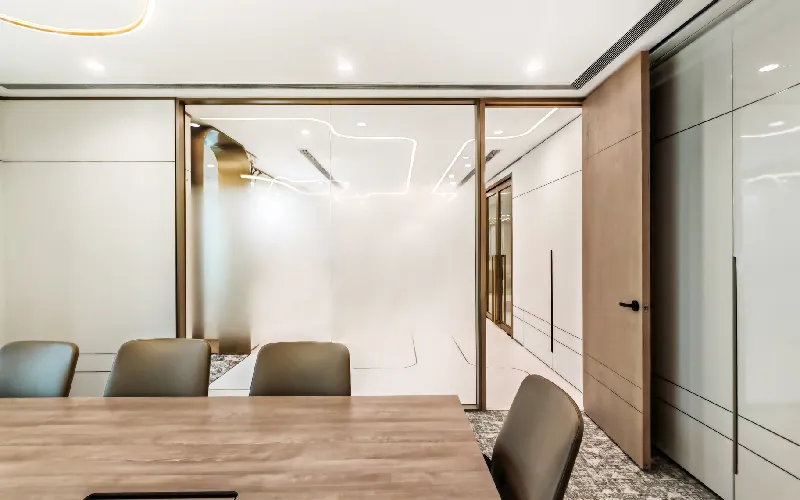
Single-Glazed Glass Partitions
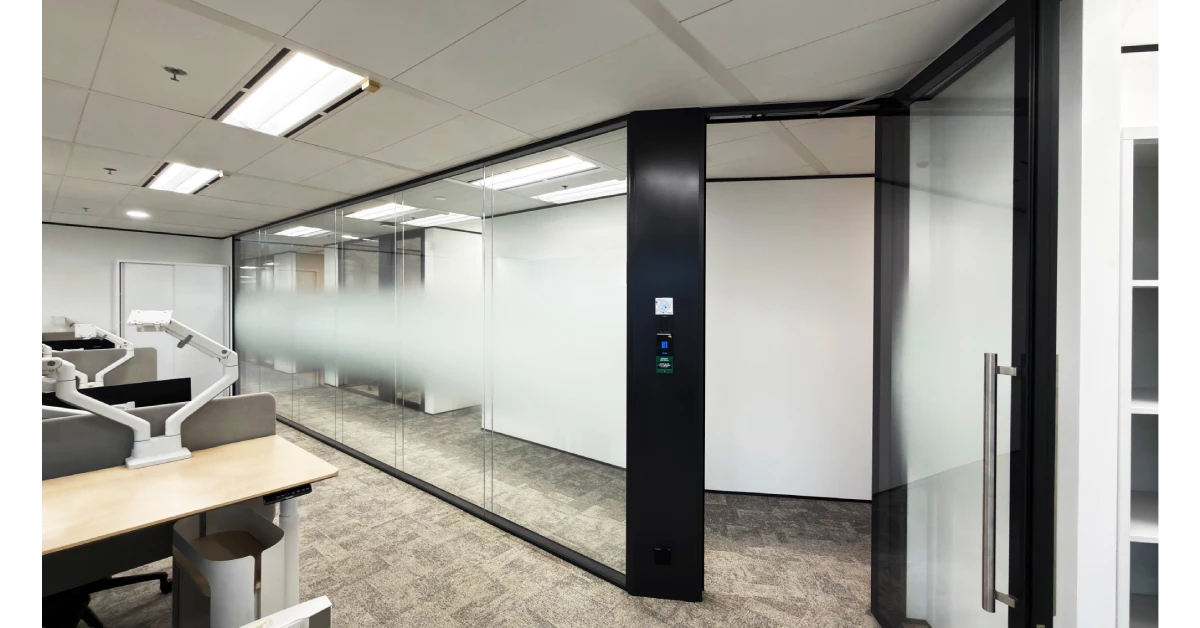
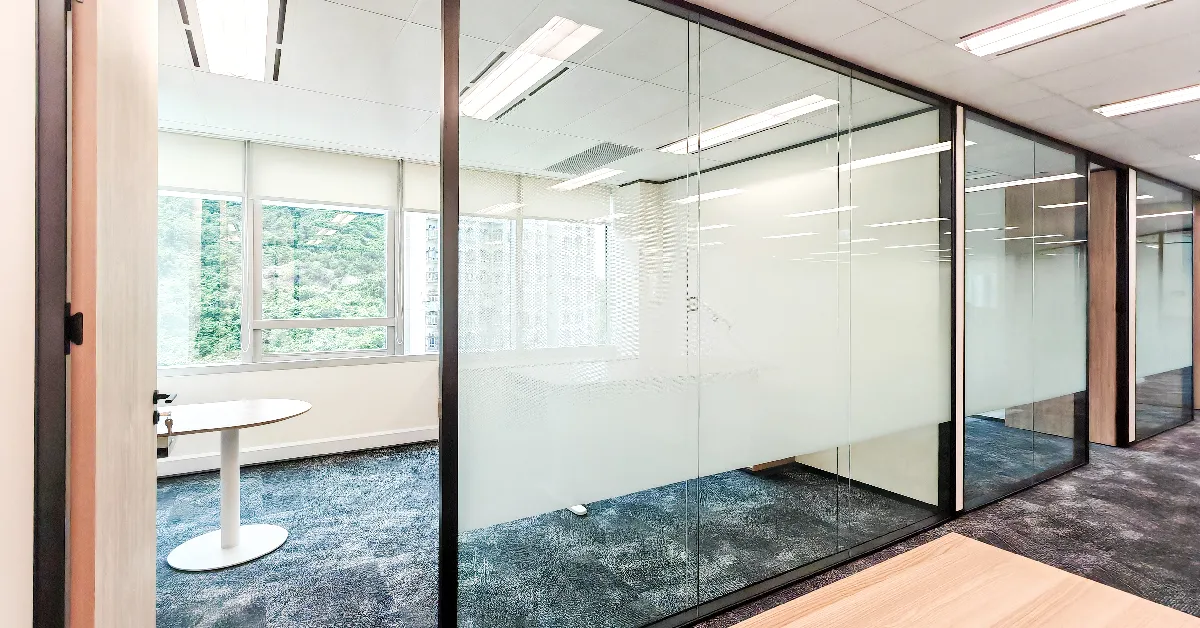
Single-glazed partitions consist of a single layer of glass. These systems represent the most common and economical solution for interior office applications where moderate acoustic separation suffices.
The primary advantage of single glazing lies in its visual purity and minimal footprint. With only one glass layer, sightlines remain completely unobstructed, and the partition's physical presence feels almost negligible—an important consideration in tight spaces or designs extreme transparency. Single-glazed systems also require simpler framing details and lighter structural support, reducing installation complexity and cost.
For open-plan areas, casual meeting rooms, or zones where some sound transmission is acceptable, single glazing provides an excellent balance of transparency and functionality.
Double-Glazed Glass Partitions
Double-glazed partitions incorporate two separate glass panes separated by an air space. The complete assembly—glass + air gap + glass—functions as an integrated acoustic and thermal barrier significantly more effective than single glazing.
The air gap between panes serves as the critical performance enhancer. Sound waves striking the first glass pane cause it to vibrate, but this vibration must then cross the air cavity before reaching the second pane. The air space acts as a cushion, dissipating acoustic energy and disrupting transmission paths. For maximum effectiveness, some manufacturers specify different thicknesses for each glass pane, as mismatched panes vibrate at different frequencies, further confusing sound transmission.
Balancing Design and Sound
Glass partitions are more than simple dividers — they set the tone for how a space feels and functions. When well-designed, they can preserve openness and daylight while still providing quiet zones for focused work. The trick lies in combining smart material choices with well-thought-out acoustic strategies that address both the physics of sound and the psychology of spatial experience.
Achieving this balance begins with recognizing that transparency and tranquility are not mutually exclusive. Too often, designers approach acoustics as an afterthought—selecting beautiful glass systems first, then attempting to retrofit sound control through add-on treatments. The most successful projects integrate acoustic planning from the earliest conceptual stages, treating sound performance as a fundamental design parameter alongside aesthetics and functionality.
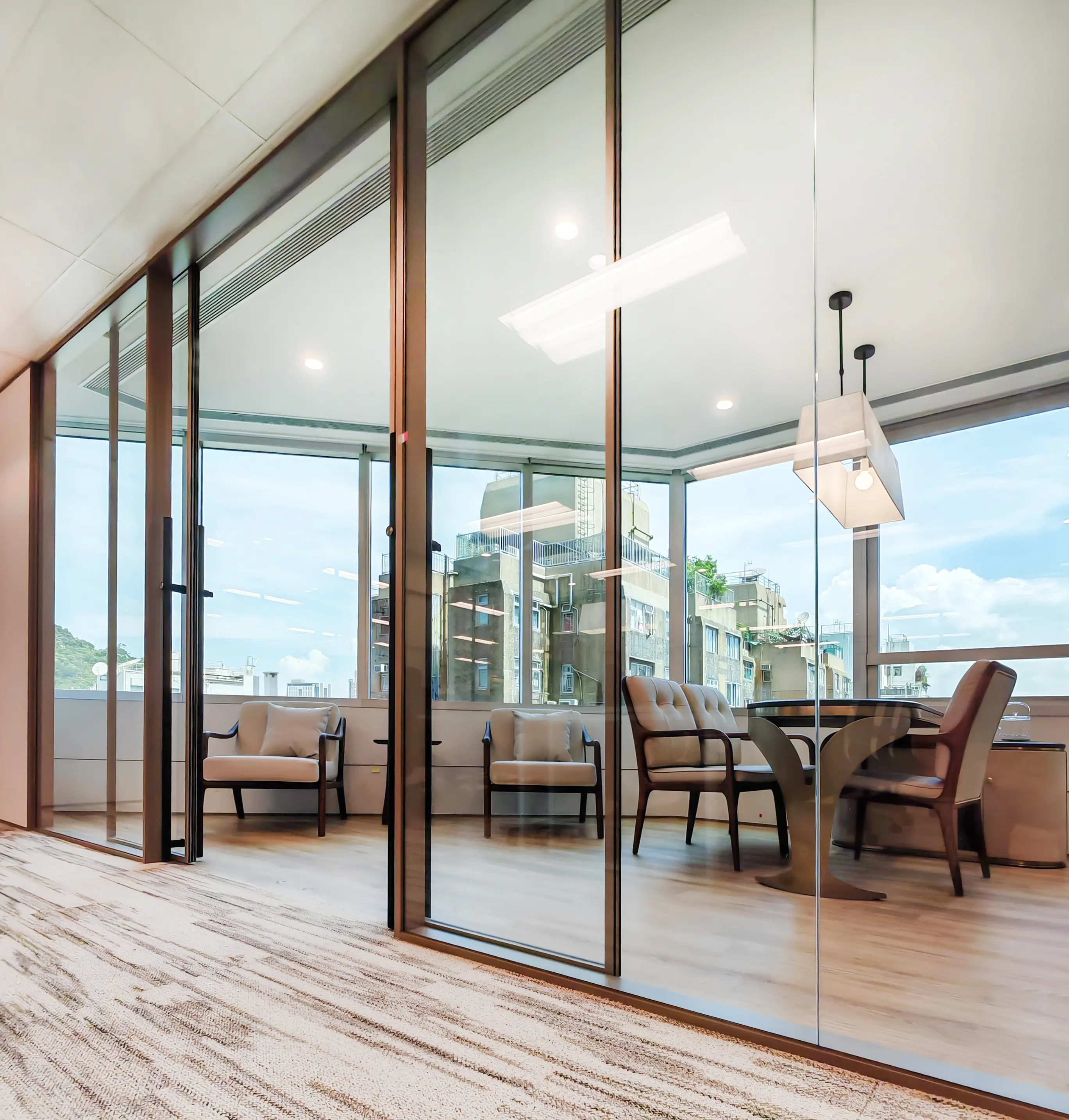
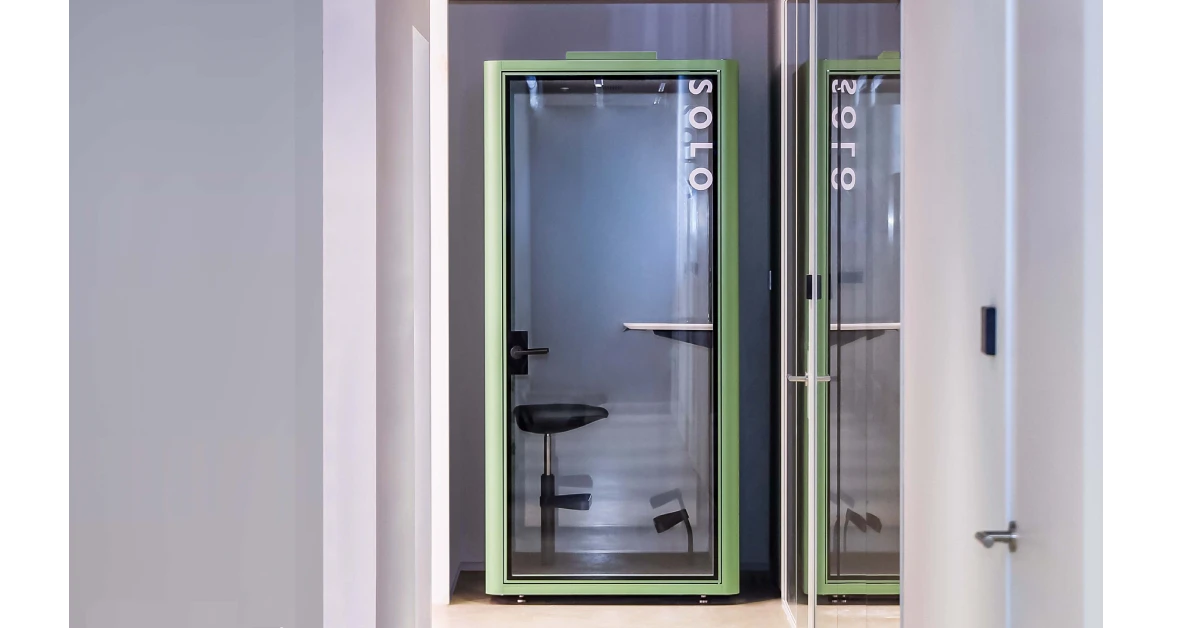
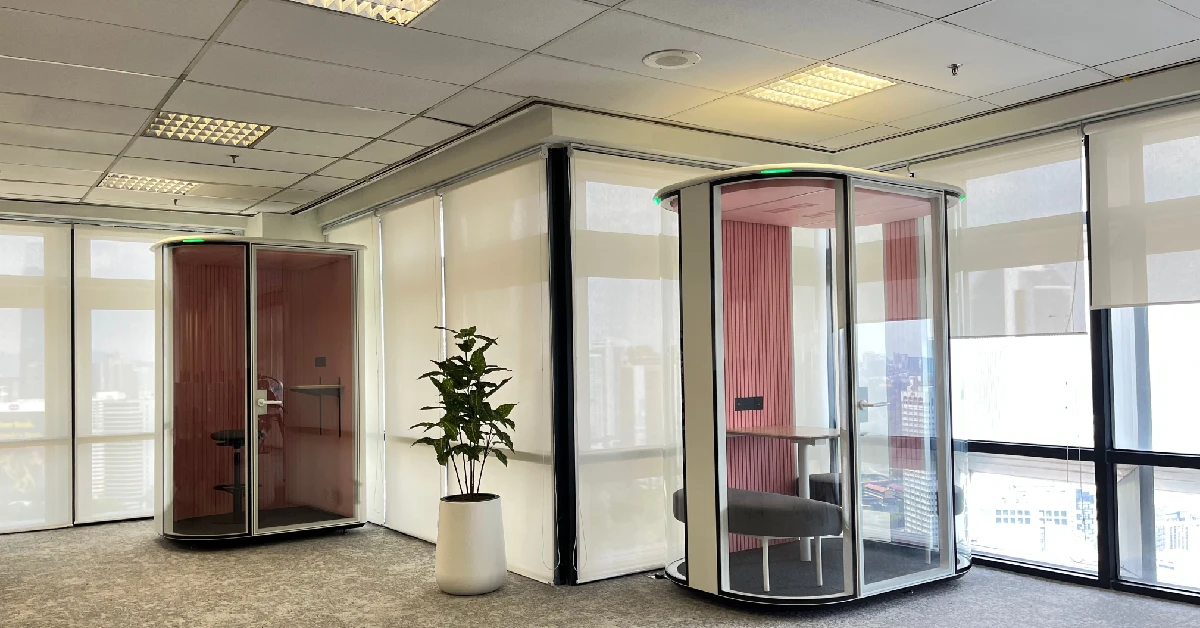
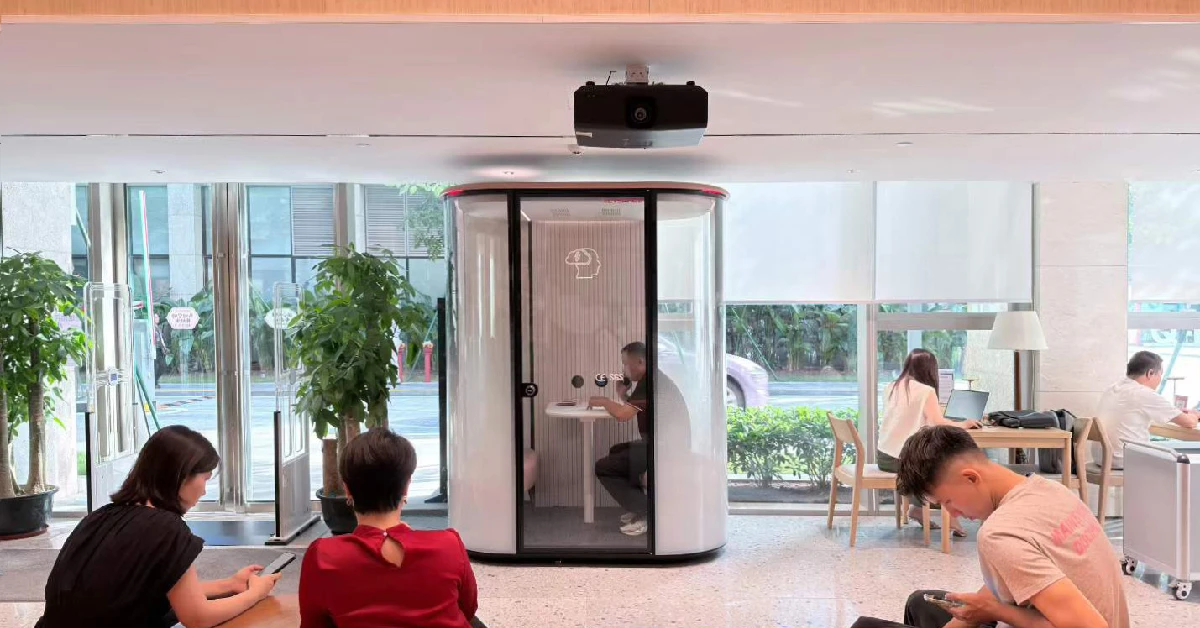
The human element deserves equal consideration. Acoustic comfort ultimately serves people—their ability to concentrate without distraction, to converse without strain, to feel neither isolated nor overwhelmed. Well-balanced spaces acknowledge that different activities require different acoustic conditions. A glass-enclosed phone booth needs different performance characteristics than a transparent team room, yet both can coexist within cohesive design language.
When design and acoustics harmonize, the results transform workplace experience. Employees enjoy visual connection to colleagues and daylight without suffering noise intrusion. Meeting spaces feel appropriately private without becoming claustrophobic. The office functions as an integrated ecosystem where sight and sound support rather than compete with each other—proof that thoughtful design need not compromise on either dimension.
Conclusion: The Future of Work is Both Open and Quiet
The idea that you must choose between a light-filled, open office and a quiet, private one is a false dichotomy. By understanding the principles of acoustic design as they apply to glass partition walls, it is entirely possible to have both.
The key lies in moving beyond treating glass as a simple visual element and recognizing it as a critical component of the building's acoustic envelope. By carefully selecting the right glazing type, ensuring a robust and sealed framing system, and complementing the glass with sound-absorbing materials within the space, you can create a workplace that is vibrant, connected, and conducive to deep focus. The modern office doesn't have to be noisy; it just needs to be designed with sound in mind.