
In today’s workplace, space is one of the most valuable—and often overlooked—assets. While companies invest heavily in office design, many still have underutilized areas that quietly go to waste.
From empty corners to awkward layouts, these overlooked spaces may seem insignificant. But with the right approach, they can be transformed into highly functional zones that support productivity, privacy, and flexibility.
Instead of expanding or relocating, forward-thinking organizations are now focusing on making better use of the space they already have—and seeing immediate results.
Why Wasted Space Is More Common Than You Think
Unused space exists in almost every workplace. It often shows up in:
- Corners that are too small for traditional furniture
- Areas near hallways or entrances
- Gaps between departments or workstations
- Open areas without a defined function
These spaces are usually the result of outdated layouts designed for a different way of working. As hybrid work, video calls, and flexible schedules become the norm, traditional office setups no longer fully support daily needs.
The result? Space that costs money—but delivers no value.
Smart Ways to Transform Unused Areas
The good news? You don’t need major renovations to unlock the value of your space. Small, strategic changes can make a big difference.
1. Define the Purpose First
Start by identifying what your workplace is missing. Common needs include:
- Quiet areas for focused work
- Private spaces for calls or meetings
- Flexible zones for quick collaboration
When a space has a clear purpose, it becomes instantly more valuable.
2. Use Modular and Flexible Solutions
Instead of permanent construction, consider modular solutions that can adapt over time.
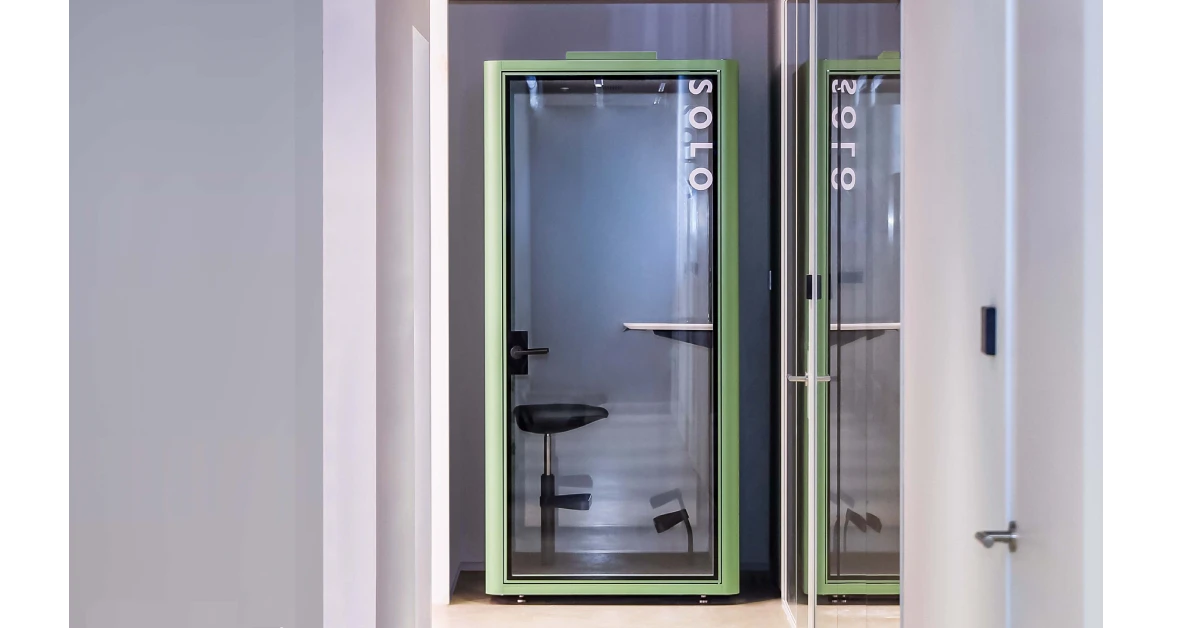
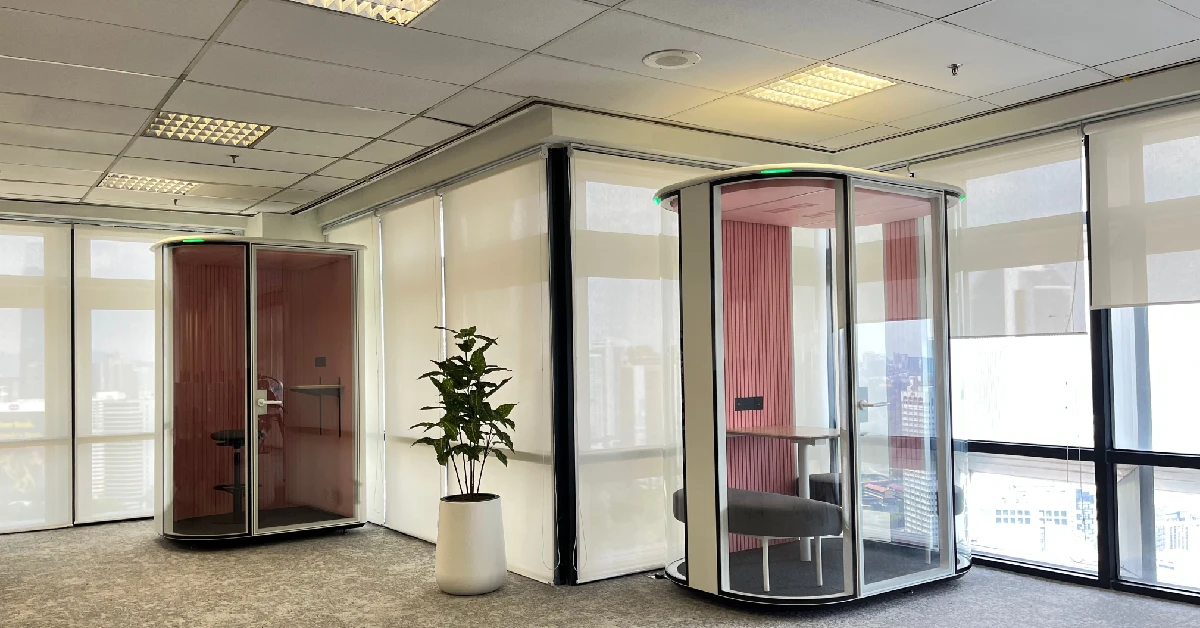
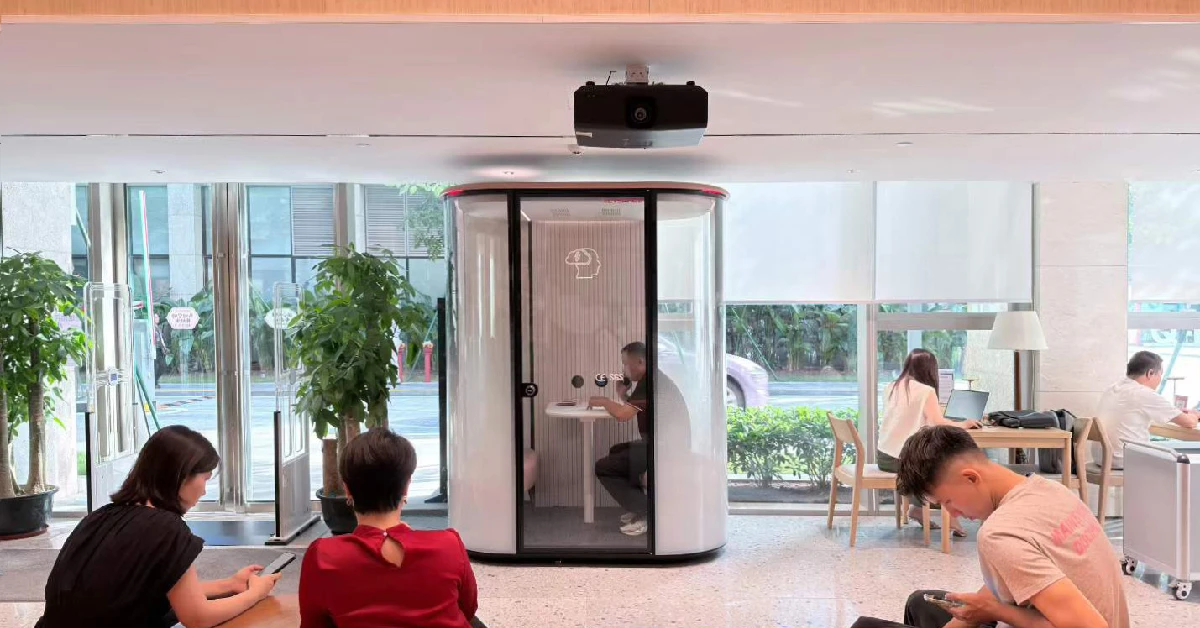
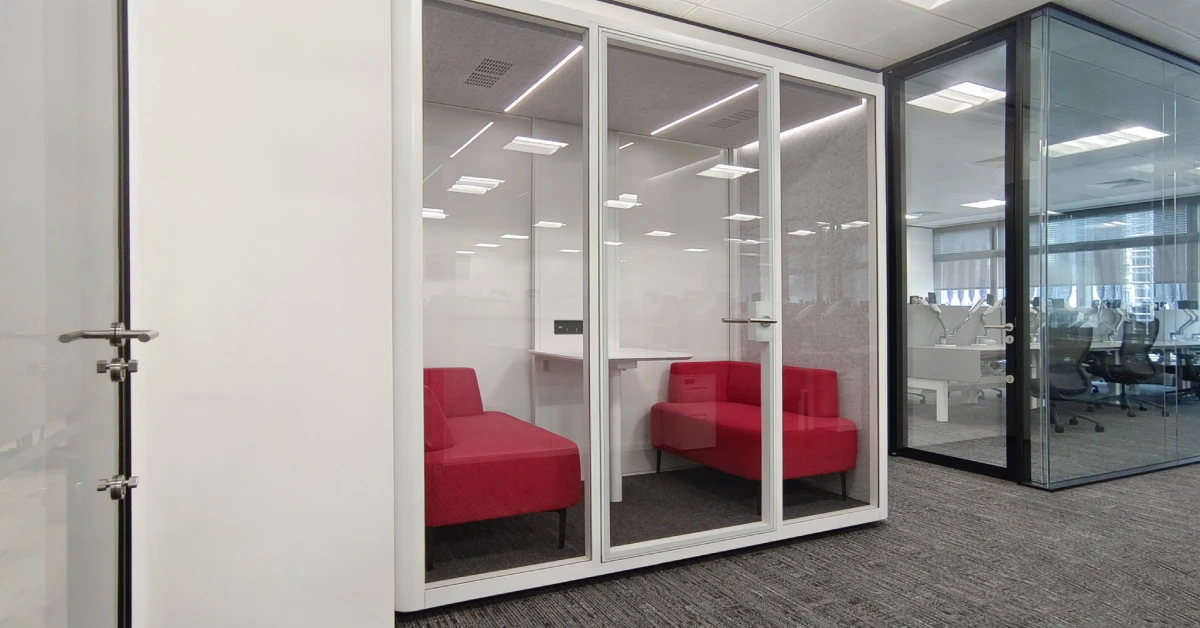
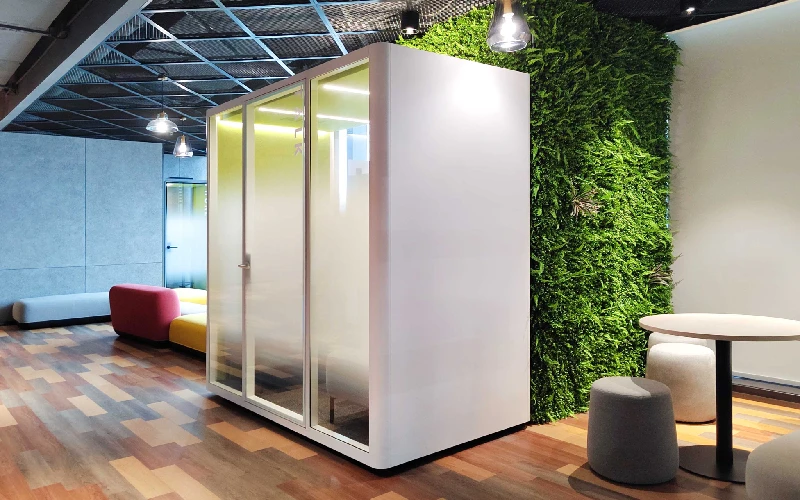
For example, office pods or acoustic booths can be easily placed in unused areas without disrupting the existing layout. They require minimal installation and can be relocated as needed.
This flexibility allows your workspace to evolve with your business.
3. Think Multi-Function
The most effective spaces serve more than one purpose.
A single pod, for instance, can be used for:
- Video calls
- Focus work
- Private meetings
This maximizes usability without taking up additional space.
4. Improve Acoustics and Comfort
Even small areas can become highly effective if they are comfortable and quiet.
Simple upgrades like sound insulation, proper lighting, and ventilation can dramatically improve usability—especially in open offices where noise is a constant challenge.
High-Impact Ways to Use Repurposed Space
Repurposing unused space isn’t just about filling gaps—it’s about creating environments that actively support how people work today. With the right approach, even limited areas can deliver real value, improving both productivity and overall workplace experience.
1. Create Functional Zones That Add Value
Once you start rethinking your workspace, even the smallest areas can be transformed into practical zones. Unused corners can become focus pods for deep work, private booths for calls, or compact meeting spaces for quick discussions—helping improve productivity without taking up large rooms.
2. Work Across Different Industries
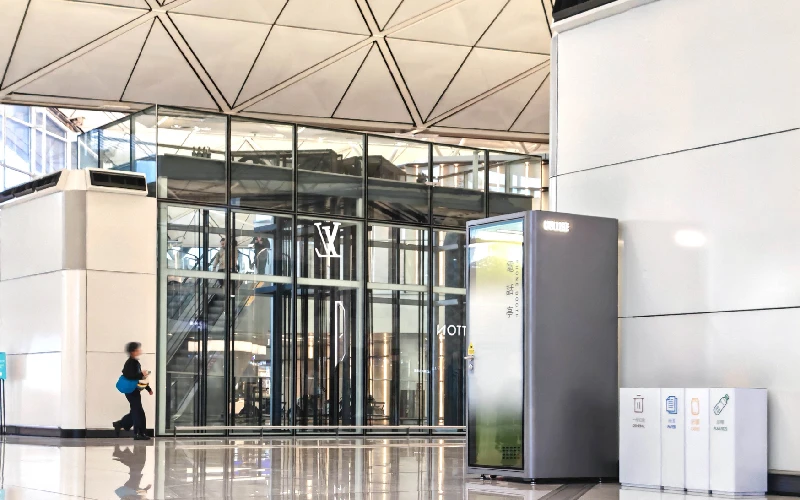
These solutions are not limited to offices. In corporate environments, they support hybrid work and flexible collaboration. In education, they can turn open areas into quiet study zones. In healthcare, they provide privacy for consultations or administrative tasks. No matter the setting, the goal is the same: make better use of existing space.
3. Support Sustainability and Efficiency
Repurposing space reduces the need for expansion, lowering costs while minimizing material use and waste. It’s a practical way to improve efficiency while also supporting sustainability goals.
4. Stay Flexible for the Future
Workplace needs are constantly changing, which makes flexibility essential. Modular solutions like pods allow spaces to be easily adjusted or relocated, helping businesses adapt quickly without major redesigns.
Conclusion: Unlock the Value Within Your Existing Space
Unused space isn’t a problem—it’s an opportunity.
With the right strategy, even the smallest or most overlooked areas can become powerful tools for productivity, privacy, and employee satisfaction.
Before investing in more space, take a closer look at the space you already have.
You might find that everything you need is already there—just waiting to be unlocked.