
The modern workplace is evolving rapidly. Organizations are no longer focused solely on productivity; they are increasingly recognizing the importance of employee well-being and mental health. Workplace design plays a major role in shaping how people feel, focus, and collaborate throughout the day.
This article explores how smart office zoning, flexible environments, and private spaces can create healthier and more productive workplaces.
Why Workplace Design Matters for Mental Health
For many professionals, the workday is fast-paced and demanding. Long hours, constant communication, and digital overload can lead to fatigue and stress.
Studies show that a large percentage of employees experience work-related stress and daytime fatigue, which can reduce productivity and cognitive performance. Fatigue affects attention, memory, and decision-making, making it harder for employees to perform at their best.
The physical environment can either intensify these problems or help relieve them.
Elements such as lighting, air quality, noise levels, and workspace layout directly influence employee comfort and mental well-being. For example, better ventilation and air quality have been linked to measurable productivity improvements, while natural daylight significantly reduces symptoms like eye strain and headaches.
In short, a well-designed workplace can actively support both performance and mental health.
What Is an Activity-Based Workplace?
An activity-based workplace is built around a simple idea: different tasks require different environments.
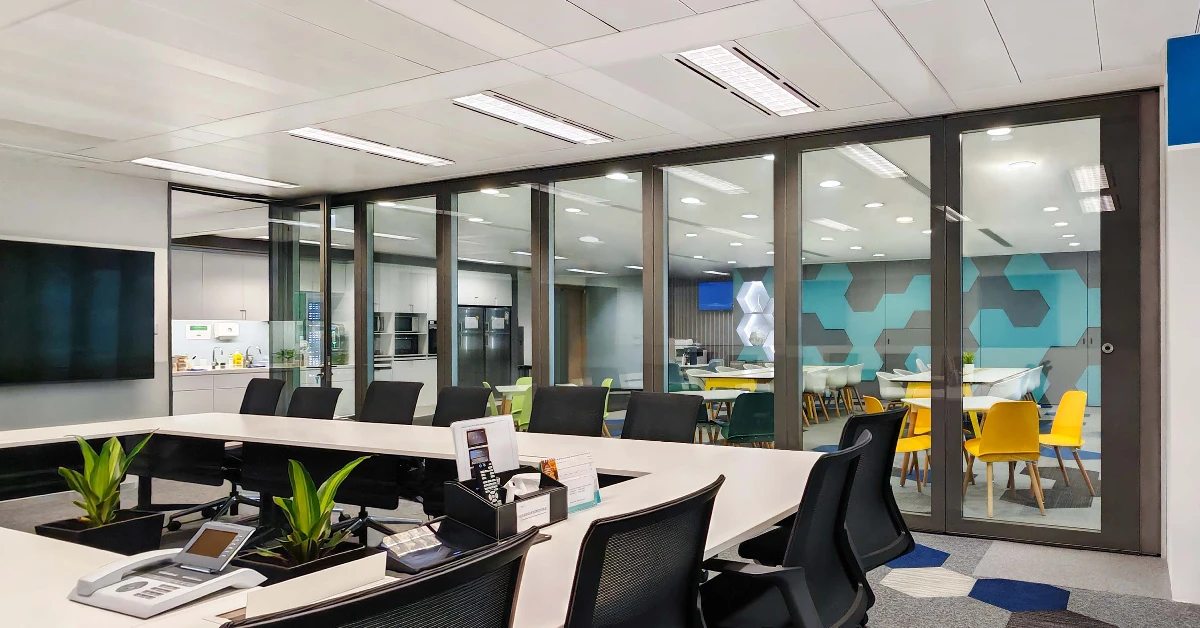
Instead of working from one fixed desk all day, employees can move between various spaces depending on their activity. These spaces typically include:
- Quiet focus areas
- Collaboration zone
- Informal meeting spaces
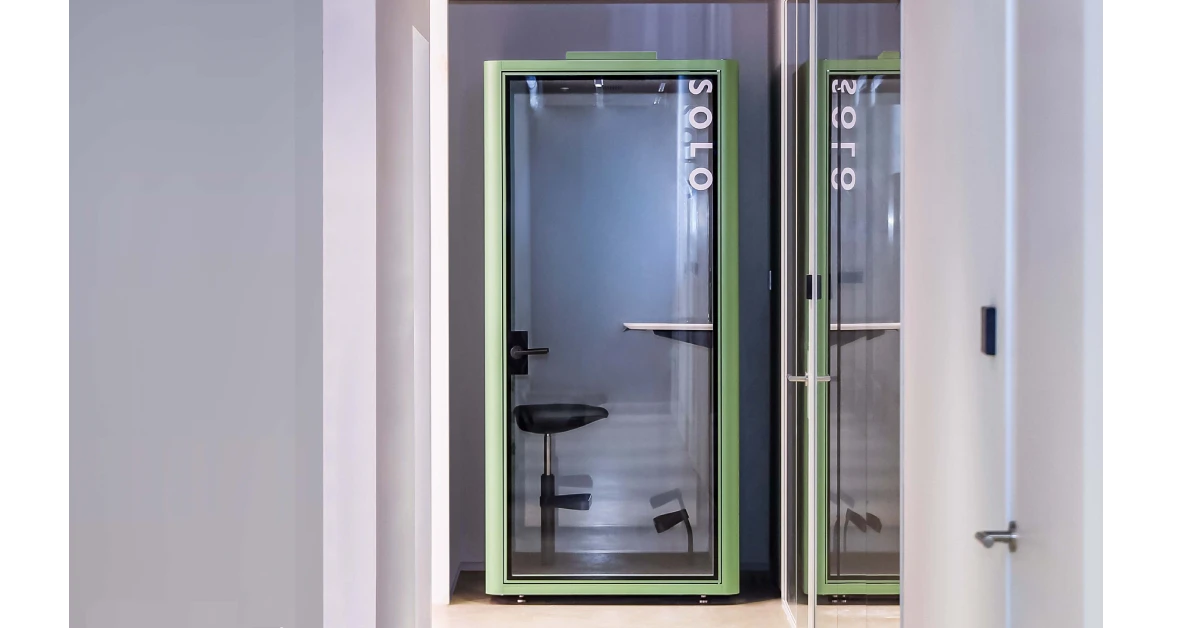
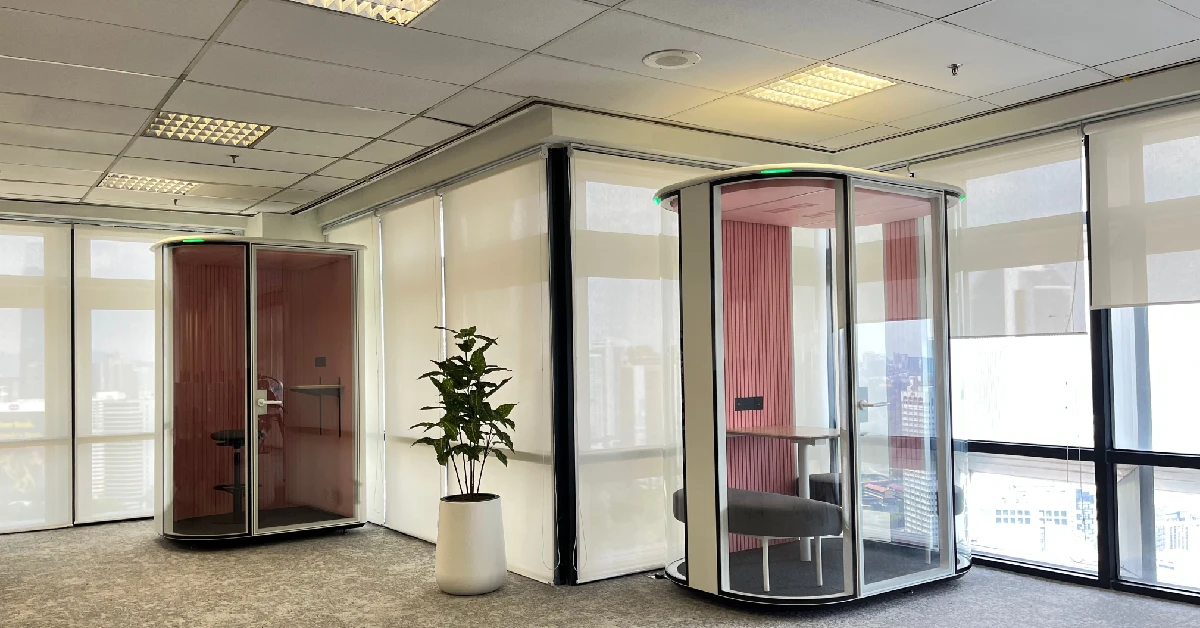
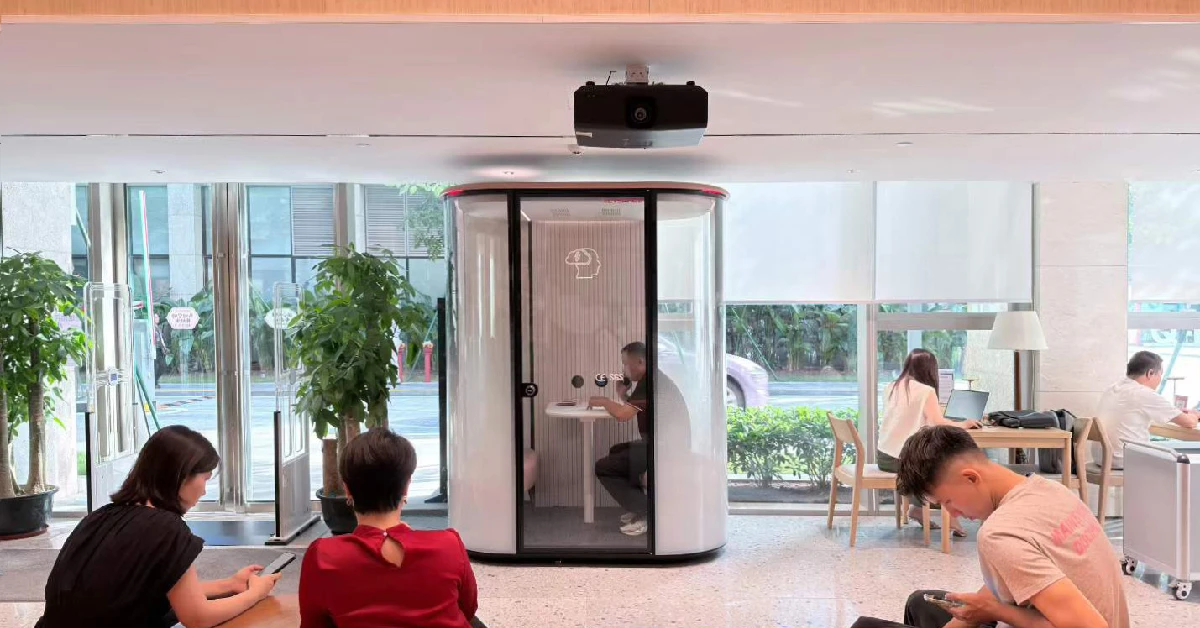
- Phone or video call booths
- Social and relaxation areas
This approach allows employees to choose the environment that best suits their current task, whether they need deep concentration, teamwork, or casual interaction.
By offering multiple types of workspaces, organizations create a more adaptable and human-centered workplace.
The Importance of Workspace organization
While activity-based design offers flexibility, its success depends heavily on how well the office is organized.
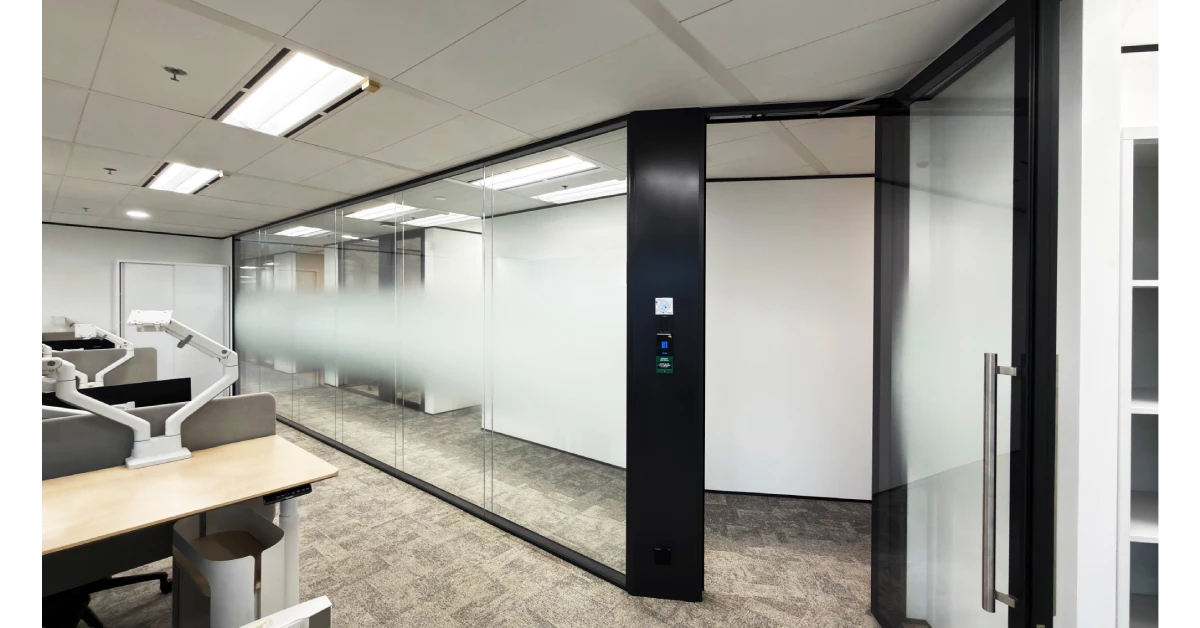
Workspace organization refers to dividing the office into clearly defined areas designed for specific activities. Without proper organization, open offices can become noisy and confusing, which increases stress and decreases productivity.
Effective workspace organization typically includes a balanced mix of open and private spaces. It supports teamwork and spontaneous collaboration, while workspace organization allow employees to focus without distractions.
Research suggests that employees often prioritize privacy when choosing where to work in activity-based offices. This highlights how critical it is to provide enclosed spaces alongside open work areas.
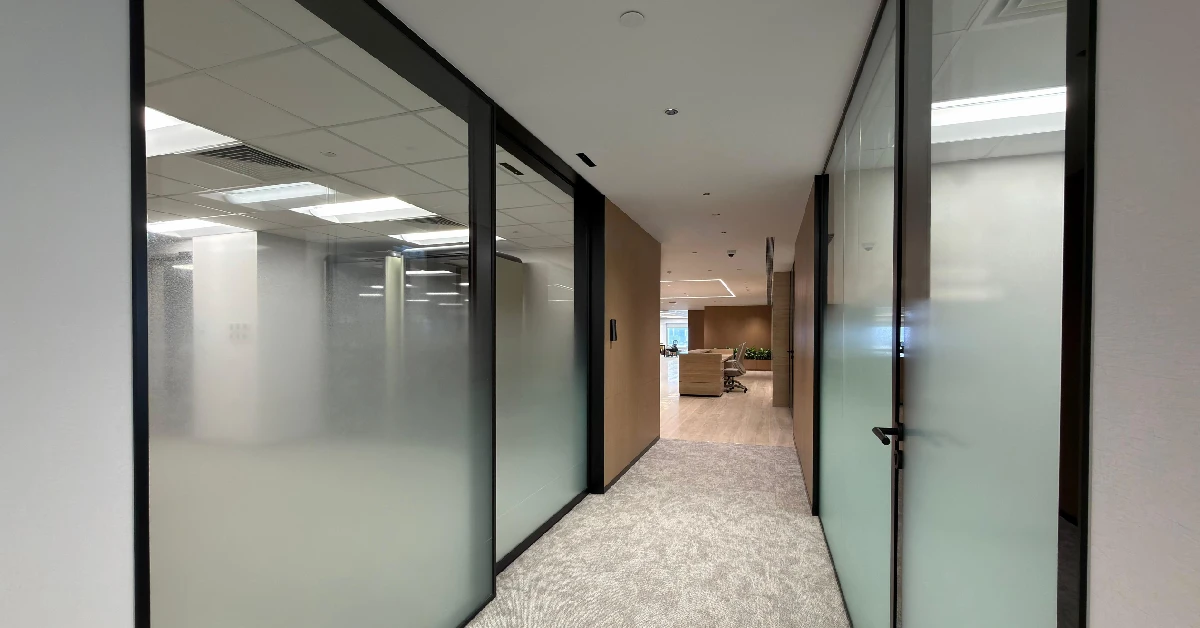
Clear visual cues, acoustic separation, and intuitive layouts help employees understand how each area is intended to be used, reducing friction in daily workflows.
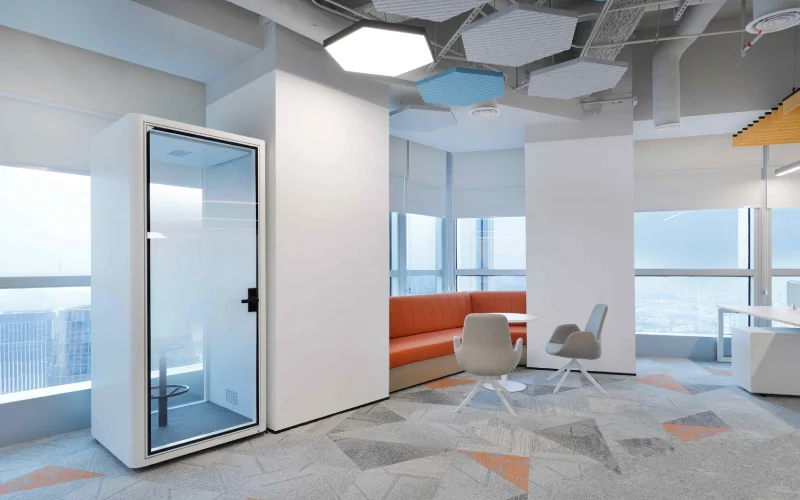
Designing for Different People and Work Styles
No two employees work in exactly the same way. Some people thrive in energetic environments, while others need quiet spaces to focus.
Inclusive workplace design takes these differences into account.
In fact, approximately one in seven people are considered neurodivergent, meaning they may be more sensitive to factors such as noise, lighting, or visual stimulation.
A workplace that supports diverse needs typically incorporates:
- Adjustable lighting
- Ergonomic furniture
- Quiet zones
- Flexible seating options
These elements allow employees to personalize their environment, which is strongly linked to workplace satisfaction and reduced stress.
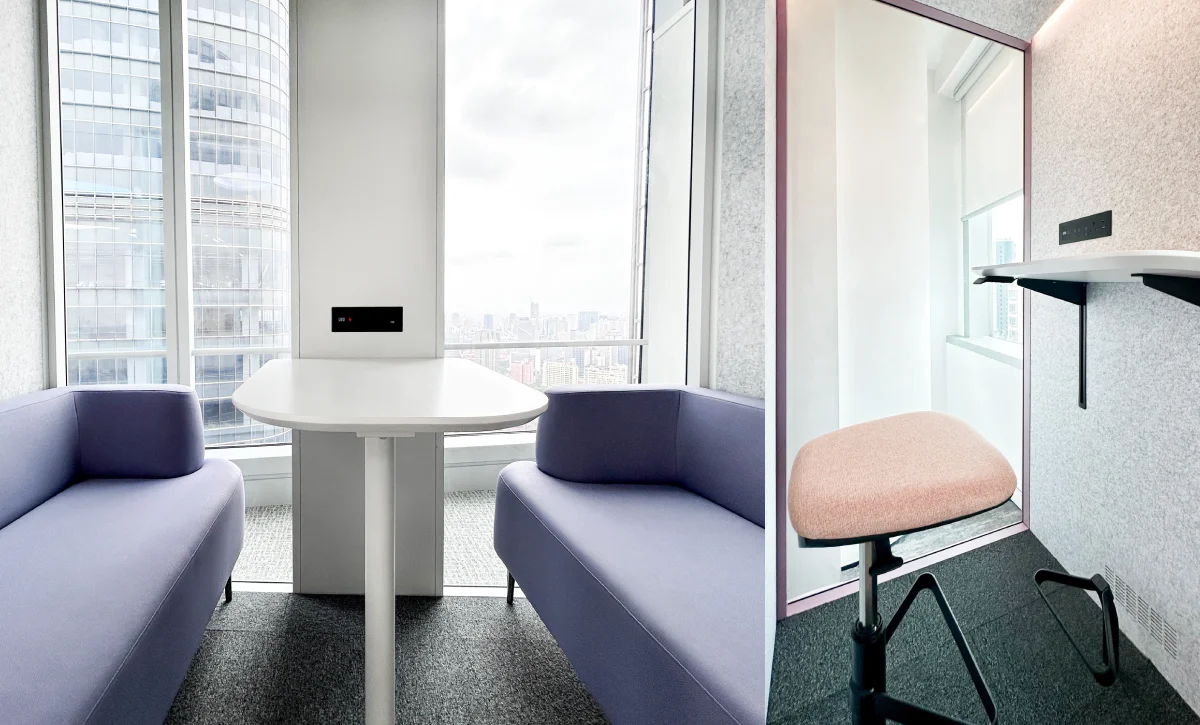
Why Privacy Spaces Are Essential in Modern Offices
Open offices are excellent for collaboration, but they can sometimes create constant distractions.
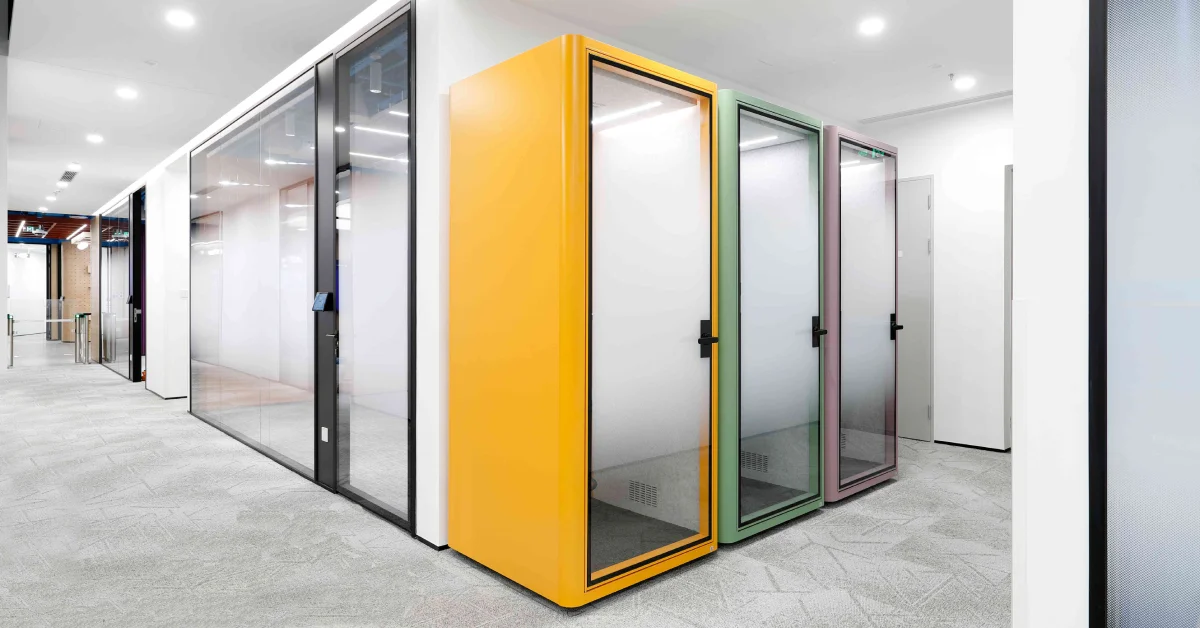
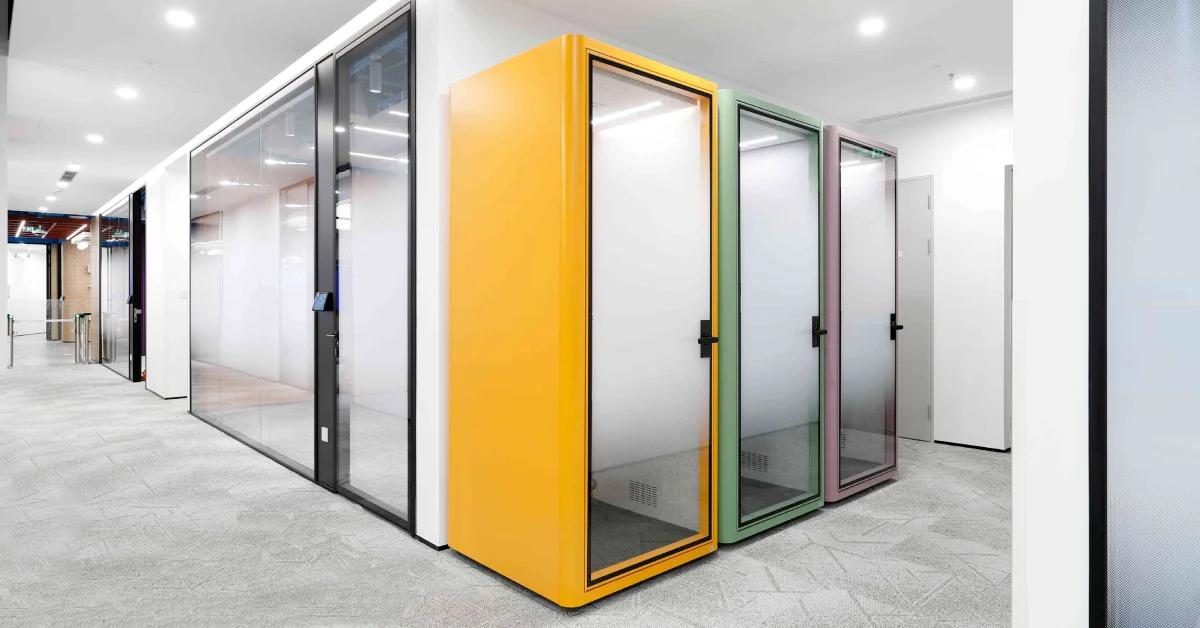
This is why many modern workplaces include privacy booths, acoustic pods, or enclosed meeting areas. These spaces allow employees to step away from the open environment when they need quiet focus, confidential conversations, or uninterrupted video calls.
Private workspaces also help reduce sensory overload—especially for individuals who are sensitive to noise or visual stimulation.
By combining open collaboration areas with quiet retreat spaces, companies create an office environment that supports both teamwork and individual concentration.
The Power of Flexible Workspaces
Flexibility is another key component of successful workplace design.
When employees are able to change their environment throughout the day, it can improve creativity, energy levels, and overall engagement. Different work settings stimulate different types of thinking and collaboration.
For example:
- Quiet areas support deep focus
- Collaboration zones encourage idea sharing
- Informal lounges promote spontaneous conversations
- Private booths enable uninterrupted calls
This variety helps employees stay mentally refreshed and better equipped to handle different types of work.
Creating a Healthier Office for the Future
The workplace of the future is not just about efficiency—it is about supporting people.
A well-zoned activity-based workplace provides employees with choice, flexibility, and control over their environment. By combining collaborative areas, quiet zones, and private workspaces, organizations can create offices that promote both productivity and mental well-being.
Ultimately, the most successful workplaces are those that recognize a simple truth: when employees feel comfortable, supported, and focused, they perform at their best.