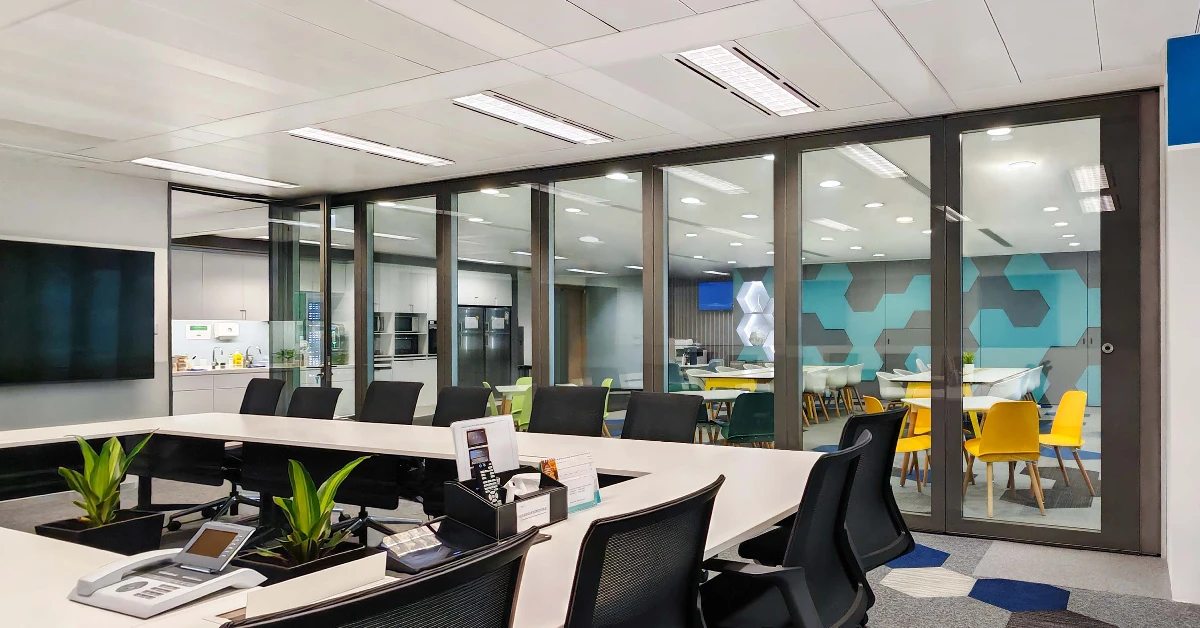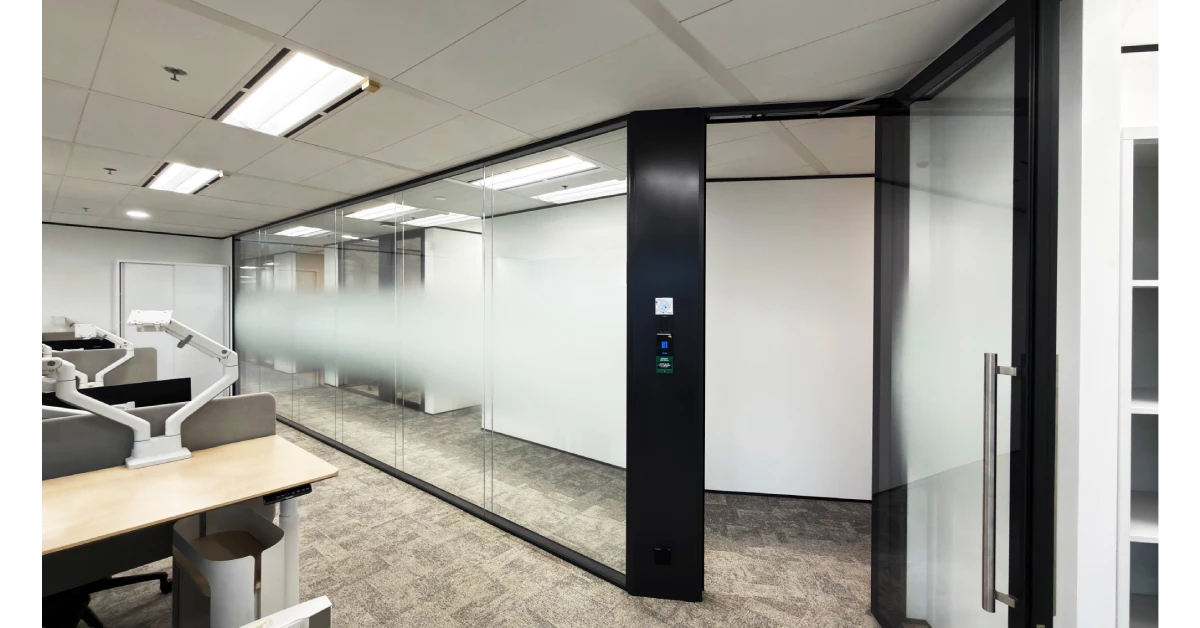

Modern workplaces are designed to be open, flexible, and collaborative. Open-plan offices encourage communication, transparency, and teamwork, and they remain a popular choice for organizations seeking agility and efficiency. However, openness alone does not guarantee a productive or comfortable work environment.
As offices become more dynamic, one challenge continues to surface: noise. Conversations, phone calls, and virtual meetings often compete for attention in shared spaces. Without intentional planning for quiet areas, employees may struggle to focus, communicate clearly, or handle private conversations. This is where office phone booths have become an essential design solution.
Rather than opposing open office principles, phone booths enhance them. They introduce quiet spaces that support focus and privacy while preserving the openness that modern workplaces value.
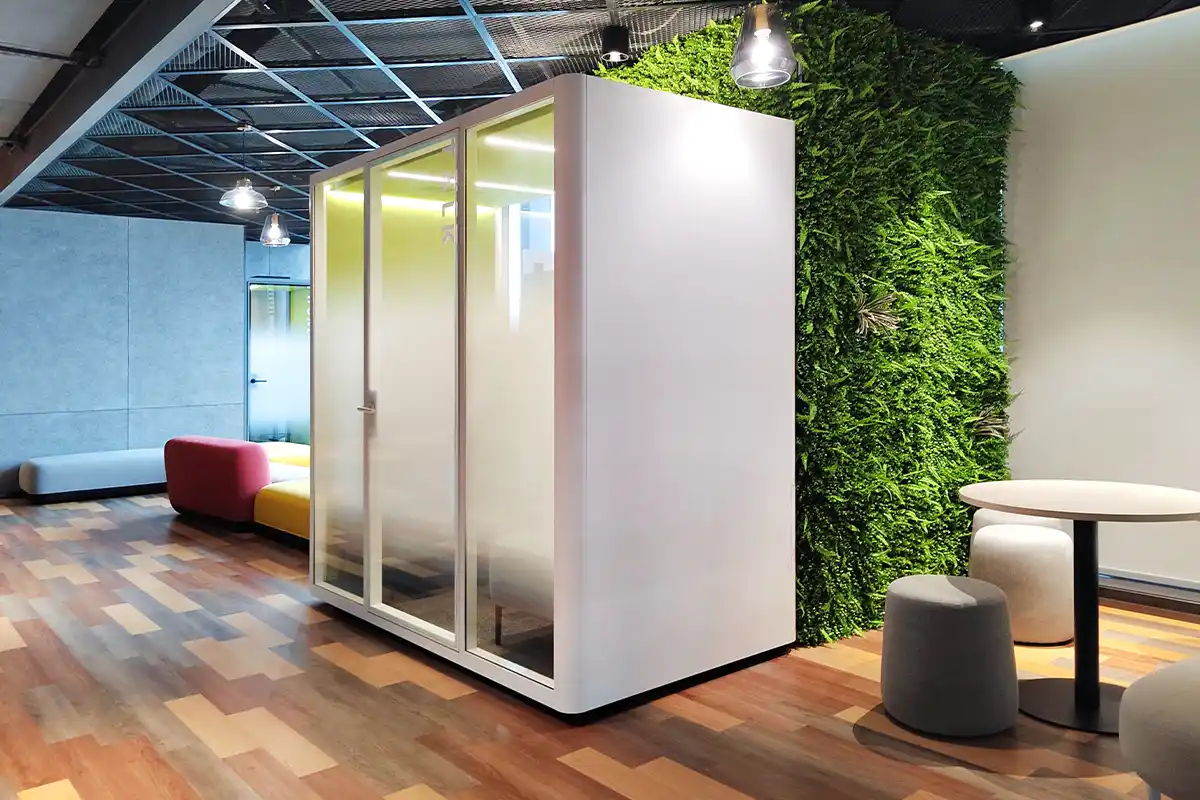
The Missing Layer in Open Office Design
Most open-plan offices are designed around three main elements: individual workstations, collaborative zones, and enclosed meeting rooms. While this structure supports teamwork and scheduled meetings, it often overlooks short, unplanned tasks that still require privacy or quiet.
Employees frequently need a place for quick phone calls, video meetings, or focused work sessions that don’t justify reserving a meeting room. Without a dedicated option, these activities spill into open areas, increasing noise and distraction for everyone.
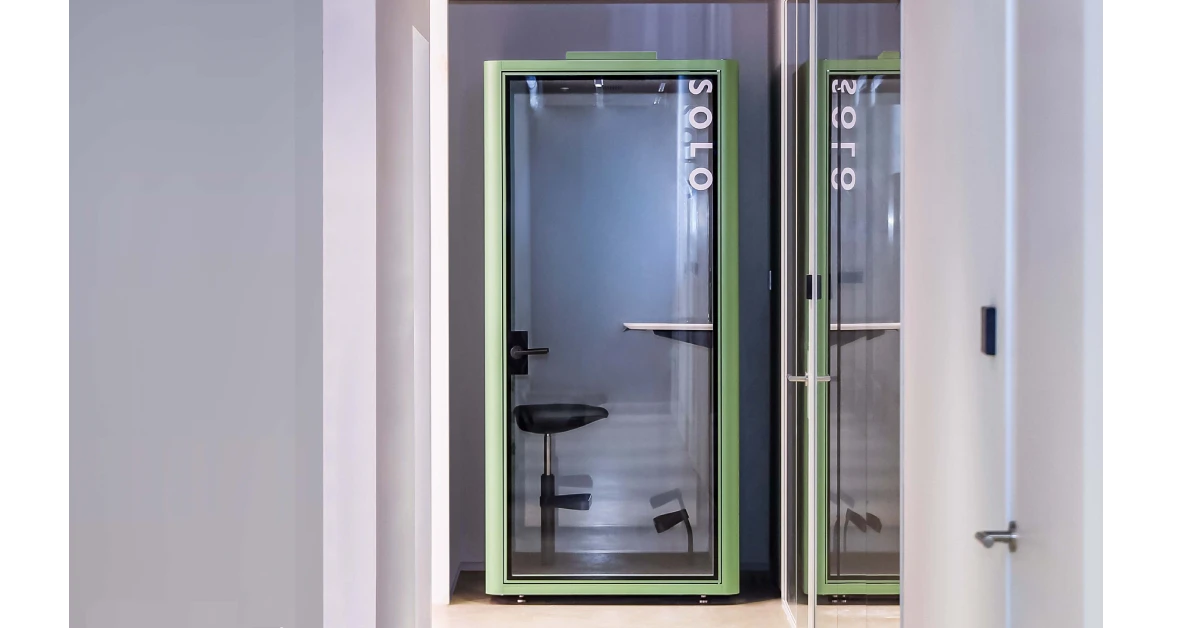
Office phone booths fill this missing layer. They act as intermediate spaces—bridging the gap between open desks and formal meeting rooms—allowing employees to step away briefly without disrupting the flow of the office.
Office Phone Booths as Micro-Architecture
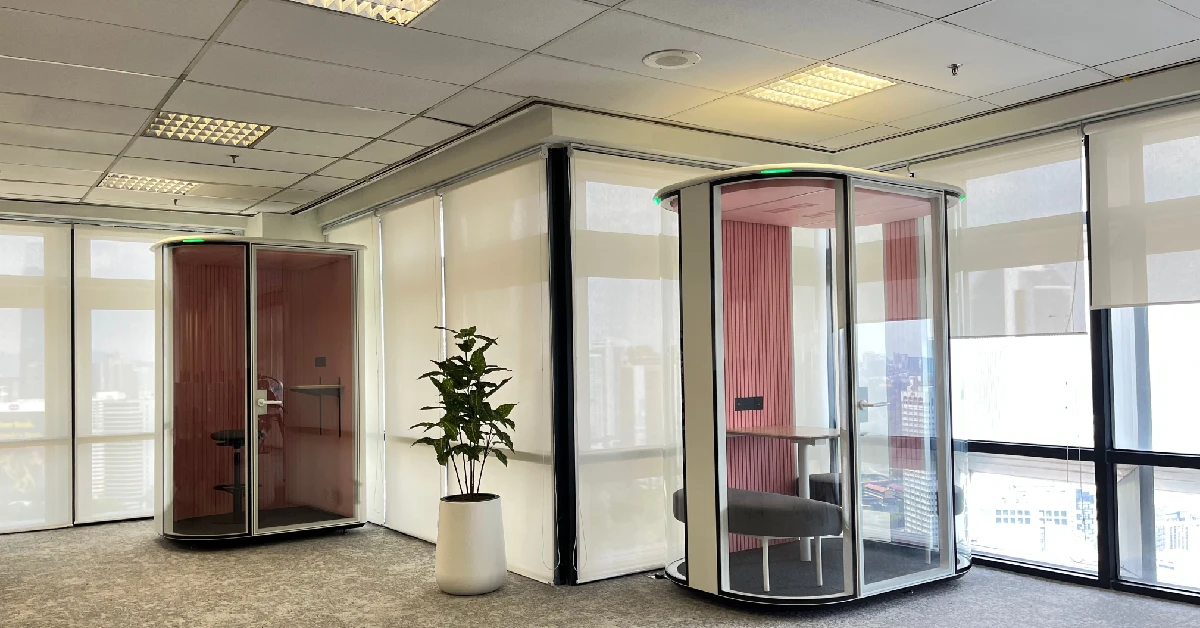
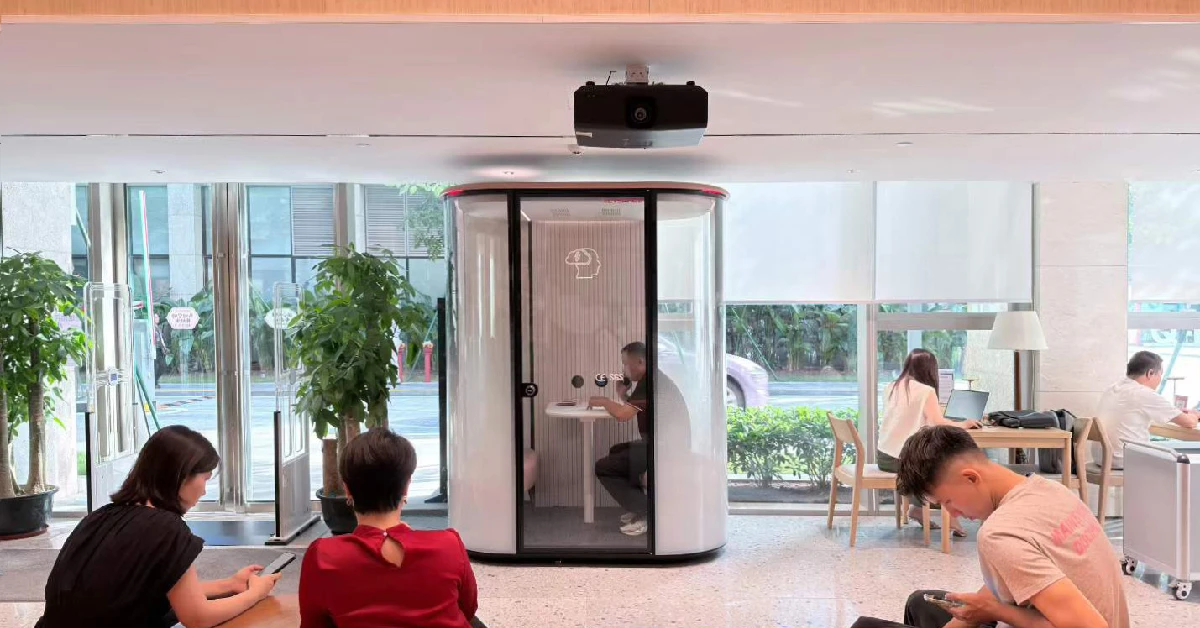
From a workplace design perspective, office phone booths function as micro-architecture. They introduce enclosed environments within larger spaces without the permanence of traditional construction.
Because booths are self-contained, designers can place them strategically to improve spatial organization. They can define zones, guide movement, and subtly influence how employees use the office—all without adding walls that block light or sightlines.
This architectural flexibility makes phone booths especially valuable in modern offices, where adaptability and scalability are key design priorities.
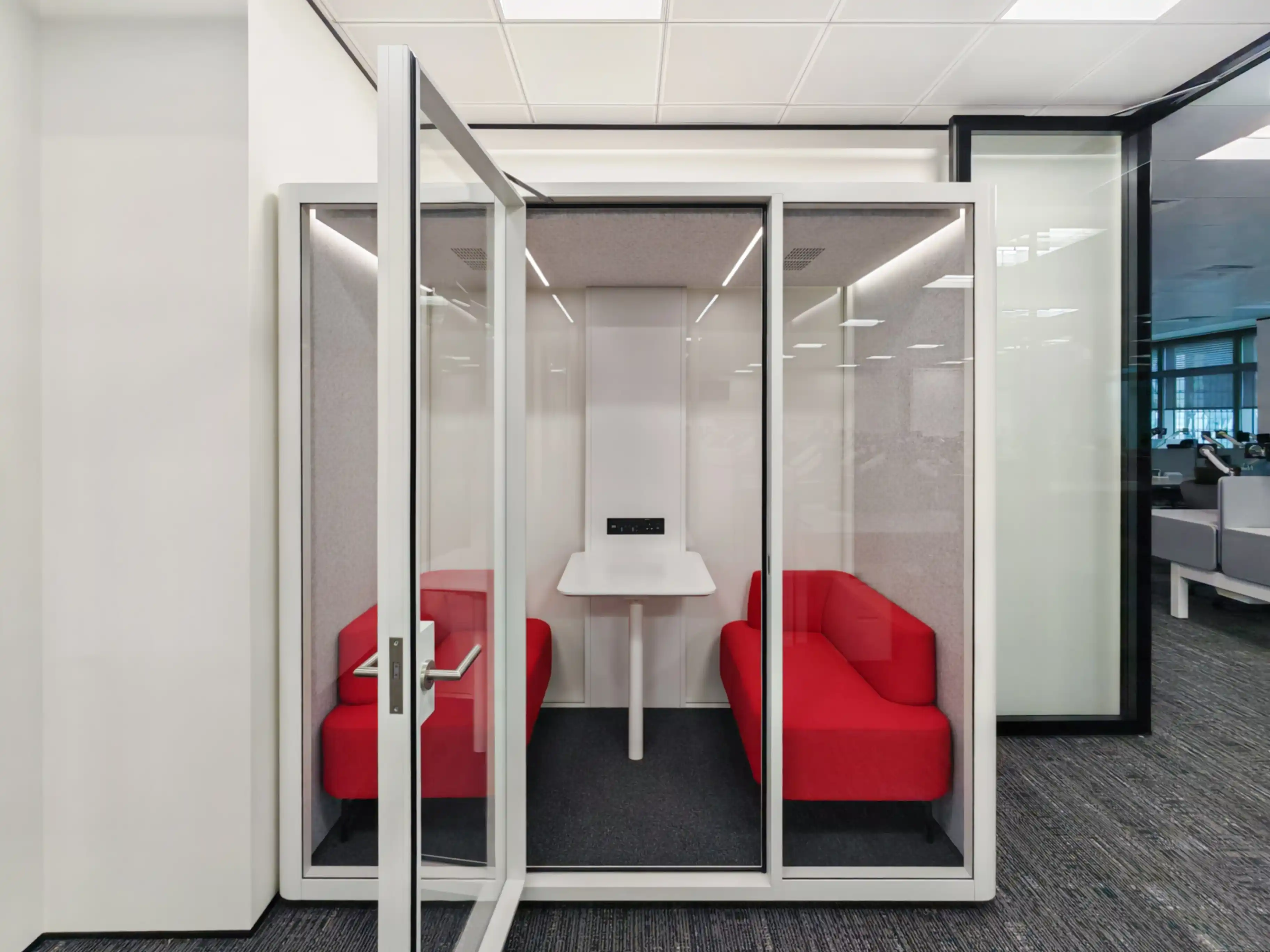
Improving Workplace Acoustics Through Zoning
One of the most significant benefits of office phone booths is their impact on workplace acoustics. In open offices, sound travels easily, making it difficult to contain conversations or reduce background noise.
Phone booths are designed with acoustic materials that absorb sound and prevent it from escaping into the surrounding space. By placing booths near collaboration zones or high-traffic areas, designers can contain noise at the source rather than trying to control it across the entire floor.
This approach—known as acoustic zoning—improves overall sound quality in the workplace without sacrificing openness or visual continuity.
Supporting Multiple Work Modes
Modern work is not one-dimensional. Employees move between collaboration, individual focus, virtual communication, and informal conversations throughout the day. Effective workplace design must support all of these modes.
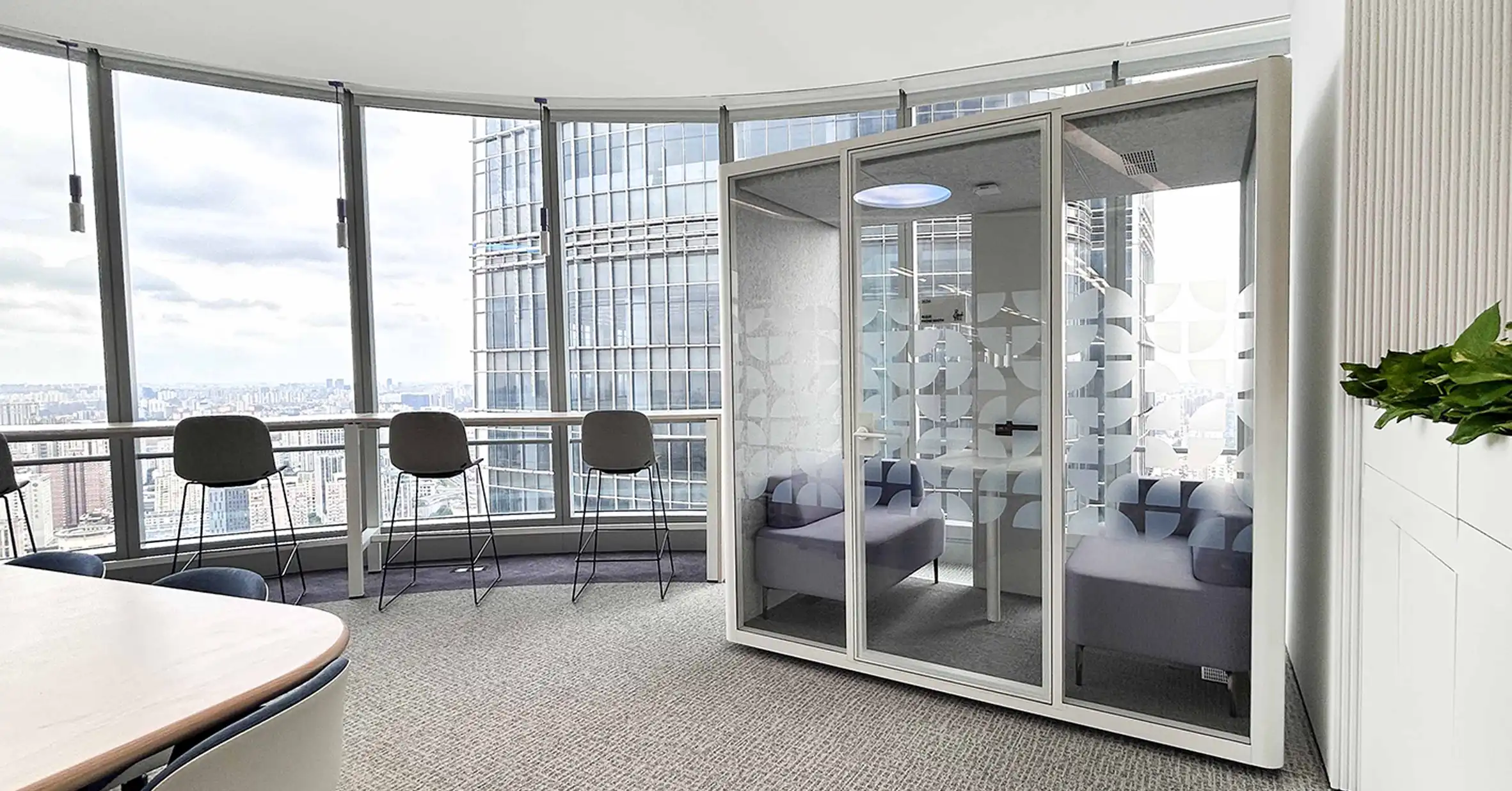
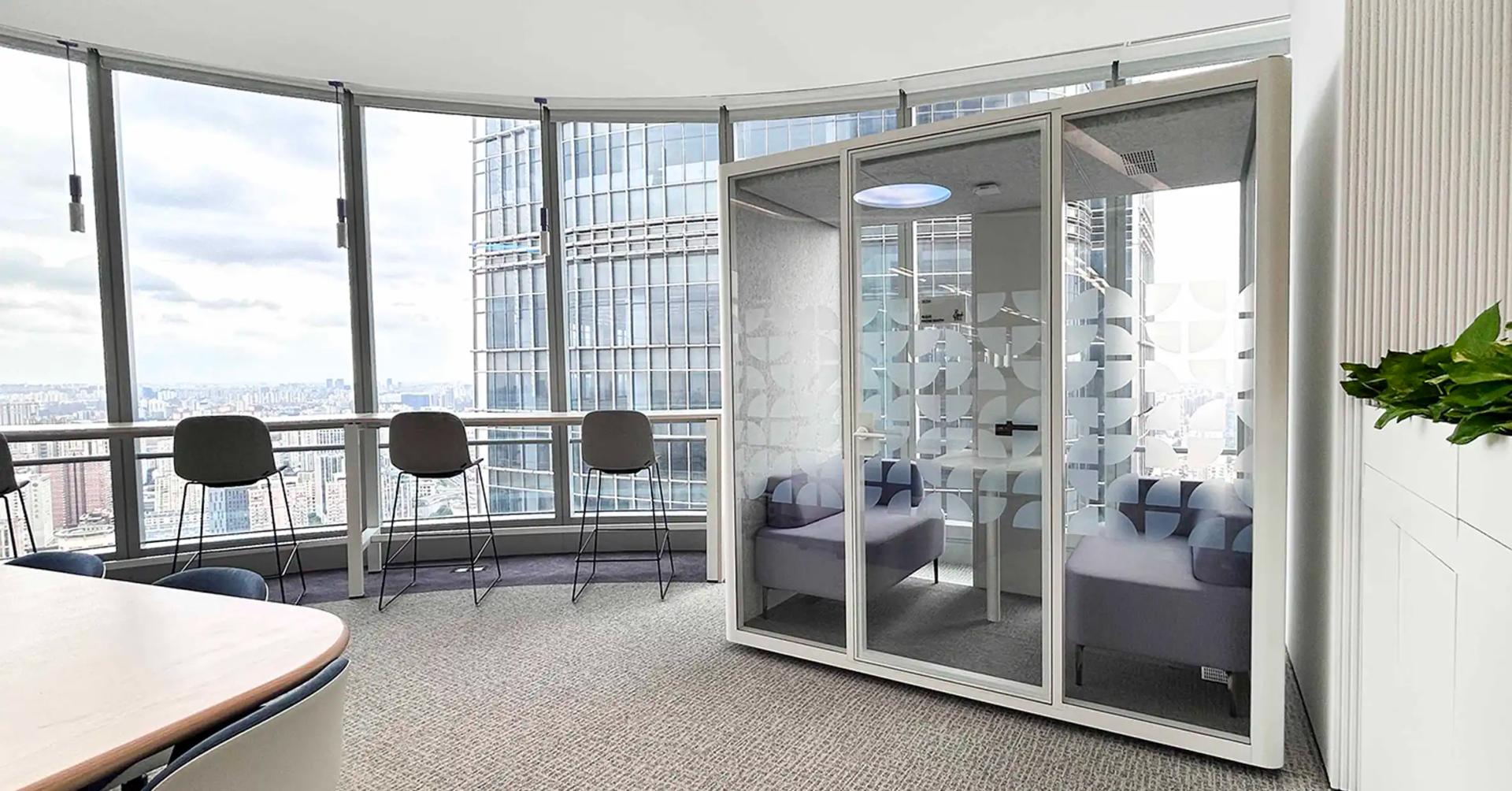
Office phone booths enable this flexibility by providing purpose-built spaces for specific tasks. Employees can use them for video meetings, confidential calls, or short periods of focused work—then return to shared spaces when collaboration is needed.
This balance helps offices function more smoothly, ensuring that no single activity dominates the environment.
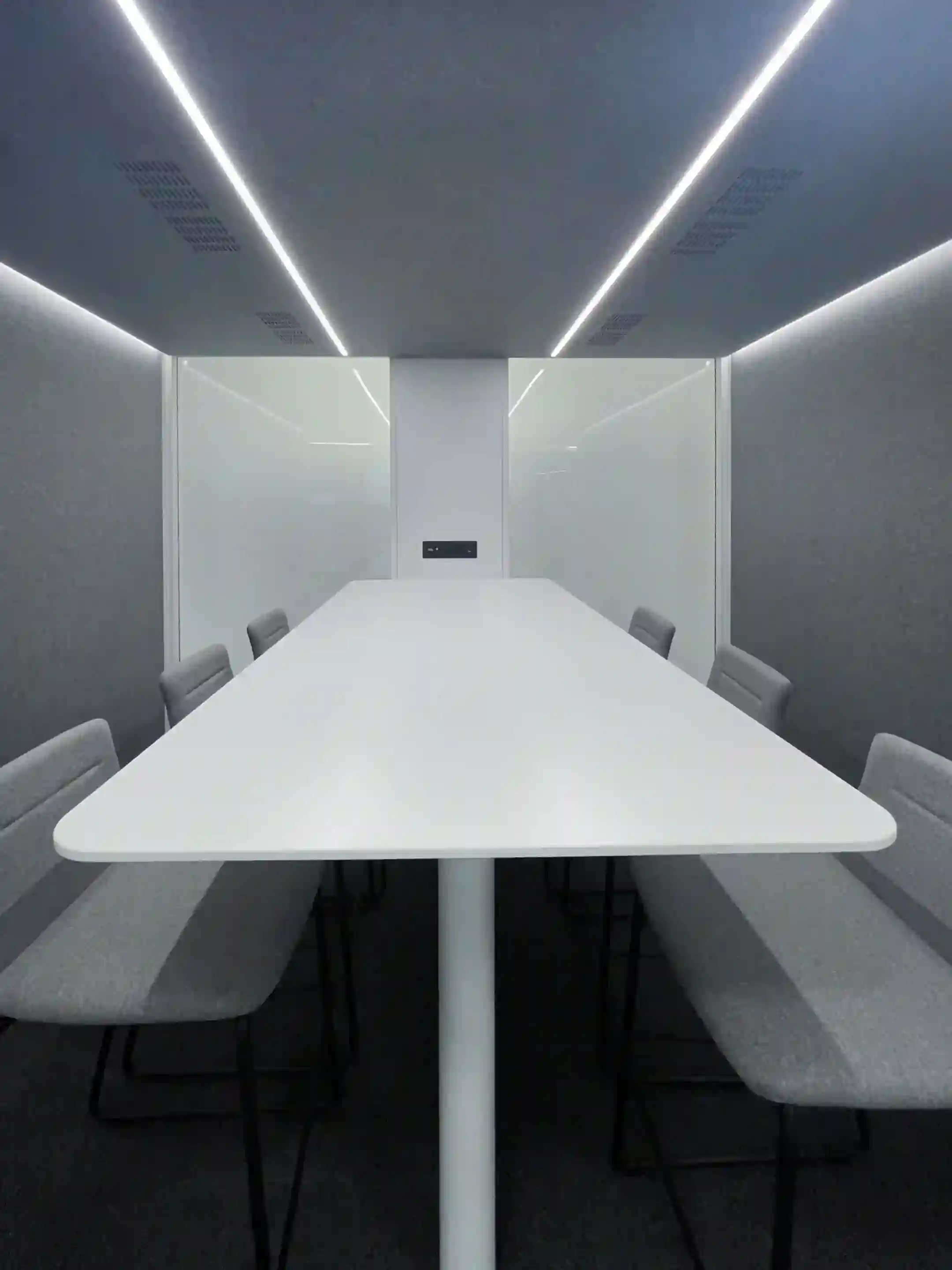
Designing for Flexibility and Future Growth
Office layouts are no longer static. Teams expand, departments reorganize, and hybrid work models continue to evolve. Permanent construction can limit an office’s ability to adapt to these changes.
Office phone booths offer a future-proof solution. Because they are modular and movable, booths can be relocated or added as needs change. This allows organizations to scale their quiet spaces without major renovations or disruptions.
For designers and decision-makers, this flexibility represents a smarter long-term investment in workplace functionality.
Enhancing Employee Experience Through Design
Workplace design has a direct impact on how employees feel and perform. Constant noise and interruptions can increase stress and reduce productivity, while access to quiet spaces supports focus and wellbeing.
By incorporating phone booths into office layouts, designers give employees greater control over their environment. This autonomy improves satisfaction and engagement, contributing to a healthier and more supportive office culture.
Quiet spaces are no longer a luxury—they are a core component of employee-centered design.
Quiet Spaces as a Modern Design Standard
As offices continue to evolve, the need for quiet, private spaces is becoming universal. Office phone booths have moved beyond being optional add-ons or design features—they are now a standard element of effective workplace strategy.
When thoughtfully integrated, phone booths enhance acoustics, support diverse work styles, and improve the overall functionality of open offices. They demonstrate that great workplace design is not about choosing between collaboration and privacy, but about enabling both.
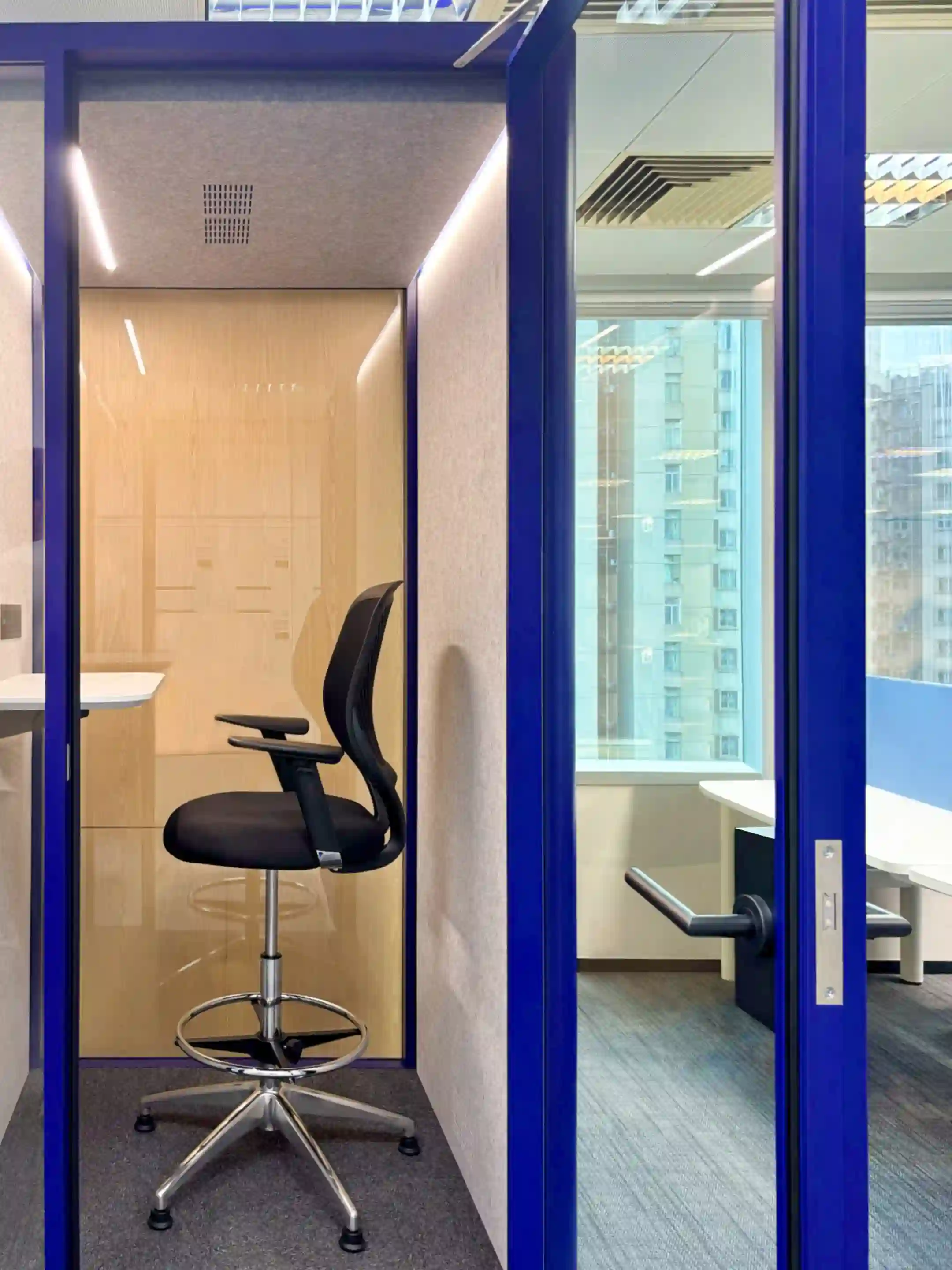
Conclusion: Reliable Quiet Spaces for Modern Offices
Quiet spaces are now a core workplace requirement, not a design extra. Office phone booths help organizations meet performance expectations around acoustic control, privacy, and hybrid work support—while remaining flexible as office needs evolve.
UVO’s booth solutions are designed to deliver this reliability at scale. MO-BOX supports quick calls and short focus sessions, Q-ROOM accommodates longer meetings and video conferences, and R-POD offers modular flexibility for changing layouts.