
Introduction: Why Cost Efficiency Matters in Modern Offices
Office environments are evolving rapidly. Rising real-estate prices, changing work patterns, and the growing popularity of hybrid work models have forced organizations to rethink how they use office space. Businesses today are no longer focused only on aesthetics—they want offices that maximize efficiency, reduce costs, and support employee productivity.
A cost-efficient office design focuses on making every square foot work harder. Instead of expanding office footprints, companies are redesigning existing spaces to support multiple functions—from focused work areas to collaborative meeting zones. Smart planning and flexible solutions allow businesses to reduce construction costs while improving workplace experience.
When executed properly, a well-designed office can improve workflow, enhance employee satisfaction, and significantly lower operational expenses.
Understanding the Drivers Behind Rising Office Costs
Many organizations are facing increased workplace expenses due to several industry trends. Real-estate costs continue to rise in major cities, while construction and furniture prices have increased due to supply chain pressures and tariffs.
At the same time, hybrid work models mean that office desks often remain unused for large portions of the week. When companies pay high rent for underutilized workstations, the cost per employee increases significantly.
To stay competitive, businesses must rethink traditional office layouts and adopt designs that prioritize flexibility and efficient space utilization.
Designing Offices That Use Space More Efficiently
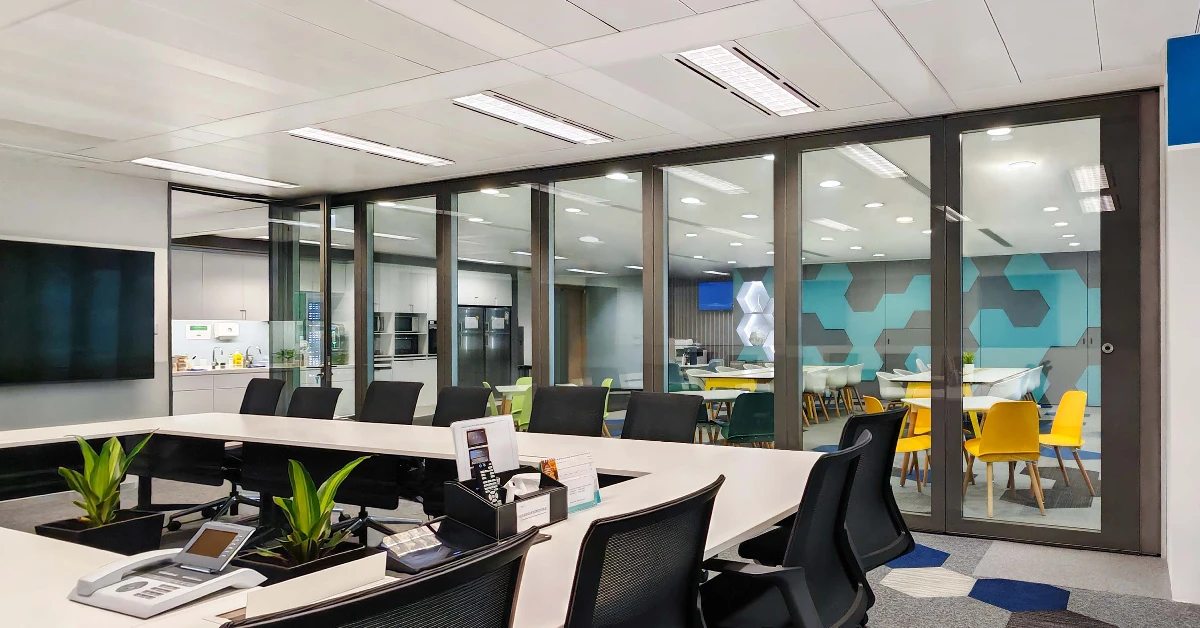
A cost-efficient office starts with strategic space planning. Rather than assigning permanent desks to every employee, many companies are shifting toward activity-based environments.
This approach creates different areas designed for specific work styles, such as:
- Quiet zones for deep focus
- Collaborative areas for team meetings
- Informal spaces for quick discussions
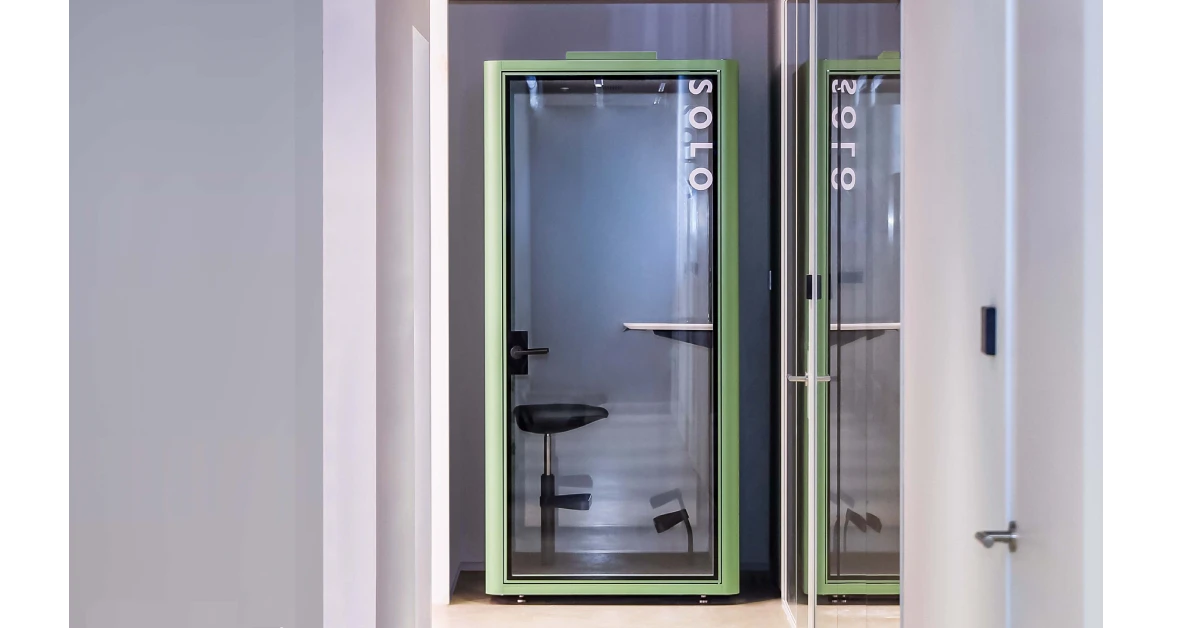
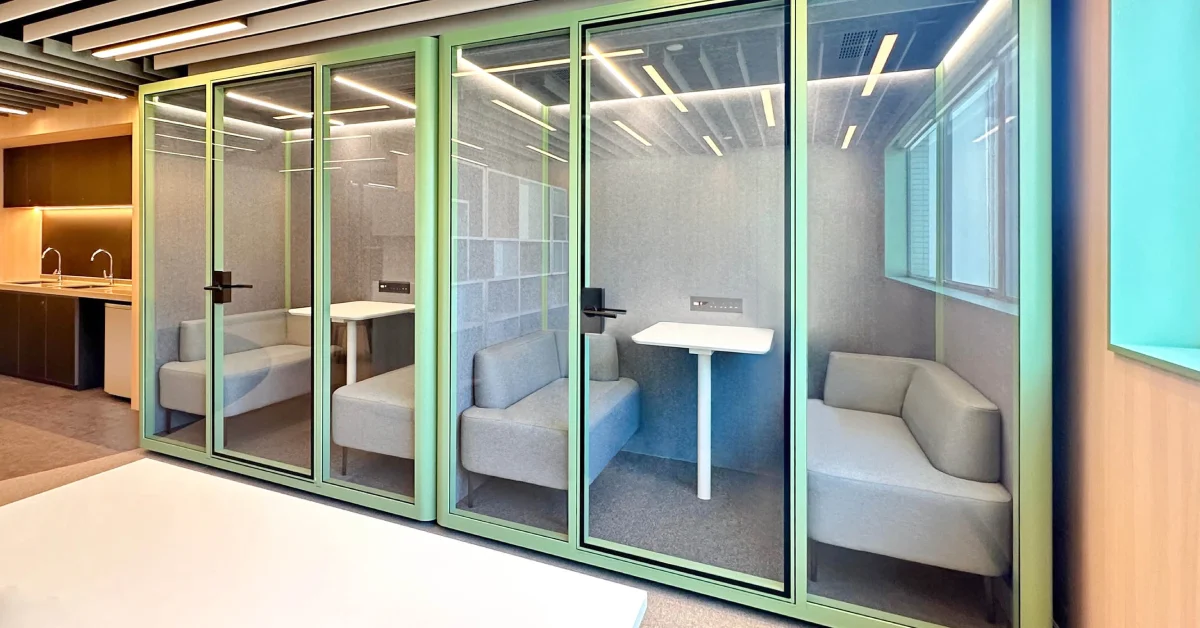
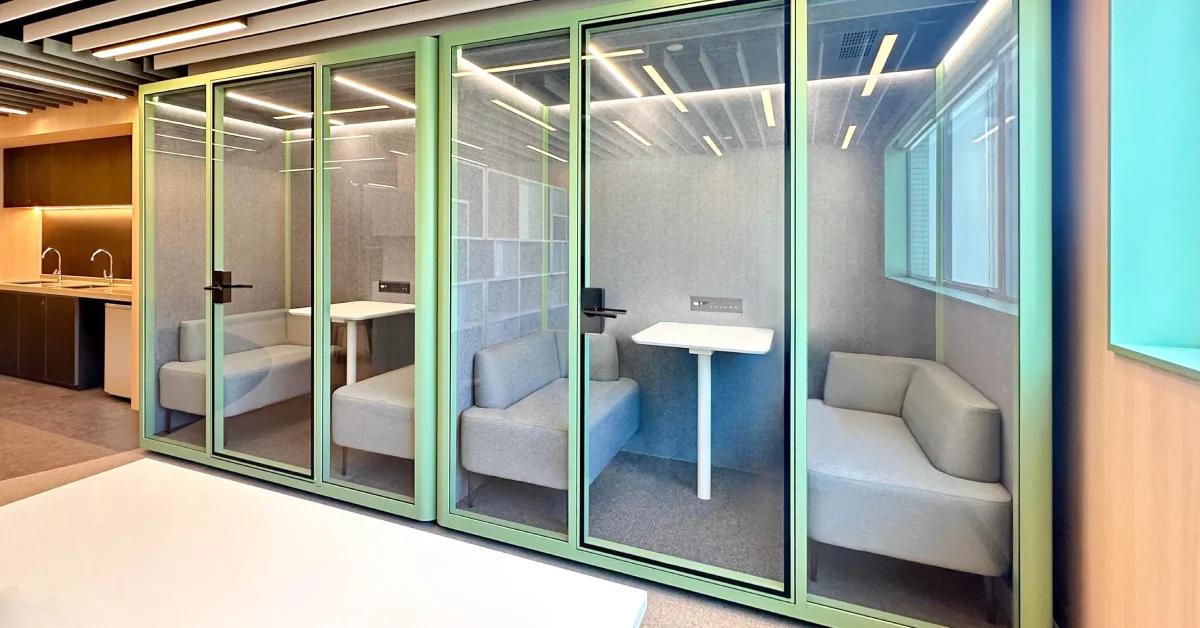
- Private rooms for calls or confidential conversations
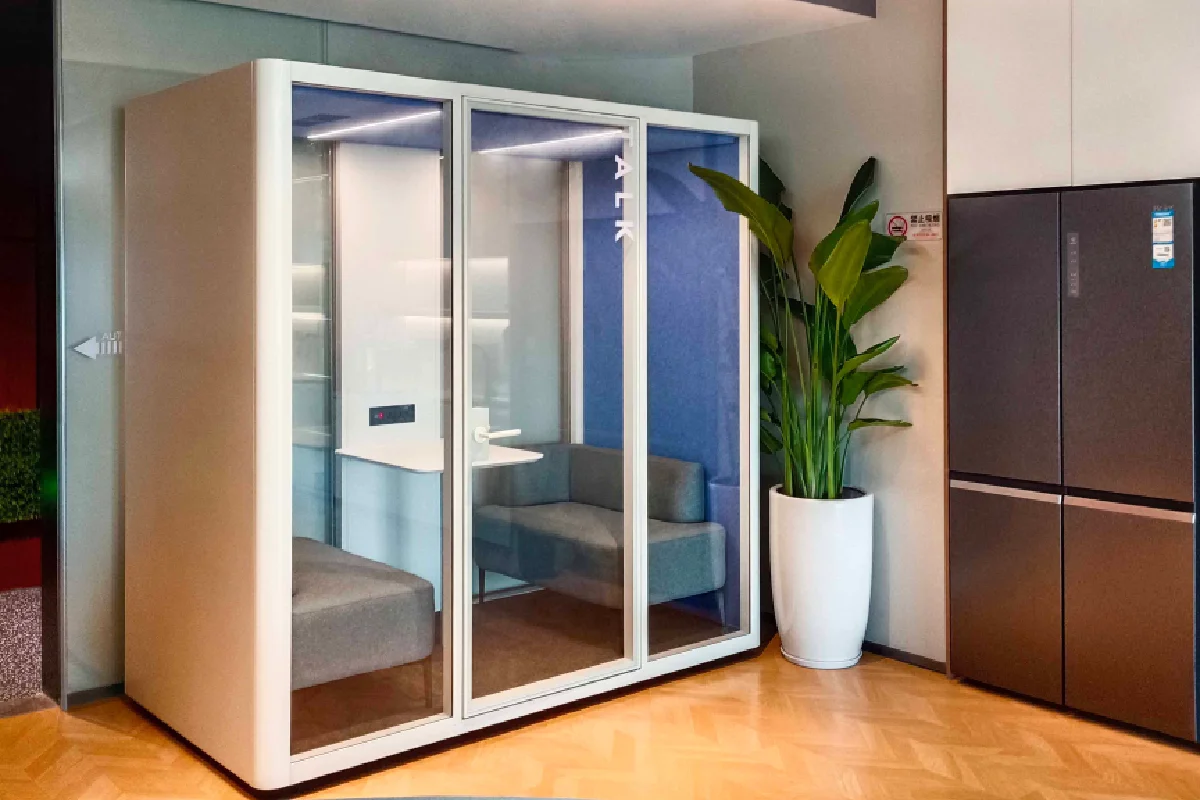
Flexible layouts ensure that office space adapts to employee needs instead of remaining static. By improving utilization, companies can often support more employees within the same footprint.
Another important element is data-driven planning. By analyzing how employees actually use office space, organizations can identify underused areas and redesign them for greater productivity.
The Role of Modular and Flexible Workspace Solutions
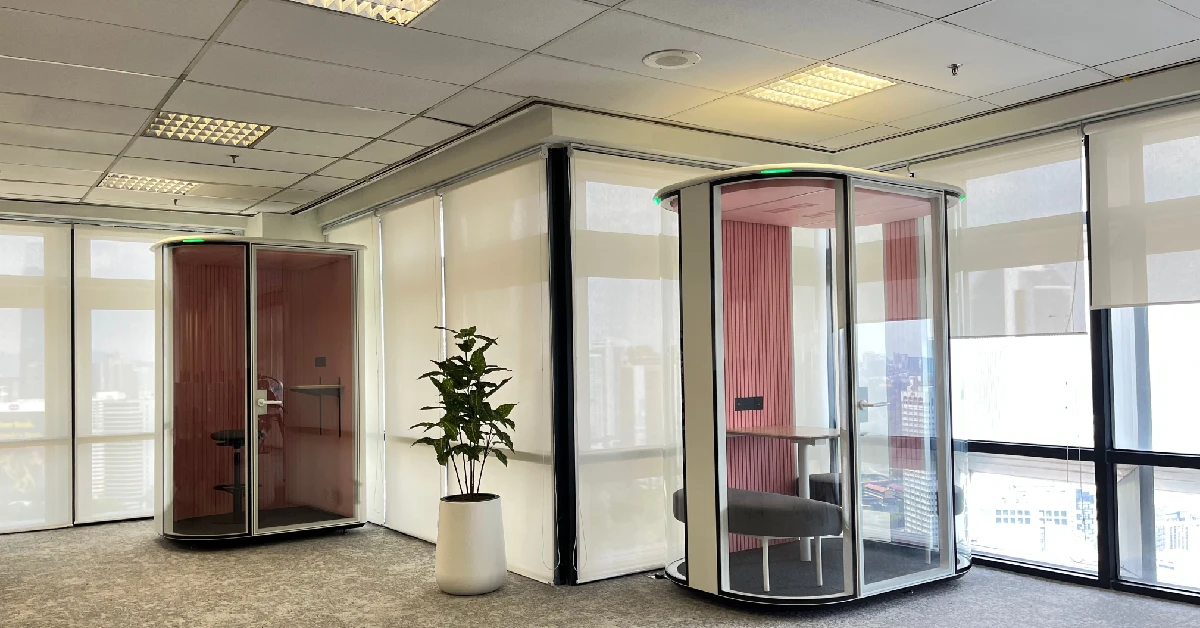
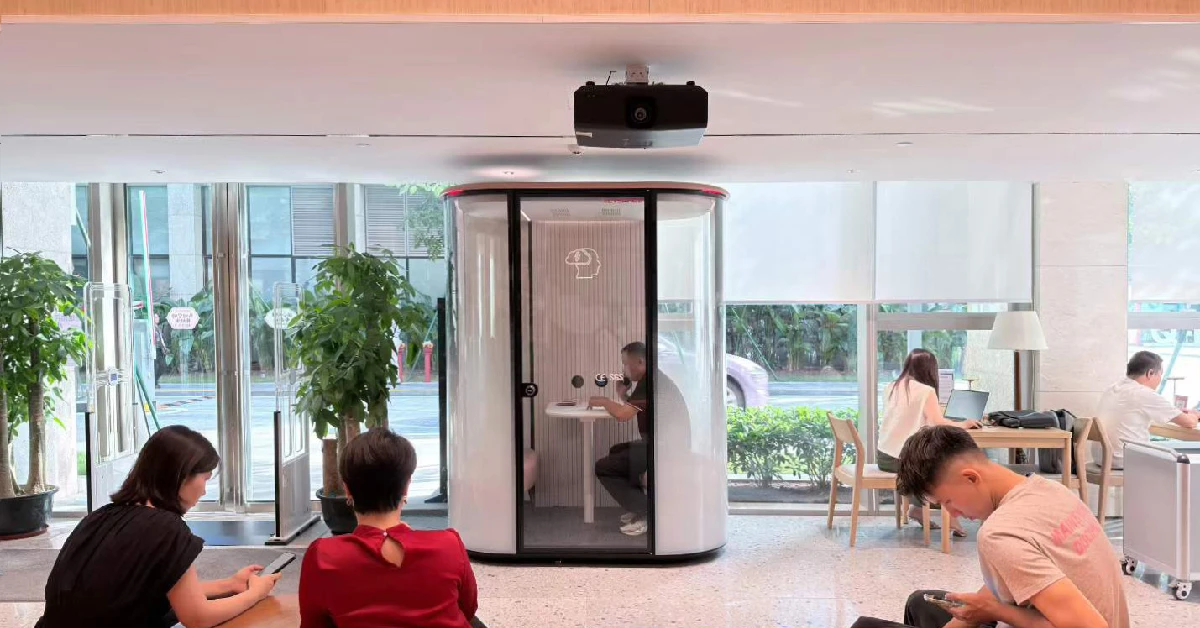
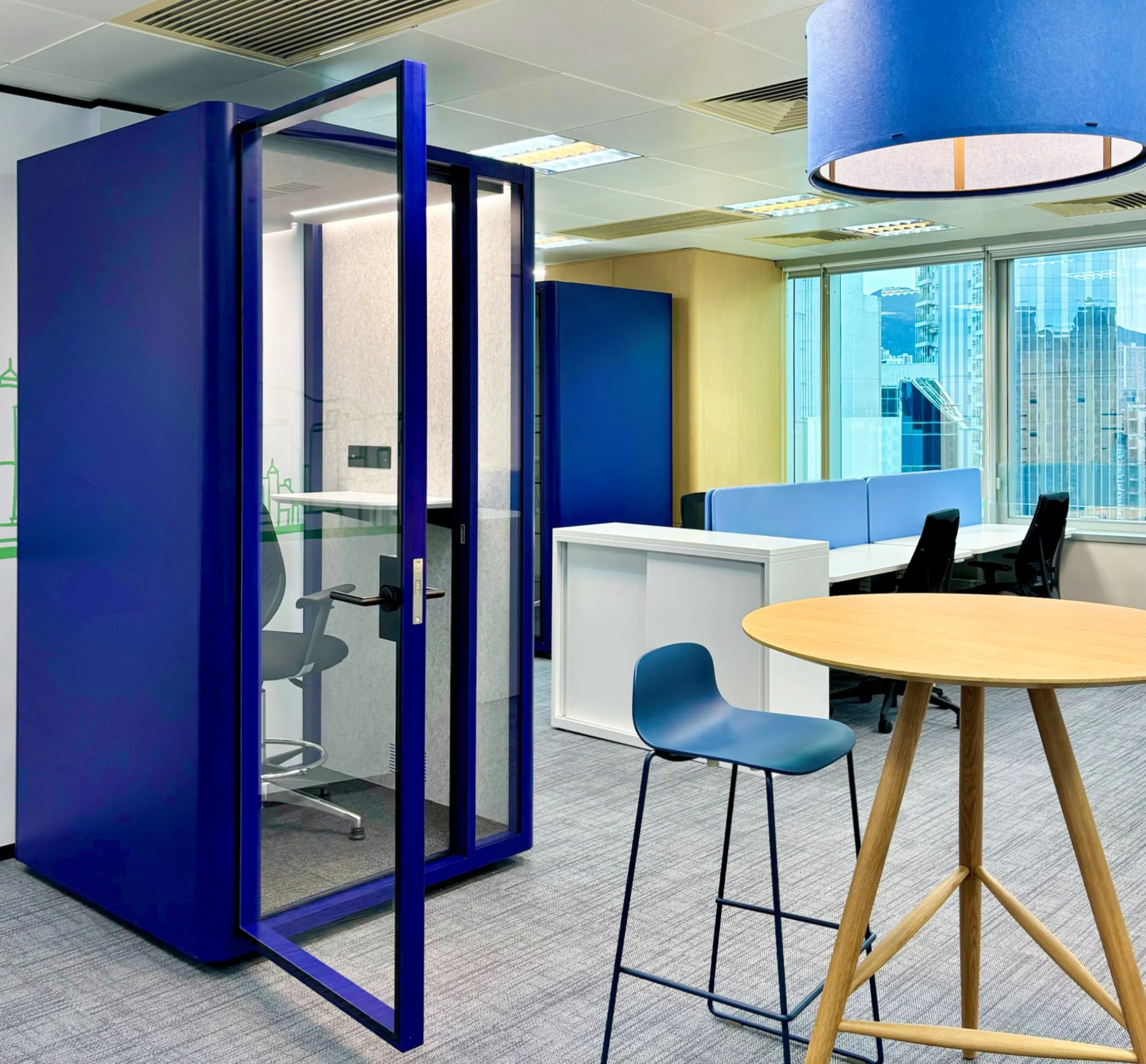
One of the most effective strategies for reducing office build-out costs is the use of modular solutions such as movable furniture and acoustic pods.
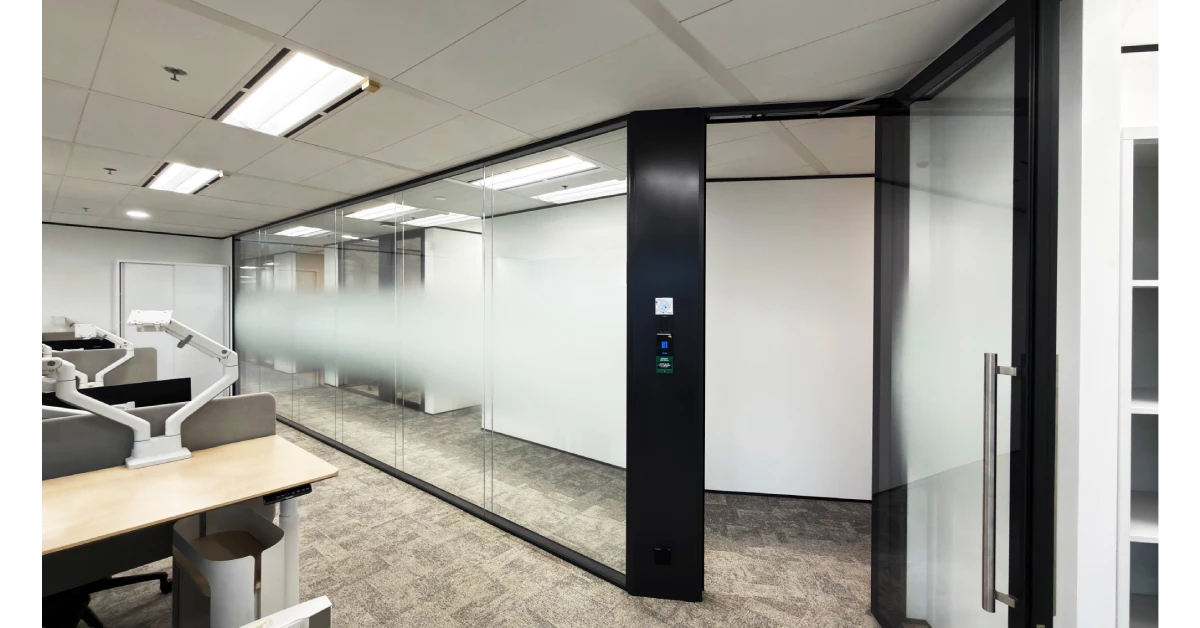
Traditional construction, such as building permanent meeting rooms with drywall, can be expensive and difficult to modify later. Modular solutions, however, can be installed quickly and reconfigured whenever office needs change.
Acoustic pods and modular workstations offer several advantages:
- Faster installation compared with traditional construction
- Lower renovation costs over time
- Flexible layouts that adapt to changing team size
- Improved acoustic privacy in open offices
Because these systems can be relocated or reused, they provide long-term value and reduce waste associated with frequent office renovations.
Enhancing Productivity Through Better Workplace Design
Cost-efficient design is not just about reducing expenses—it also improves employee performance.
Open offices often create distractions, making it difficult for employees to focus on complex tasks. Providing quiet spaces for concentrated work helps employees maintain productivity throughout the day.
Acoustic pods, privacy panels, and designated focus areas help reduce noise levels and create environments where employees can work more effectively.
At the same time, collaborative spaces remain essential for teamwork. A balanced office layout that includes both private and shared areas supports different working styles and encourages better communication between teams.
Sustainable Materials and Long-Term Cost Savings
Another important aspect of cost-efficient office design is sustainability. Many organizations are incorporating recycled materials, durable furniture, and modular construction techniques into their workplace strategies.
Sustainable design solutions often have longer lifespans and require fewer replacements, reducing long-term operating costs. In addition, eco-friendly materials improve indoor air quality and contribute to healthier workplaces.
By combining sustainability with flexibility, companies can create offices that are both environmentally responsible and financially efficient.
The Future of Efficient Workplace Design
As workplace trends continue to evolve, flexibility will remain the foundation of effective office design. Companies that prioritize adaptability, sustainability, and employee wellbeing will be better positioned to manage rising costs while maintaining productivity.
Cost-efficient office design is not simply about spending less—it is about spending smarter. With thoughtful planning, modular solutions, and data-driven insights, organizations can create workplaces that support collaboration, focus, and innovation while maximizing the value of every square foot.