
How Operable Wall Systems Transform Modern Interior Spaces
Modern buildings are no longer designed with fixed layouts in mind. As workplaces, hospitality spaces, and public environments continue to evolve, businesses need interiors that can quickly adapt to different functions. Traditional permanent walls often limit flexibility, making it difficult to adjust spaces when requirements change.
Operable wall systems provide an innovative solution by allowing large areas to be divided, combined, and redesigned whenever needed. These operable partition systems help architects and designers create multifunctional environments without sacrificing aesthetics, comfort, or acoustic performance.
From offices and conference centers to hotels and educational facilities, operable walls are becoming an essential element in creating dynamic interior spaces.
What Are Operable Wall Systems?
Operable wall systems are movable partitions designed to divide large interior areas into smaller functional spaces. Unlike traditional fixed walls, these systems can be opened, closed, relocated, or reconfigured according to changing needs.
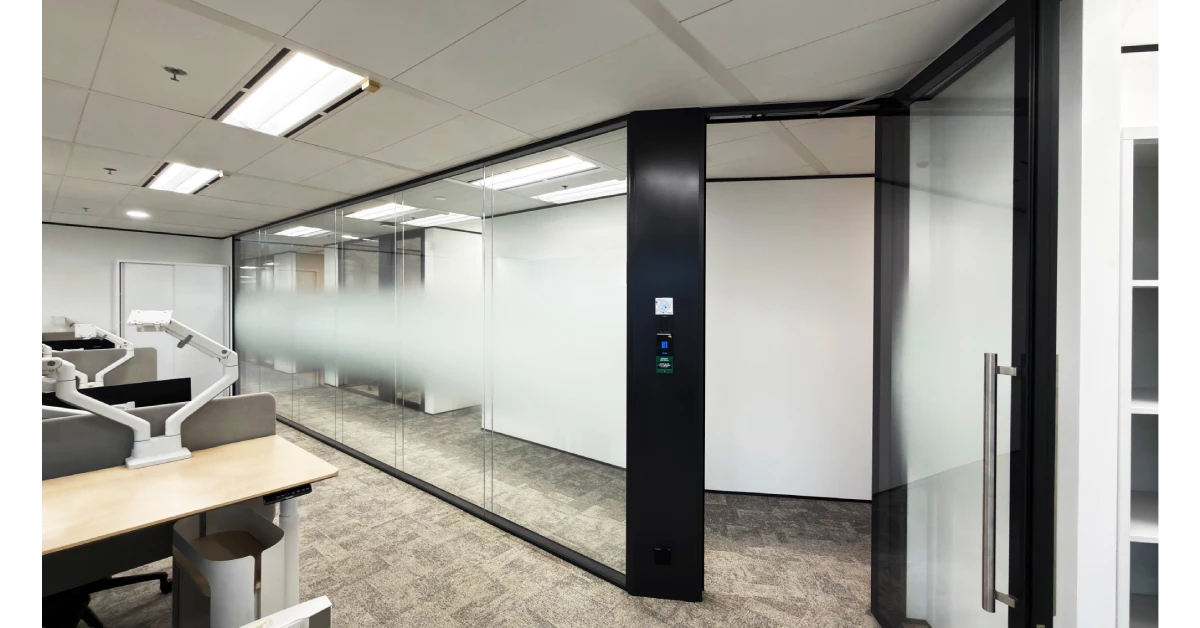
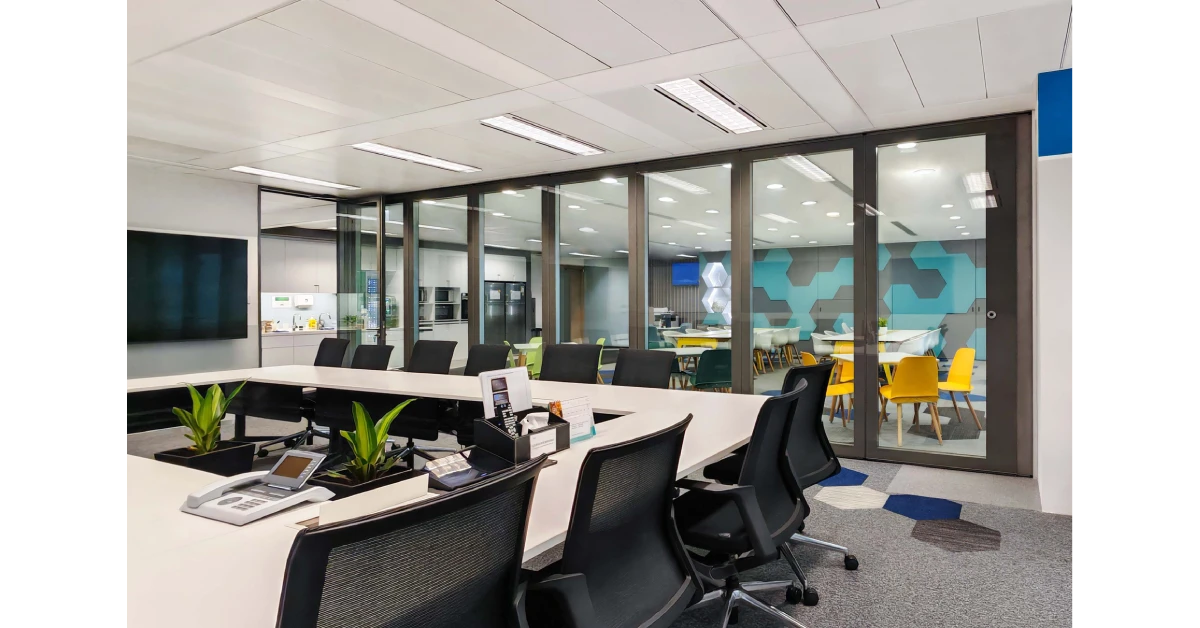
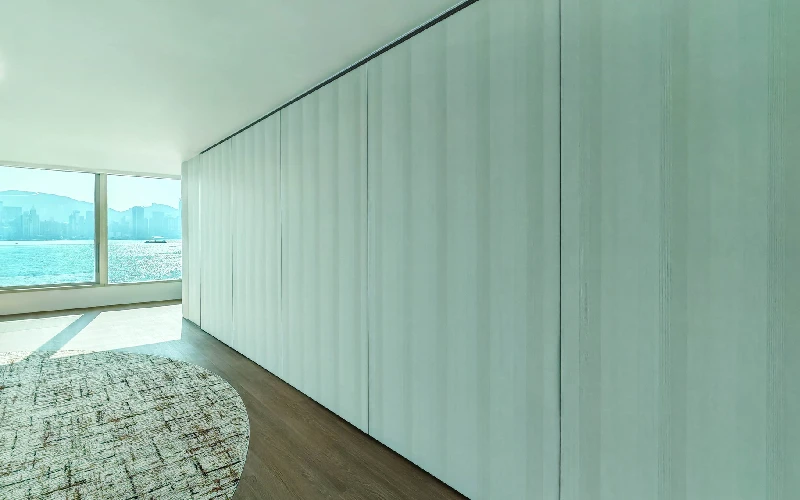
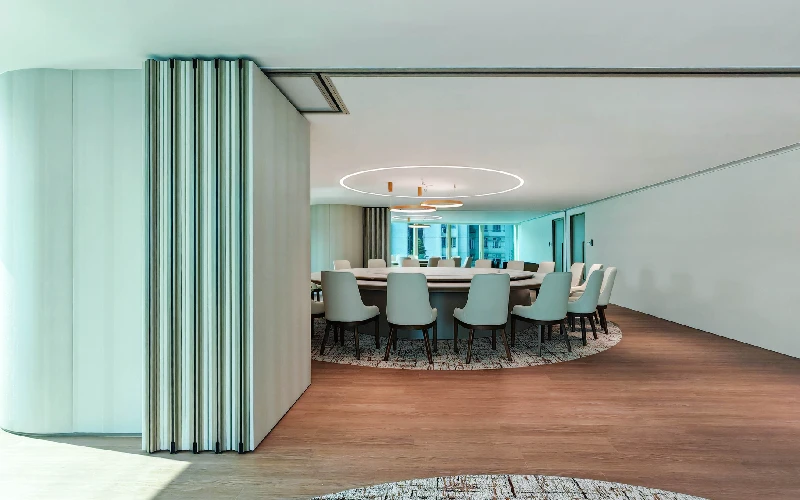
Typically installed with ceiling-mounted tracks, operable walls consist of multiple panels that can smoothly move along the track system. When closed, they create separate rooms with privacy and sound control. When opened, they allow multiple areas to merge into one larger space.
This flexibility makes operable walls ideal for environments where space requirements frequently change.
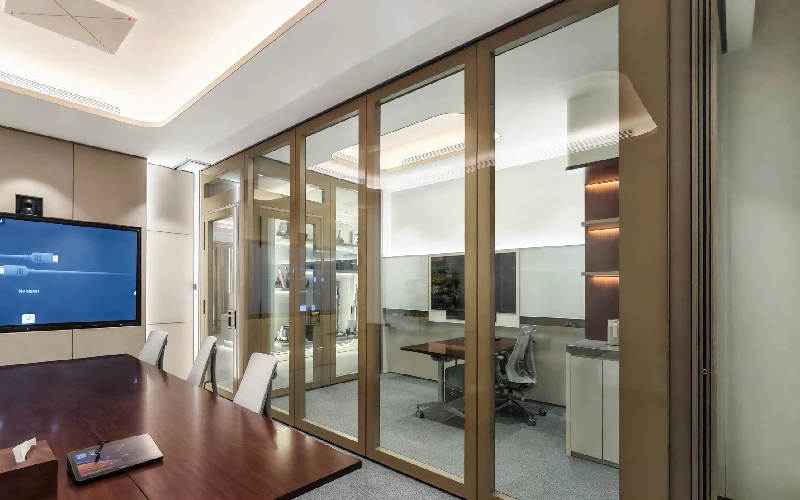
Creating Flexible Spaces for Modern Workplaces
The way people work has changed significantly in recent years. Open-plan offices encourage collaboration, but they can also create challenges such as noise distractions and a lack of privacy.
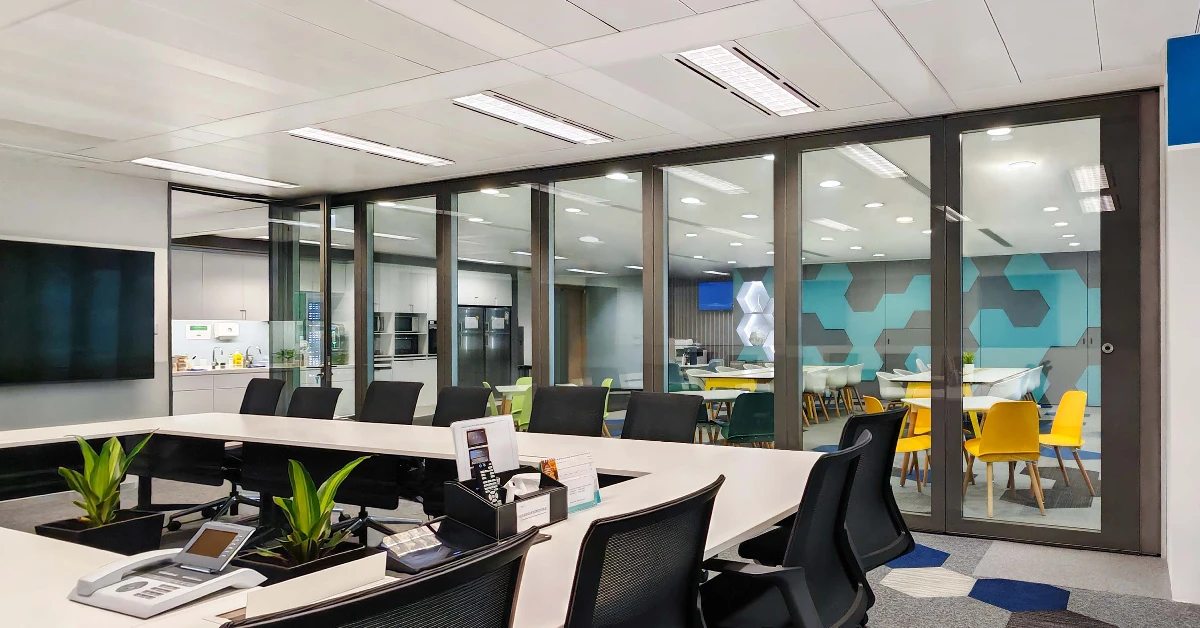
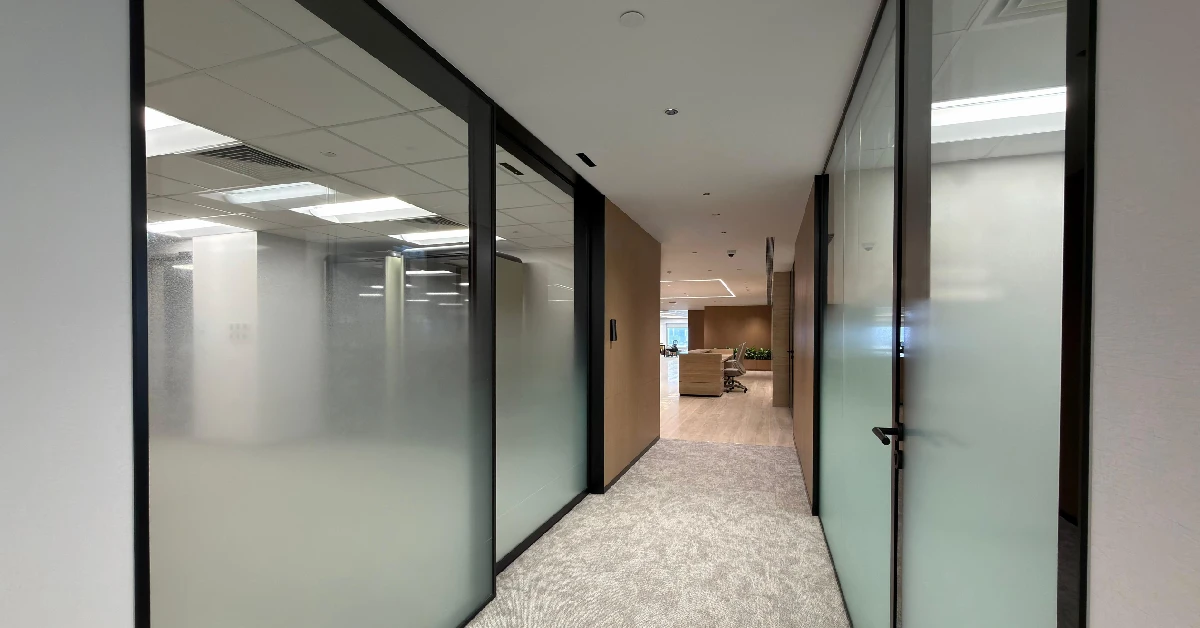
Operable wall systems help businesses achieve a balance between openness and separation. A large office area can easily transform into private meeting rooms, training spaces, collaboration zones, or quiet working areas when required.
For example, companies can use operable walls to:
- Create temporary meeting rooms for important discussions
- Expand conference areas for events and presentations
- Separate departments while maintaining a connected environment
- Adjust office layouts as teams grow or reorganize
This adaptability allows businesses to maximize their existing floor space while supporting different working styles.
Maximizing Space Efficiency in Commercial Buildings
Space is one of the most valuable resources in modern commercial environments. Instead of constructing additional rooms or expanding the building footprint, operable wall systems provide a practical way to increase space efficiency.
Hotels, convention centers, and event venues often require rooms with different capacities. A single ballroom, for example, may need to host a large conference in the morning and several smaller meetings later in the day.
With operable partition walls, one large area can quickly become multiple independent rooms, allowing facilities to accommodate various activities without permanent structural changes.
This flexibility improves operational efficiency and helps organizations make better use of their properties.
Enhancing Acoustic Privacy and User Comfort
A major advantage of high-quality operable wall systems is their ability to improve sound control. In spaces where privacy is important, such as offices, conference rooms, and educational facilities, effective acoustic performance helps create a more comfortable environment.
Modern operable walls are designed with sound-insulating materials and advanced sealing systems to reduce noise transmission between rooms. This allows different activities to happen simultaneously without significant disturbance.
Better acoustic control supports:
- Private conversations
- Focused work environments
- Professional meetings
- Comfortable learning spaces
By combining flexibility with acoustic performance, operable walls offer a complete solution for modern interior challenges.
Conclusion: Build Spaces That Adapt and Grow
The future of interior design is centered around flexibility, efficiency, and user experience. Operable wall systems make it possible to transform spaces quickly while maintaining privacy, comfort, and design quality.
By choosing operable partition solutions, architects, designers, and businesses can create interiors that are not only functional today but also prepared for tomorrow’s changing demands.