
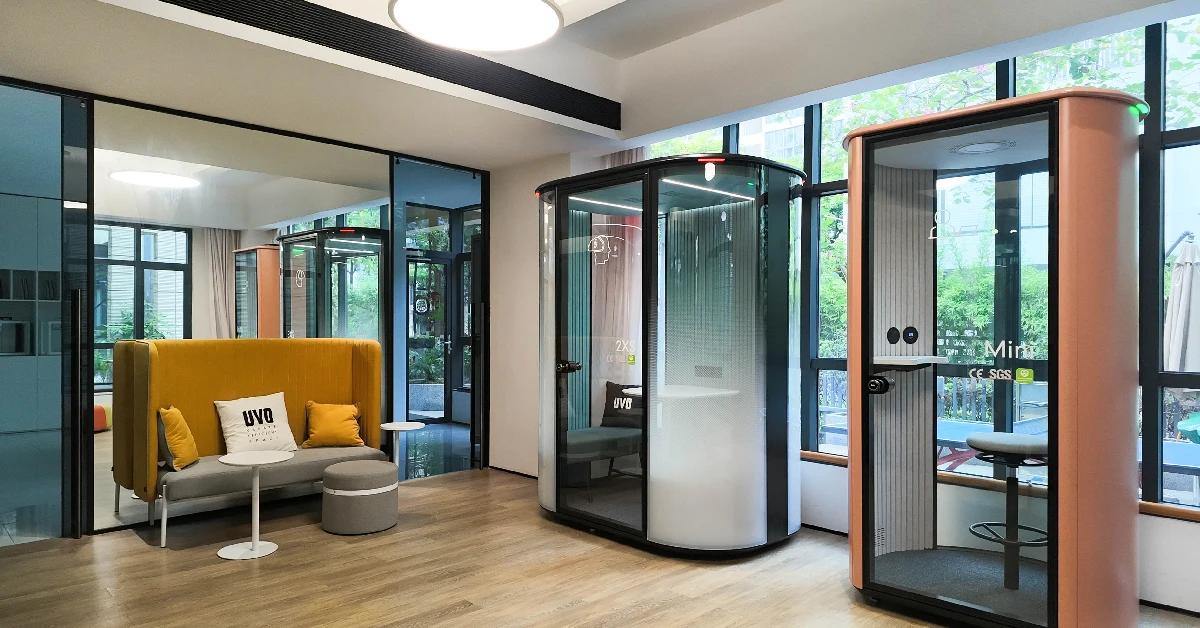
Introduction: From Fixed Space to Fluid Space
For decades, offices were designed as static environments—assigned desks, fixed meeting rooms, and permanent layouts. But modern work has changed faster than architecture can follow. Hybrid schedules, global teams, and constant digital communication have exposed a simple truth: traditional office design no longer fits how people actually work.
The next evolution is not about building bigger offices. It’s about building smarter systems of space.
The Shift Toward Modular Thinking
Instead of treating office space as something permanent, companies are beginning to treat it like infrastructure that can be rearranged. This is where modular design comes in.
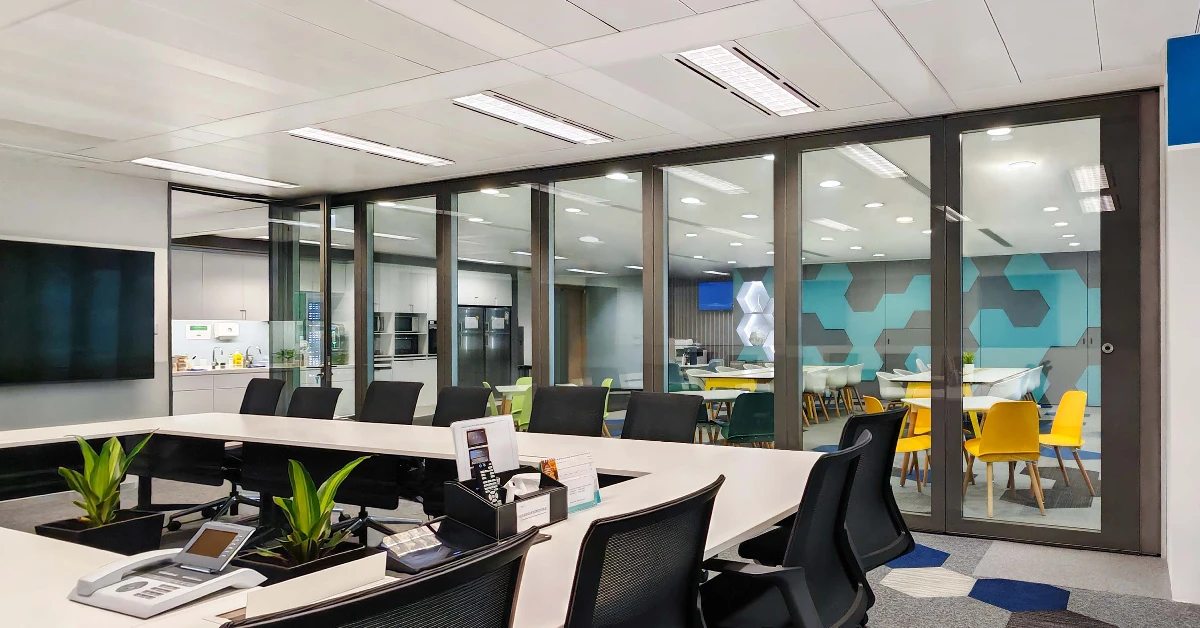
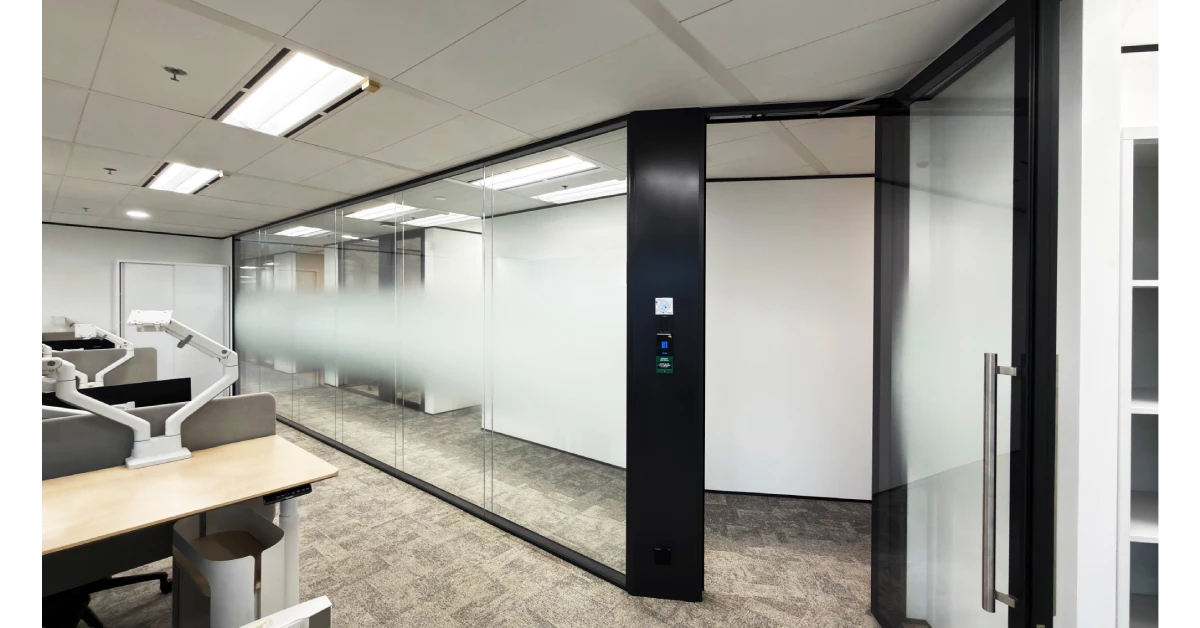
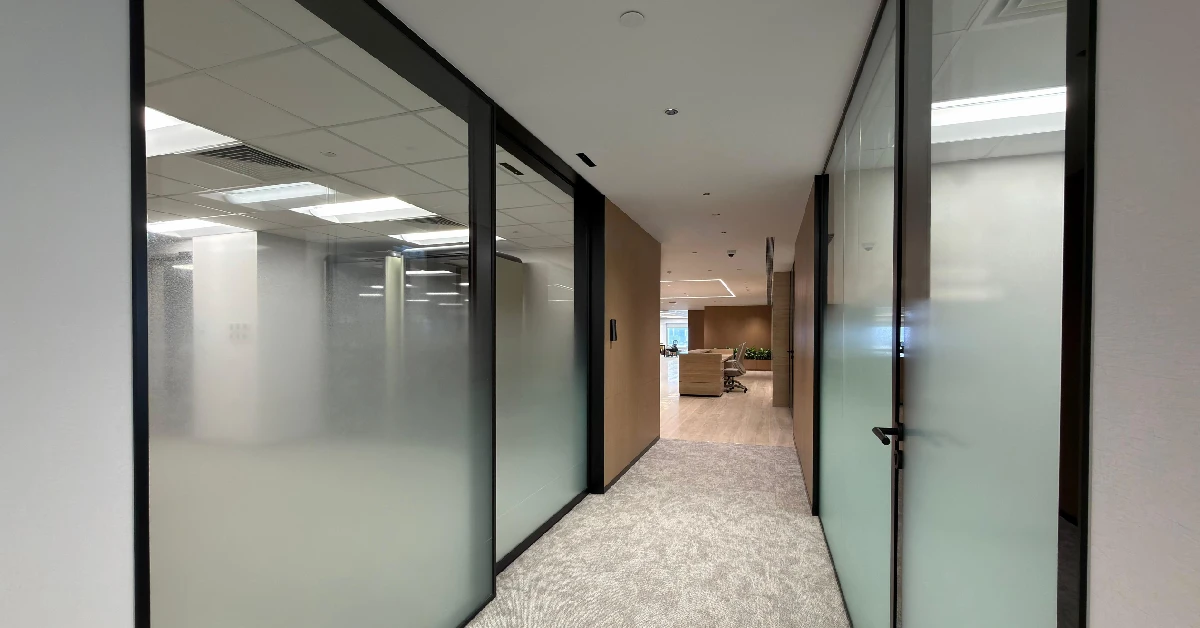
Modular systems allow spaces to be reconfigured without construction. Walls can move. Rooms can shrink or expand. And most importantly, privacy can be created exactly where and when it is needed.
Unlike traditional renovations, modular design reduces downtime, cost, and disruption. It gives companies the ability to respond quickly to change instead of being locked into outdated layouts.
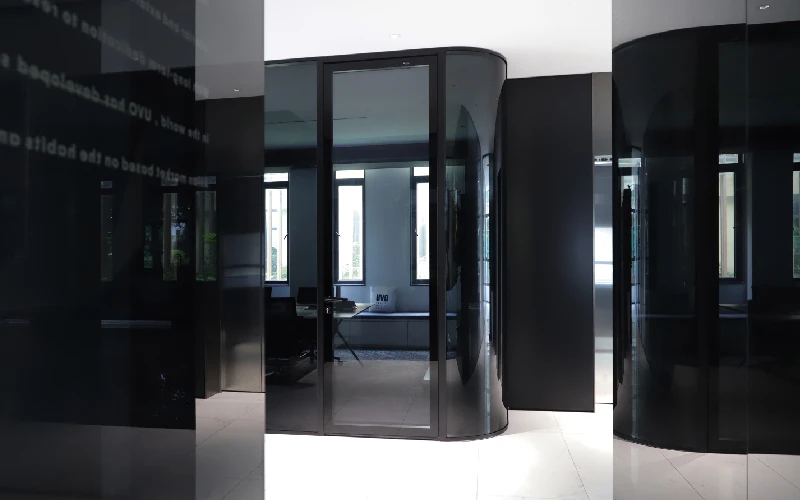
Why Acoustic Privacy Has Become Essential
Open-plan offices were once seen as the future of collaboration. In reality, they introduced a new problem: constant noise and lack of focus.
Employees today need both collaboration and deep work, often within the same day. Without acoustic privacy, productivity suffers.
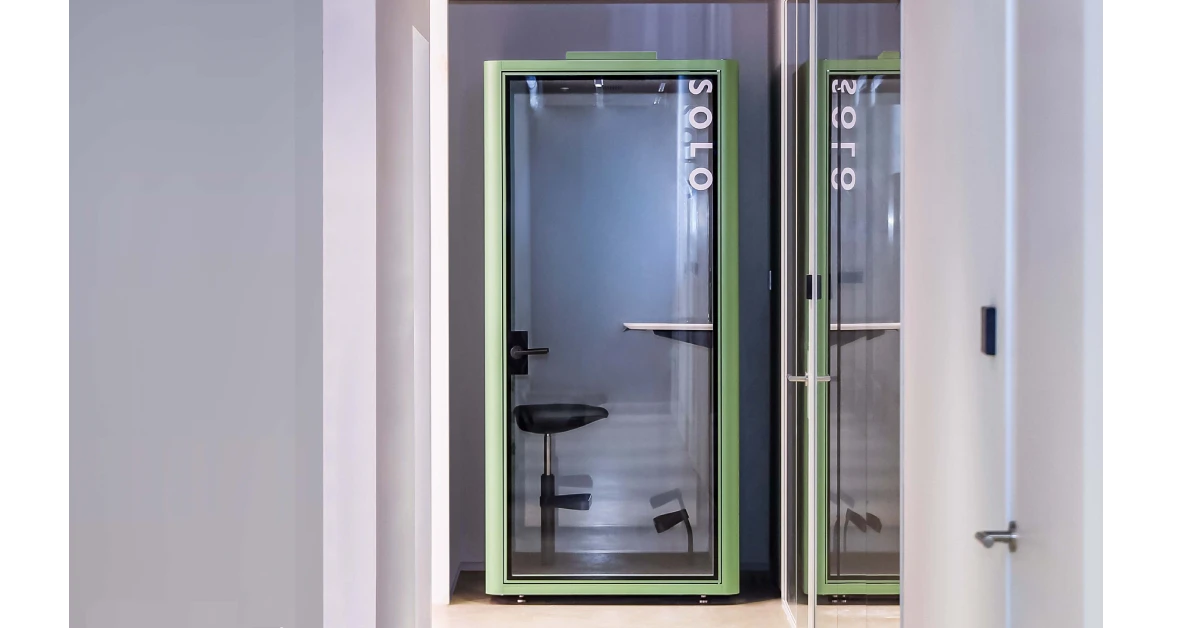
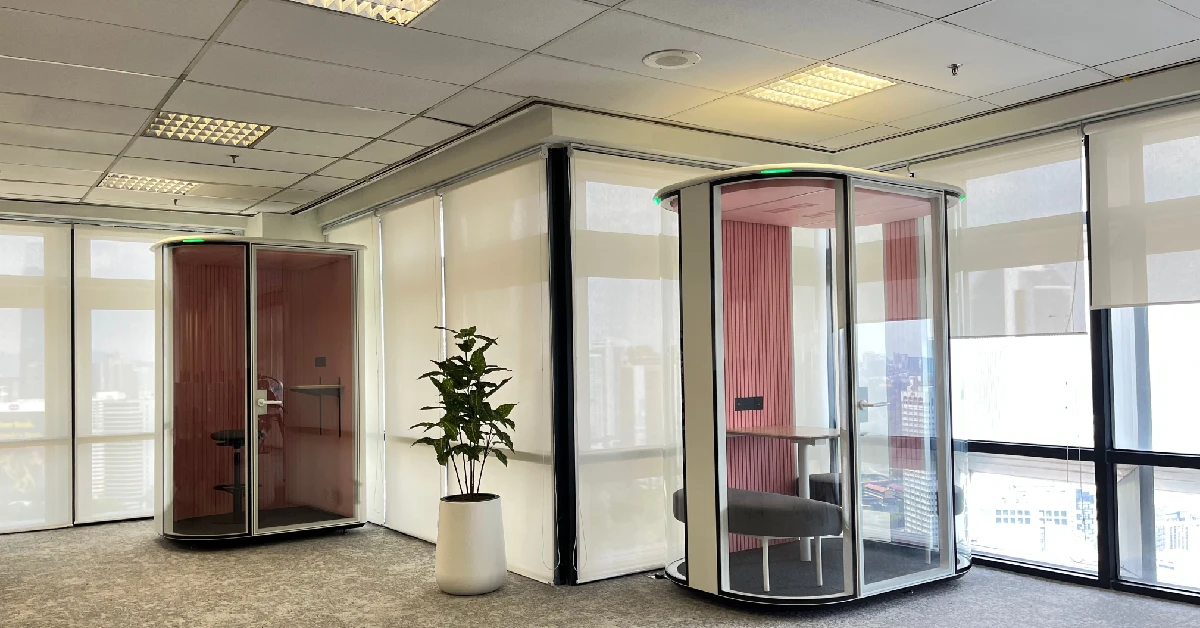
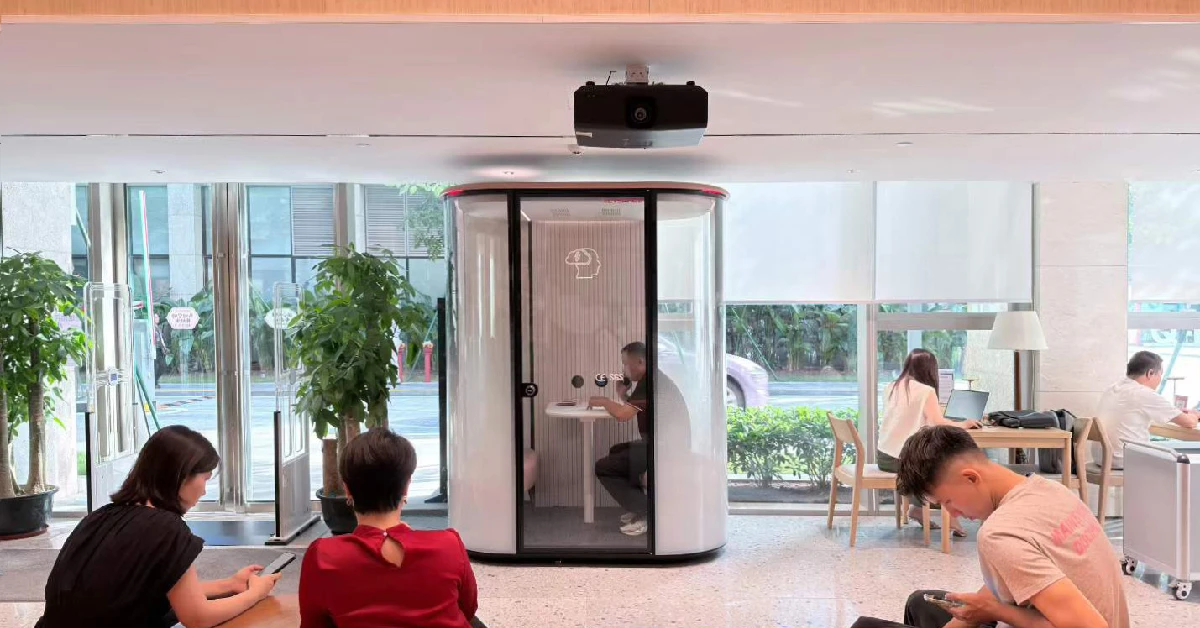
This is why acoustic pods and enclosed booths have become a critical part of modern workplaces. They offer:
- Instant sound isolation for calls and meetings
- A distraction-free environment for focused work
- Private spaces without permanent walls
Rather than redesigning entire floors, companies can now solve noise problems at the source.
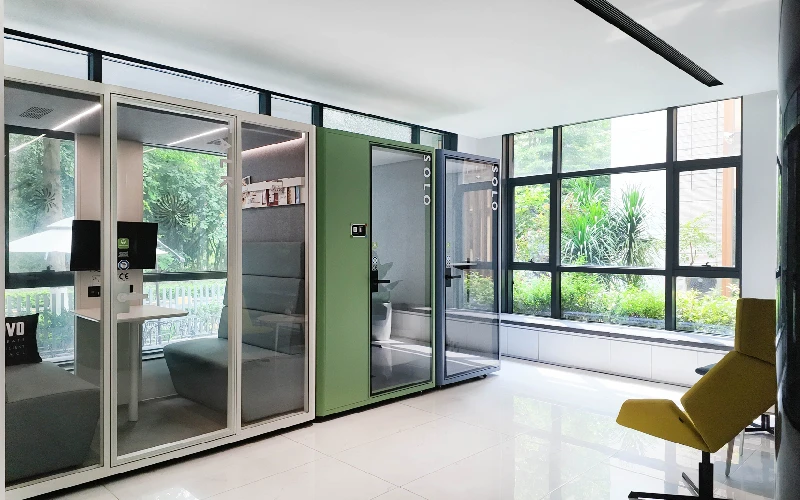
The Rise of “Space-on-Demand” Workplaces
One of the most important changes in workplace design is the idea of “space-on-demand.”
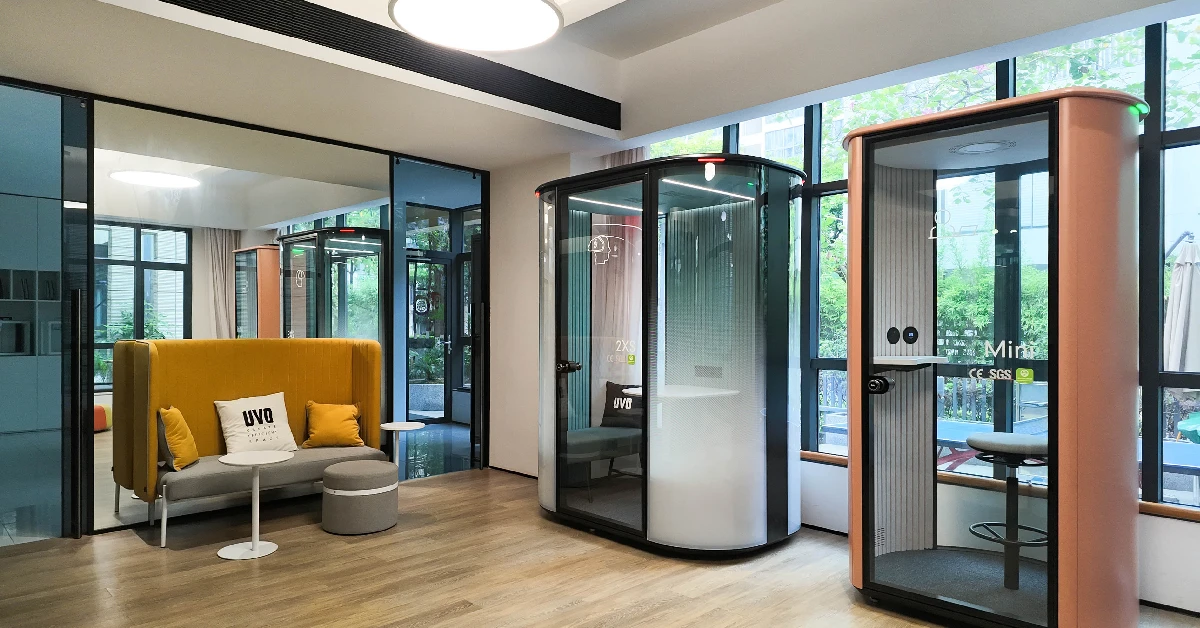
Instead of assigning fixed rooms for specific purposes, companies now use flexible units that serve multiple functions:
- A quiet booth for video calls in the morning
- A small meeting pod in the afternoon
- A focus space for deep work at any time
This flexibility supports hybrid work models where usage patterns change daily. The office becomes a living system rather than a static environment.
Employee Experience Is the New Productivity Metric
Modern workplace design is no longer judged only by capacity or aesthetics. The real measure is experience.
Employees expect environments that support concentration, comfort, and control over their surroundings. When they can choose where and how to work—open space, private booth, or meeting pod—performance naturally improves.
Good design today is invisible. It removes friction instead of adding structure.
Conclusion: Designing for Adaptability
The future office is not defined by how it looks, but by how it adapts. Organizations that invest in flexible, modular environments are not just improving design—they are building resilience.
As work continues to evolve, the most successful workplaces will be those that can change as fast as the people inside them.