
The way people work has changed dramatically over the past decade, and office design is under increasing pressure to keep up. Open-plan offices were once seen as the ideal solution for encouraging collaboration and transparency, but many organizations now recognize their limitations. Noise distractions, lack of privacy, and insufficient spaces for focused work have become common challenges. As hybrid work models continue to reshape how and where people work, office design must evolve to support a wider range of activities, behaviors, and employee needs.
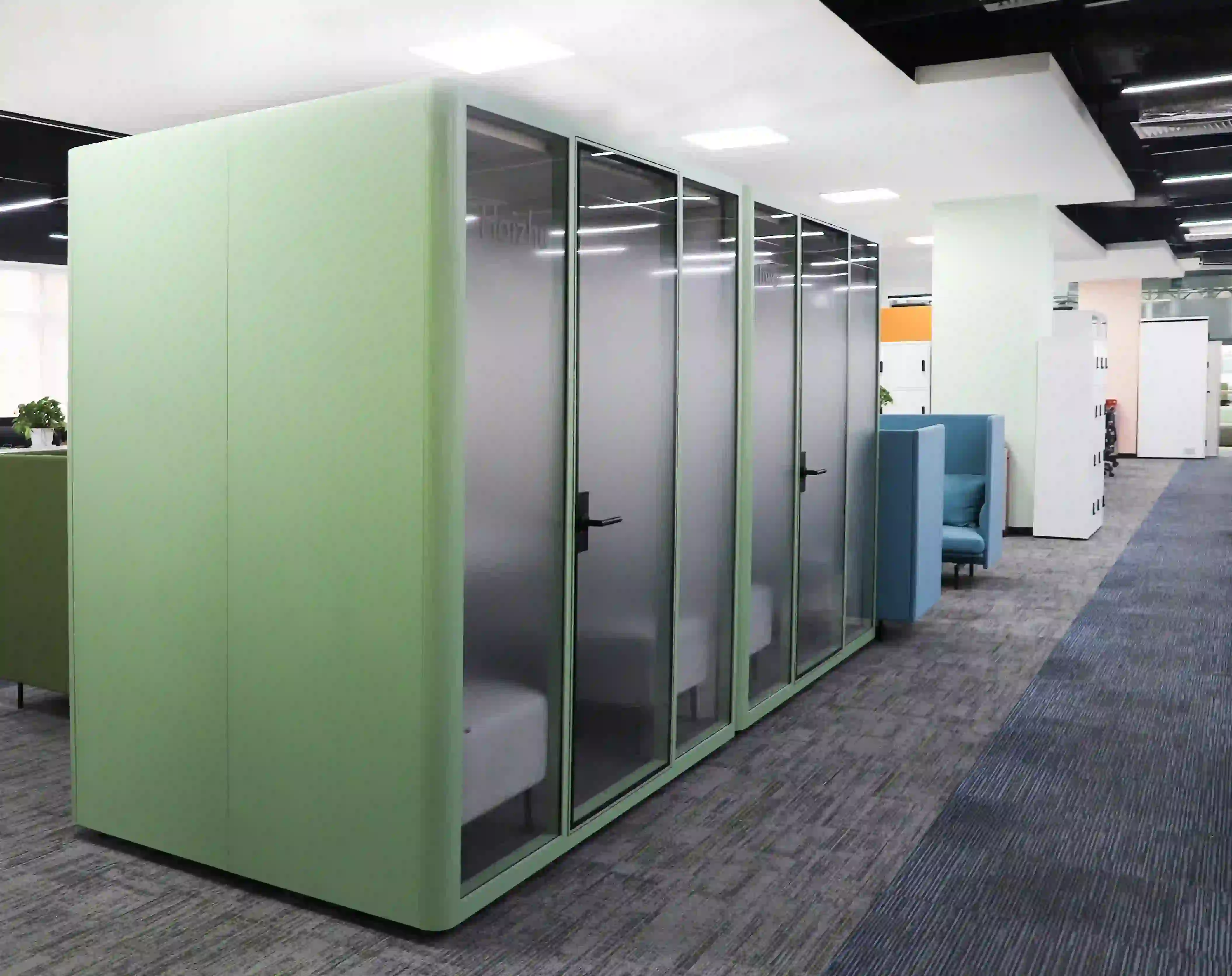
Open-plan offices were designed to encourage collaboration, but they often introduce new challenges—constant noise, lack of privacy, and limited spaces for focused work. As hybrid work becomes the norm, organizations are rethinking how their offices support different work styles. Office phone booths have emerged as a practical solution, offering flexible, acoustically controlled spaces within open environments.
The Limitations of Traditional Open-Plan Offices
Open-plan offices are effective for informal communication and teamwork, but they are not suitable for every type of work. Employees today regularly switch between collaborative discussions, video meetings, focused individual tasks, and confidential conversations. In a fully open environment, these different activities often compete with one another.
Background noise can interrupt phone calls and virtual meetings, while constant movement and visual distractions make it difficult to concentrate. Employees may resort to wearing headphones or searching for empty meeting rooms, which can create frustration and reduce productivity. Over time, these challenges can negatively impact employee engagement, satisfaction, and overall workplace experience.
Hybrid Work and the Need for Flexible Spaces
Hybrid work has fundamentally changed the role of the office. Instead of being a place where employees simply sit at desks all day, the office is now a destination for collaboration, connection, and focused work that may not be possible at home. This shift requires more flexible and adaptable spaces that can support a variety of work modes.
Employees may come into the office for team meetings, brainstorming sessions, or video calls with remote colleagues, while still needing quiet areas for individual tasks. A one-size-fits-all layout no longer works. Offices must be designed to accommodate changing team sizes, evolving workflows, and different levels of interaction throughout the day.
Adaptability as a Core Office Design Principle
Adaptability has become a defining principle of modern workplace design. Rather than relying solely on permanent walls or fixed layouts, adaptable offices use a combination of modular elements that can be adjusted as needs change.
Partitions play a key role in this approach
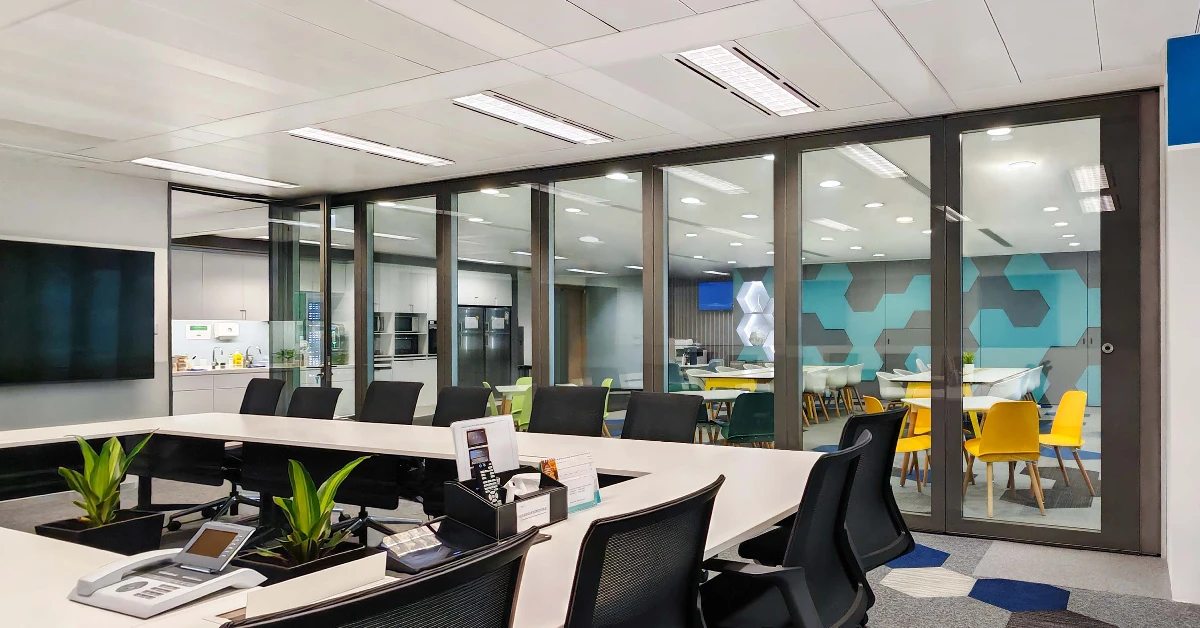
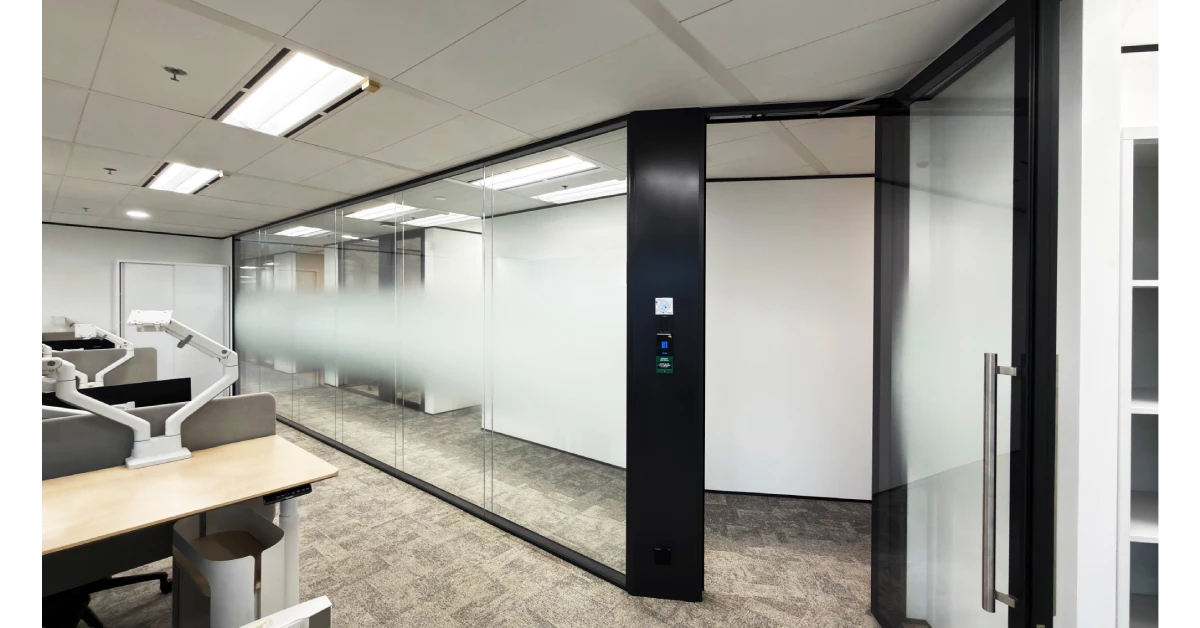
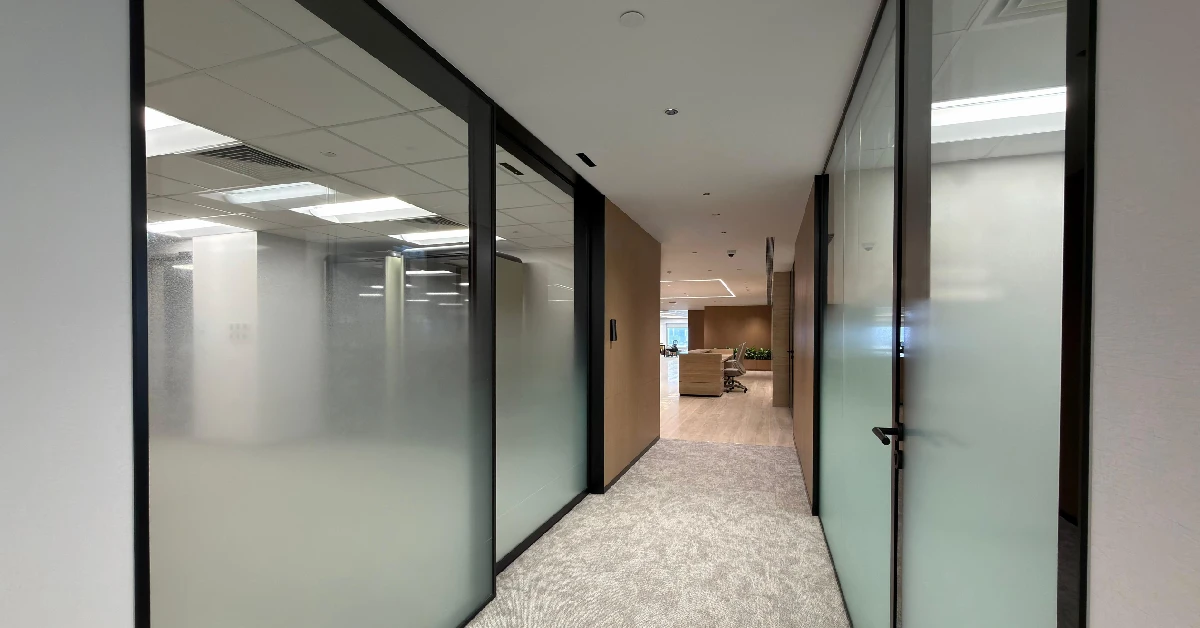
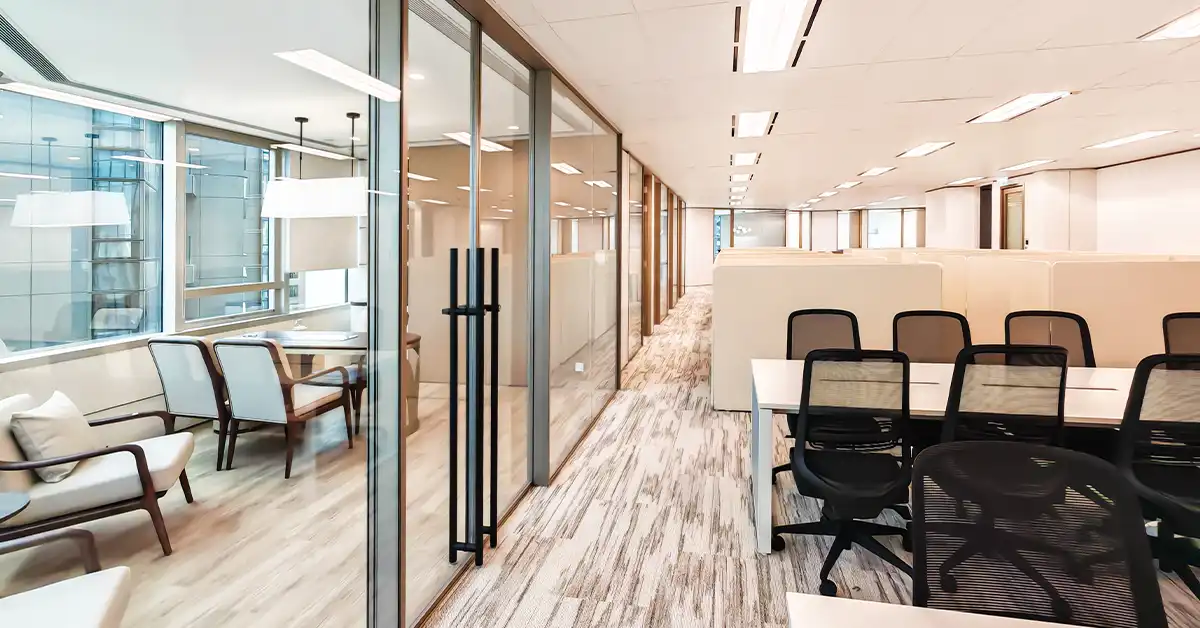
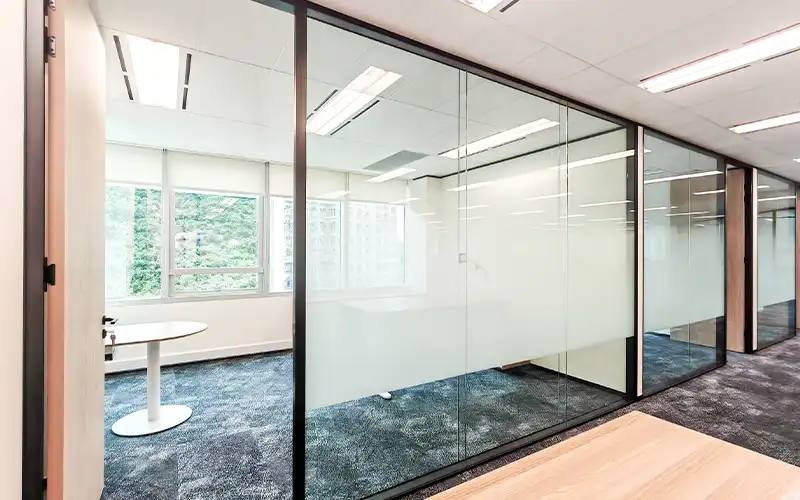
Unlike permanent construction, modern office partitions allow organizations to define zones, control noise, and guide movement—without sacrificing flexibility. Partitions can be used to separate team areas, create semi-private collaboration spaces, or reduce visual distractions, while still maintaining openness and natural light.
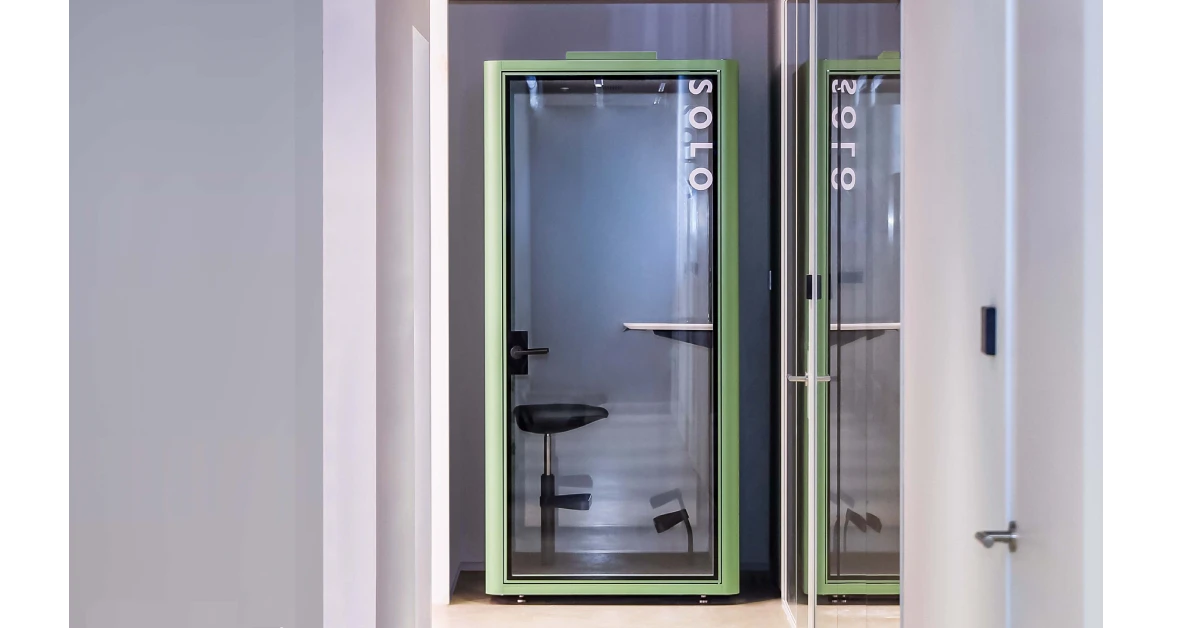
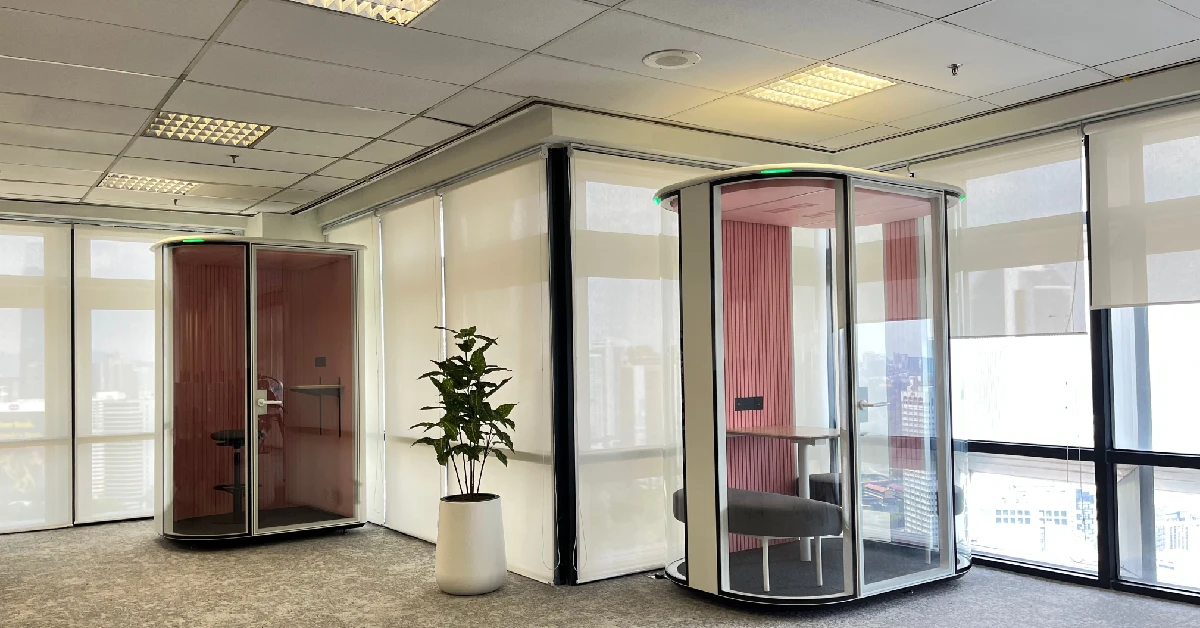
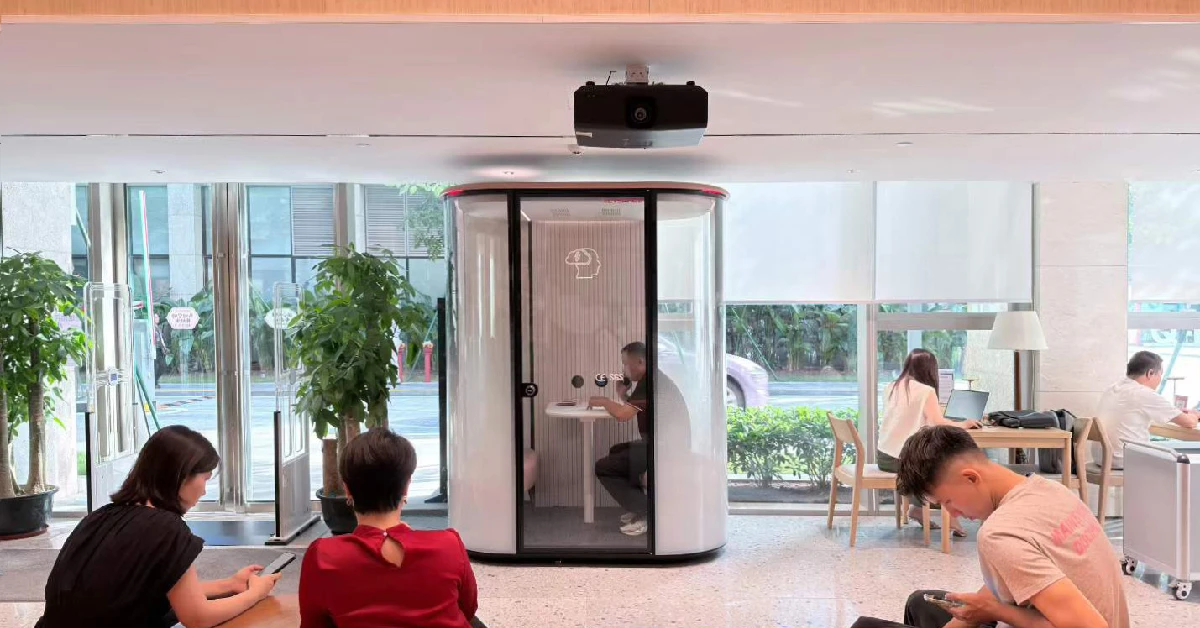
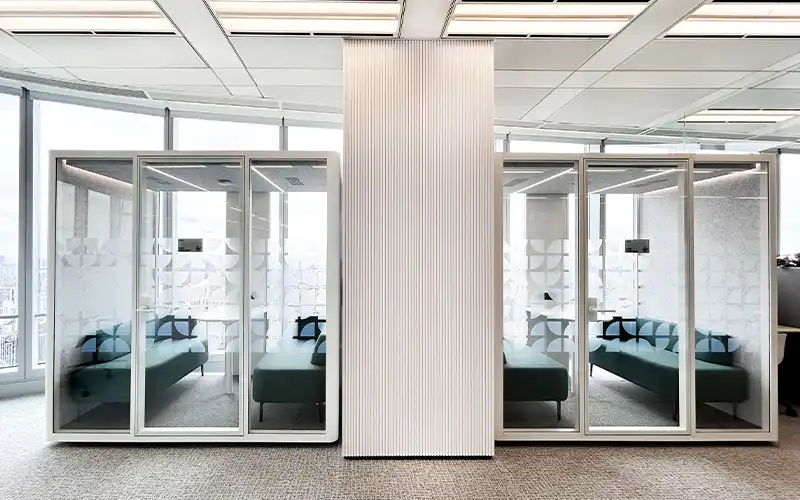
Office phone booths and working pods complement partitions by providing fully enclosed spaces for tasks that require a higher level of acoustic and visual privacy. Together, these solutions create layered environments that support both collaboration and focused work.
Supporting Focused Work and Privacy
Focused work remains a critical part of most roles, even in highly collaborative environments. Tasks such as writing, analysis, planning, or reviewing documents require concentration and minimal interruptions.
Partitions help establish quieter zones within open offices, offering visual boundaries and reducing noise spillover. For moments that require complete isolation—such as confidential calls or deep-focus tasks—office phone booths provide an additional layer of privacy through acoustic separation.
Privacy is no longer limited to closed offices. By combining partitions with enclosed booths, workplaces can offer employees choice and control over how and where they work, supporting a healthier sense of work-life separation during the day.
Supporting Calls and Video Meetings
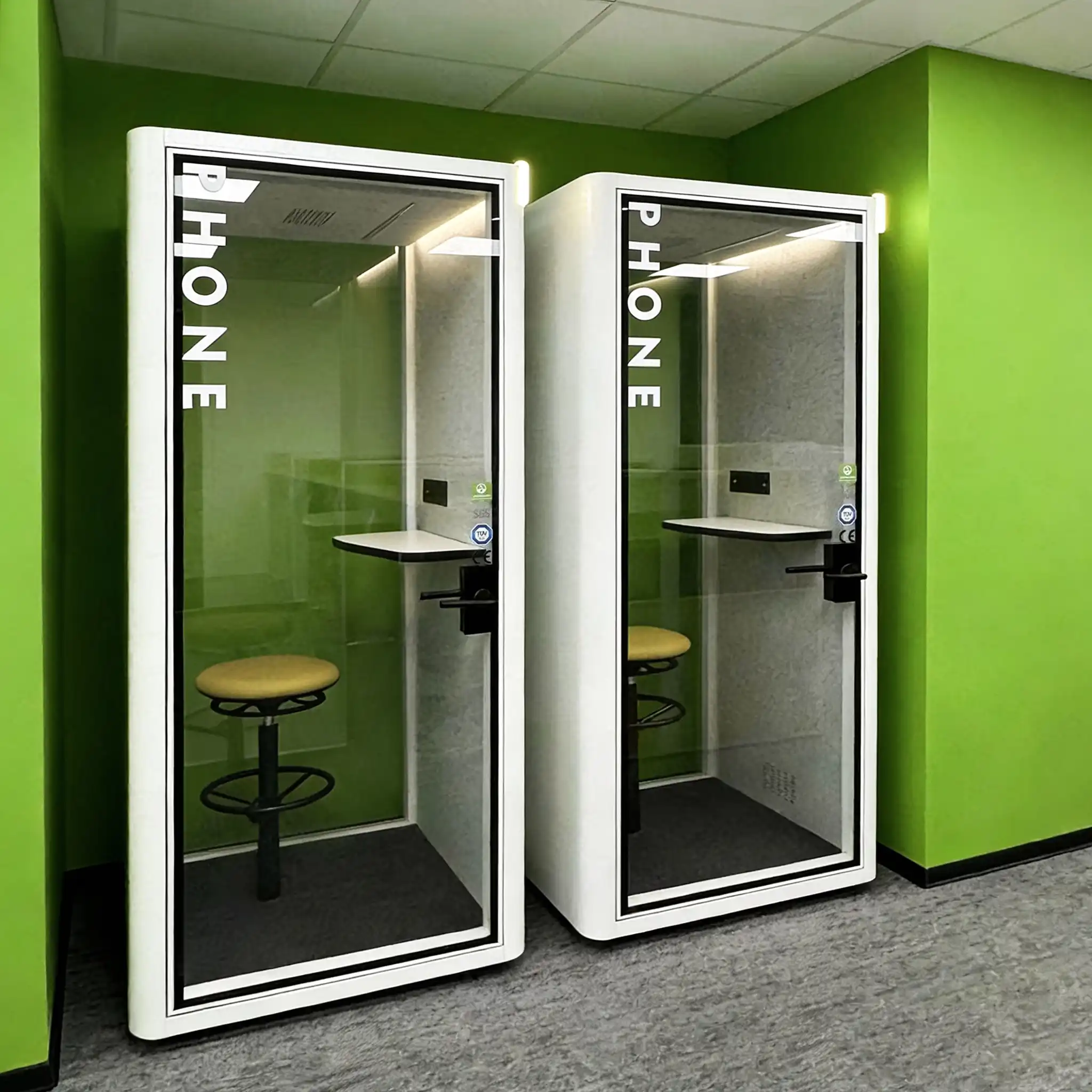
One of the most common uses of office phone booths is for phone calls and video meetings. In open offices, background noise can disrupt conversations and reduce professionalism during client calls.
While partitions help minimize general noise across the office, phone booths provide acoustically treated environments that allow employees to speak clearly without disturbing others. This combination is especially effective in hybrid offices, where virtual meetings are a daily necessity.
Enhancing Workplace Culture and Employee Experience
An adaptable office sends a clear message about workplace culture. When employees have access to spaces that reflect how they actually work, they are more likely to feel valued and engaged.
Partitions support collaboration by organizing space without isolating teams, while phone booths ensure privacy and focus when needed. Together, they create a balanced environment that supports different personalities, working styles, and levels of interaction.
Well-designed acoustic solutions also reduce stress caused by constant noise and interruptions. Rather than forcing employees to adapt to the office, adaptable design allows the office to adapt to the people using it.
Conclusion
As ways of working continue to evolve, office design must adapt accordingly. Traditional open-plan layouts alone are no longer sufficient to support hybrid work, focused tasks, and employee wellbeing.
By integrating flexible solutions such as office partitions, phone booths,organizations can create workplaces that balance collaboration with privacy and concentration. An adaptable office not only supports productivity but also fosters a more positive, resilient, and future-ready workplace culture.