
Office Workspace Design Trends for 2026
Office spaces in 2026 are moving toward simpler, more human-centered designs. Instead of overcomplicated layouts or heavy technology focus, companies are prioritizing comfort, flexibility, and practicality. The goal is to create spaces where people can work efficiently, collaborate easily, and feel comfortable throughout the day.
Below are the key trends shaping office design in 2026.
1. Flexible and Multi-Use Layouts
Offices are shifting away from fixed seating and rigid floor plans. Instead, spaces are designed to be flexible and easy to adjust.
- Open collaboration areas for teamwork
- Quiet zones for focused tasks
- Movable furniture for different needs
- Shared desks instead of assigned seating
This approach helps companies make better use of space while supporting different working styles.
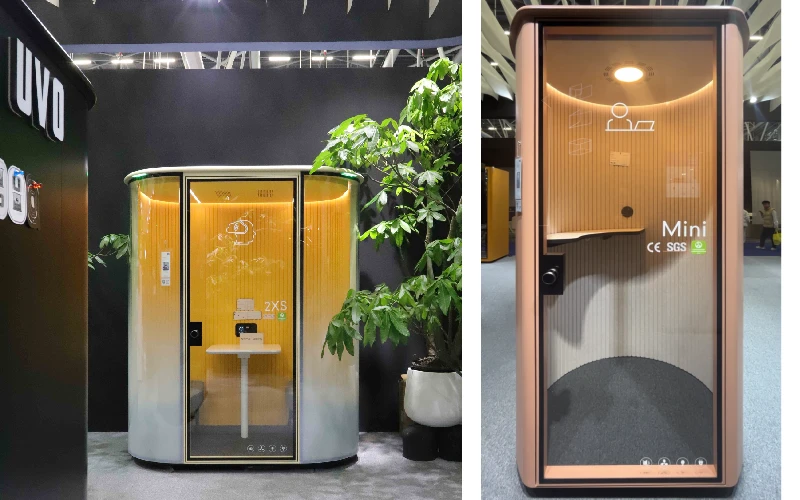
2. Strong Focus on Acoustic Privacy
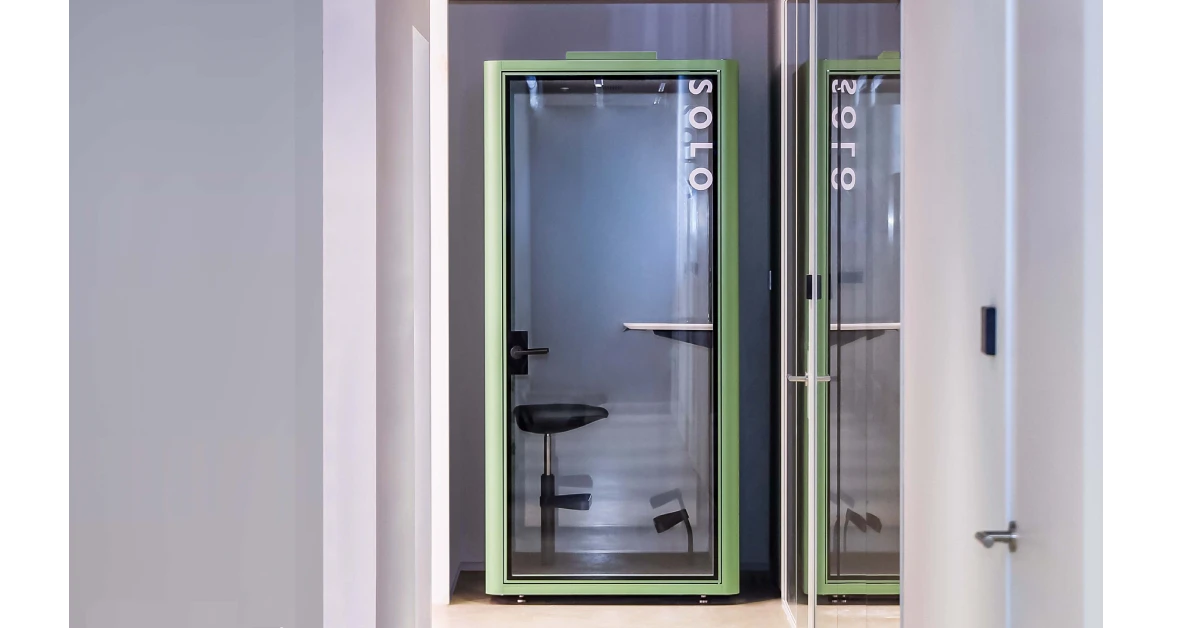
Noise is still one of the biggest challenges in modern offices. To solve this, more companies are adding simple acoustic solutions.
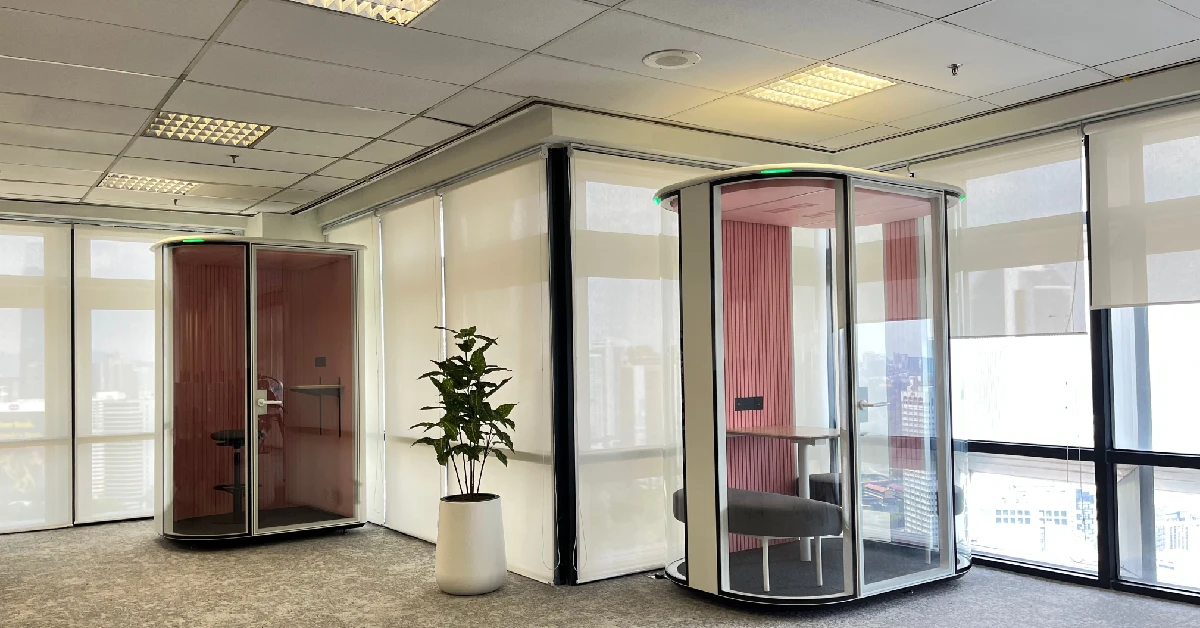
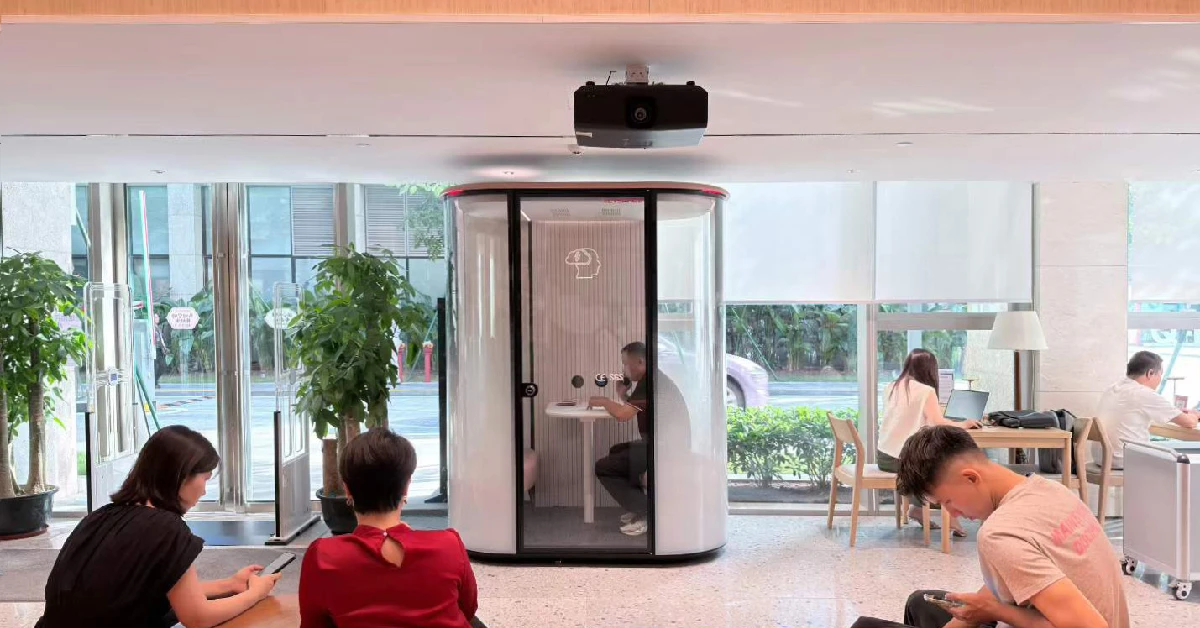
- Private pods for phone calls
- Small enclosed meeting spaces
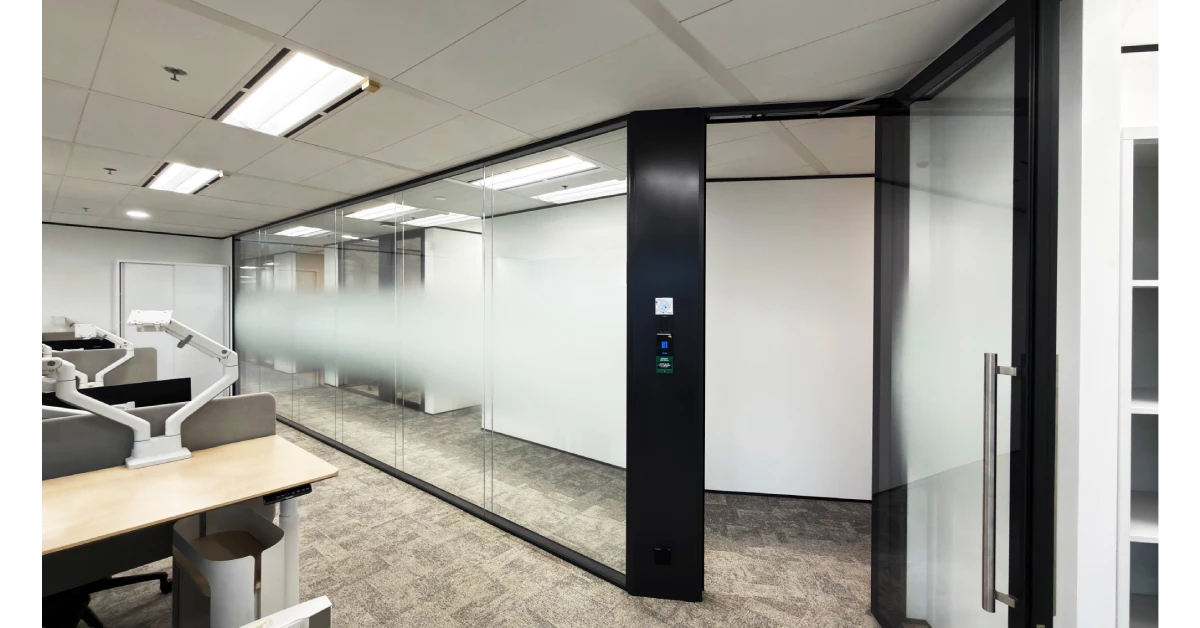
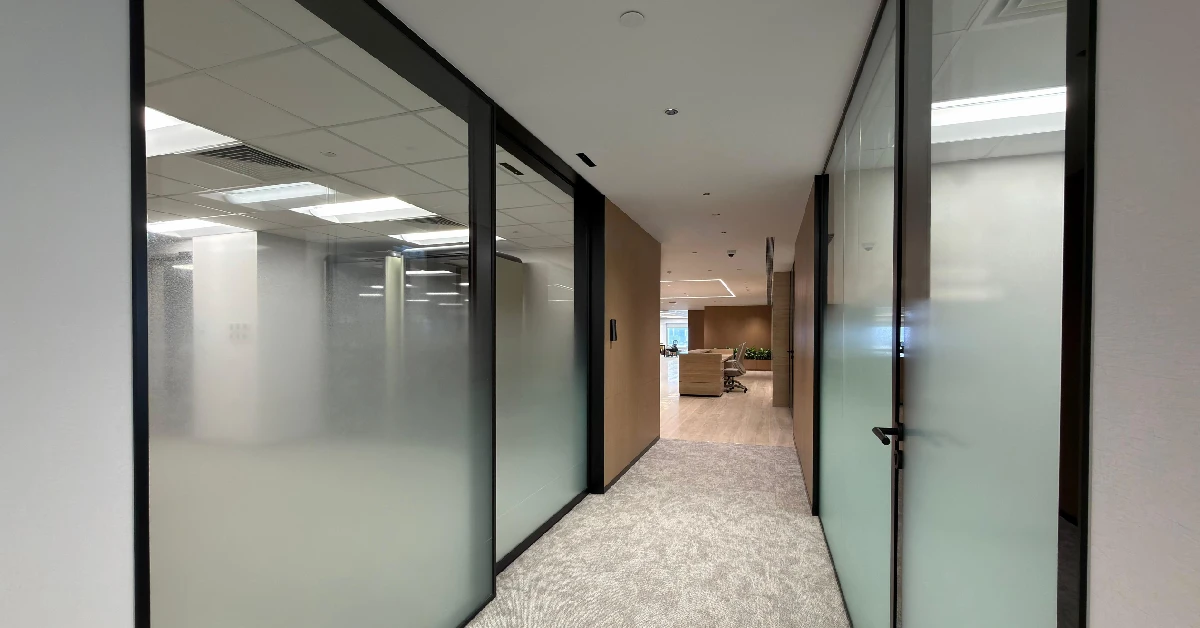
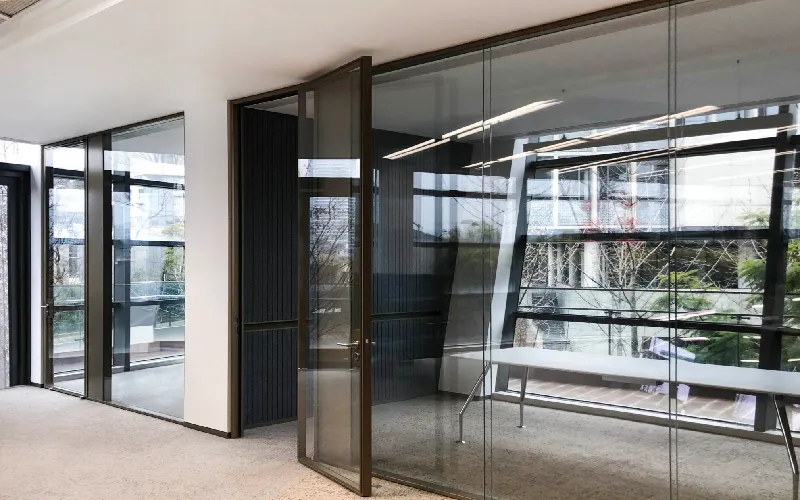
- Sound-reducing partitions in open areas
These spaces give employees a quiet place to focus without needing full meeting rooms or permanent walls.
3. Wellness-Oriented Work Environments
Employee comfort and wellbeing are becoming central to office design.
- Natural light wherever possible
- Indoor plants and natural materials
- Comfortable, ergonomic seating
- Relaxation corners or quiet rest areas
Quiet office pods help create a calmer and more balanced workplace.
4. Simpler, Sustainable Materials
Sustainability is influencing design choices in a practical way, without unnecessary complexity.
- Recycled and durable materials
- Long-lasting modular furniture
- Energy-saving lighting solutions
- Minimal waste in office construction
The focus is on durability and responsible material use rather than over-design
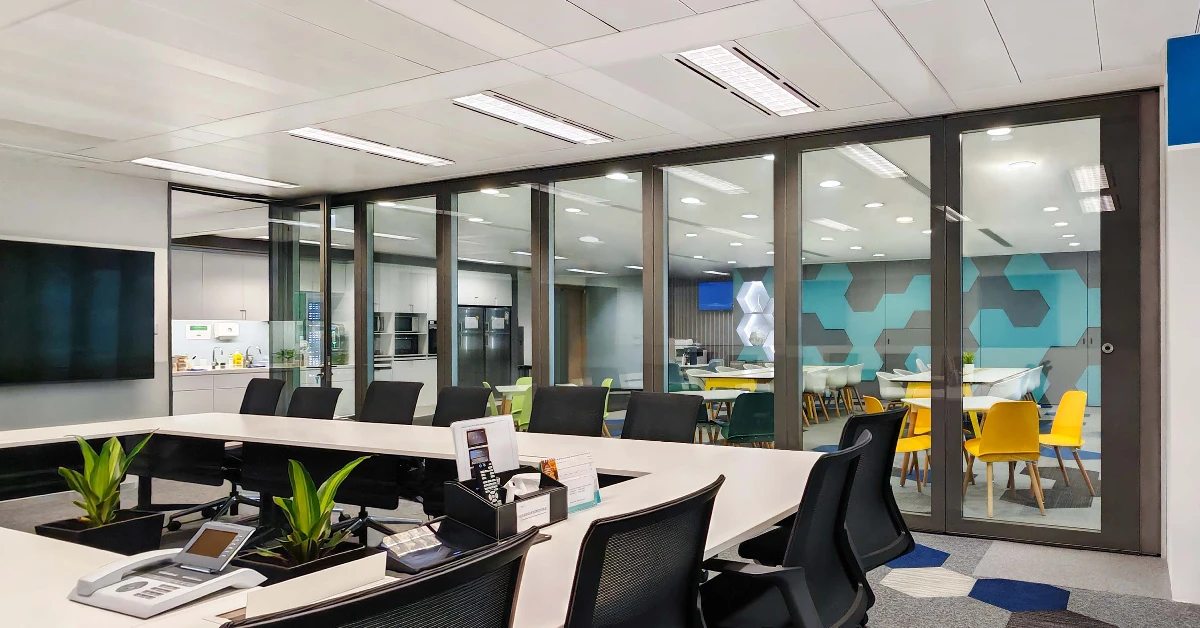
5. More Efficient Meeting Spaces
Large meeting rooms are being replaced with more practical options.
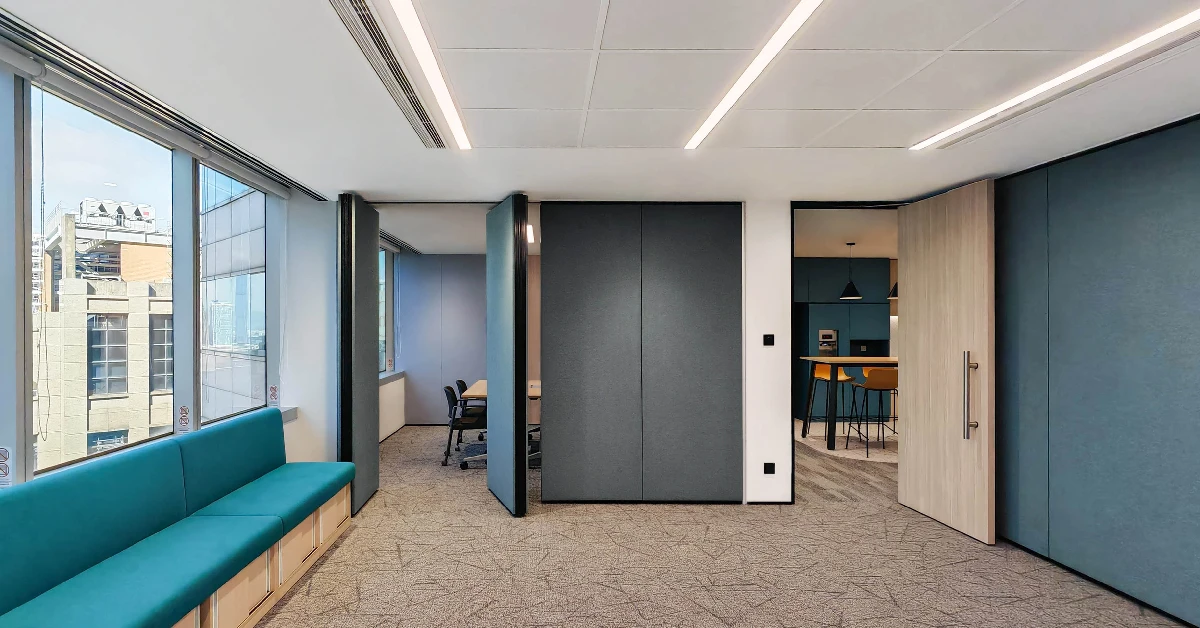
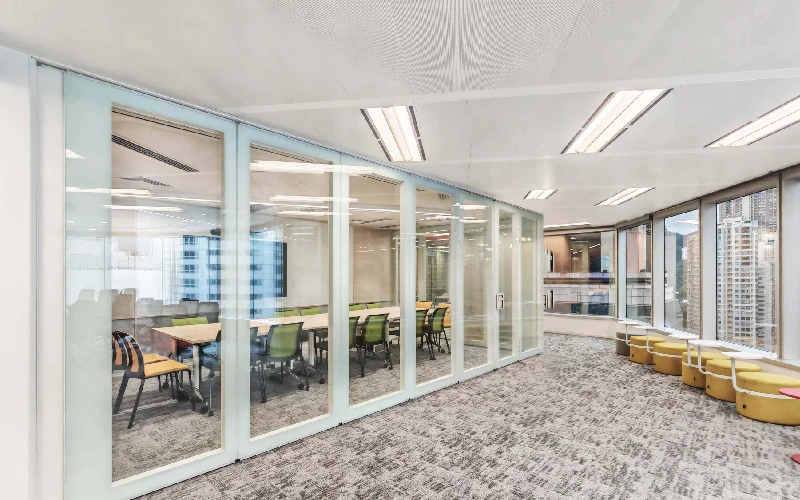
- Operable partition for saving spaces
- Better space efficiency without permanent construction
- Private focus rooms for team meeting
- Flexible layouts that adapt to different team needs
This shift helps offices save space and better match how people actually work.
Conclusion
Office design in 2026 is becoming more practical and people-focused. Instead of large, rigid layouts, companies are choosing flexible spaces, quiet zones, wellness elements, and simpler materials. The modern workplace is no longer about size or complexity — it’s about creating an environment that supports everyday work in a comfortable and efficient way.