
The way we work has undergone dramatic changes over the past decade. Remote work, hybrid schedules, and shifting employee expectations have challenged the traditional concept of the office. What once revolved around fixed desks, rigid schedules, and static layouts is now evolving into something far more adaptable.
Today, flexibility is no longer just a workplace perk—it’s becoming a foundational principle of modern office design. Companies are rethinking how spaces function, creating environments that can easily shift between collaboration, focused work, and social interaction. This transformation is shaping what many experts describe as the future workplace.
But what does a truly flexible office look like? And why is adaptability becoming so essential?
The Shift Toward a More Dynamic Workplace
For decades, office environments followed a predictable structure: assigned desks, uniform layouts, and clearly separated meeting rooms. While this model provided order, it often failed to accommodate the evolving needs of modern employees.
The rise of hybrid work has accelerated the need for more adaptable spaces. Many professionals now split their time between home and the office, which means workplaces must support different types of activities rather than a single routine. Flexible environments allow organizations to accommodate fluctuating occupancy levels and varied work styles without sacrificing efficiency.
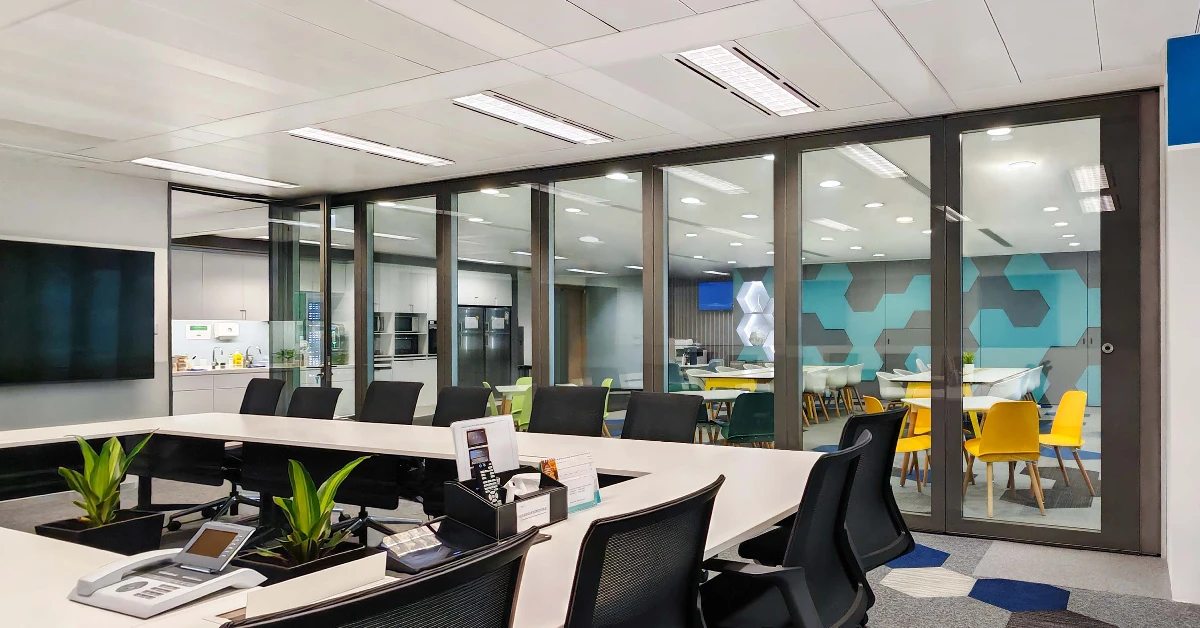
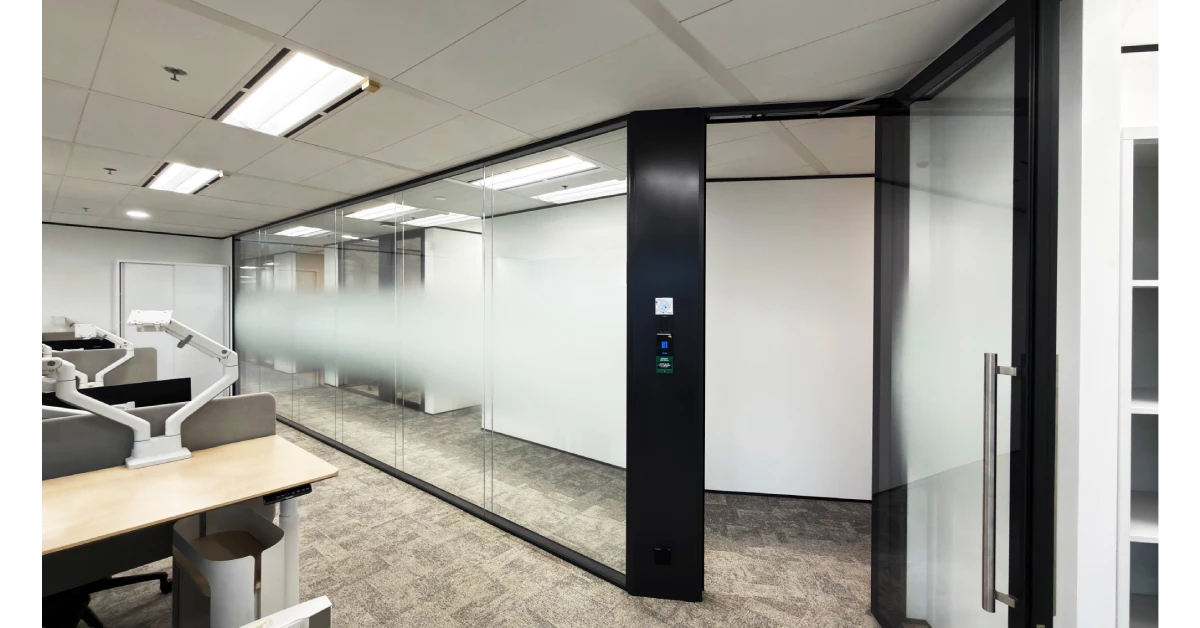
In response, companies are moving away from rigid office layouts and embracing designs that can be reconfigured quickly. Movable furniture, modular partitions, and multi-purpose areas make it possible to transform a workspace within hours rather than months.
This shift reflects a broader realization: the modern office must evolve alongside the people who use it.
Why Flexibility Matters in Office Design
Flexibility is becoming one of the most important design priorities because it addresses several workplace challenges simultaneously.
- Flexibility helps organizations adapt to change.
- Flexible spaces enhance employee experience.
- Flexibility can improve space efficiency.
- Flexibility supports collaboration across teams.
- Flexibility future-proofs the office for growth or downsizing.
- Flexibility reduces long-term operational costs.
- Flexibility supports diverse work styles.
In this context, flexibility becomes not just a design trend but a strategic advantage.
The Rise of Modular and Movable Workspaces
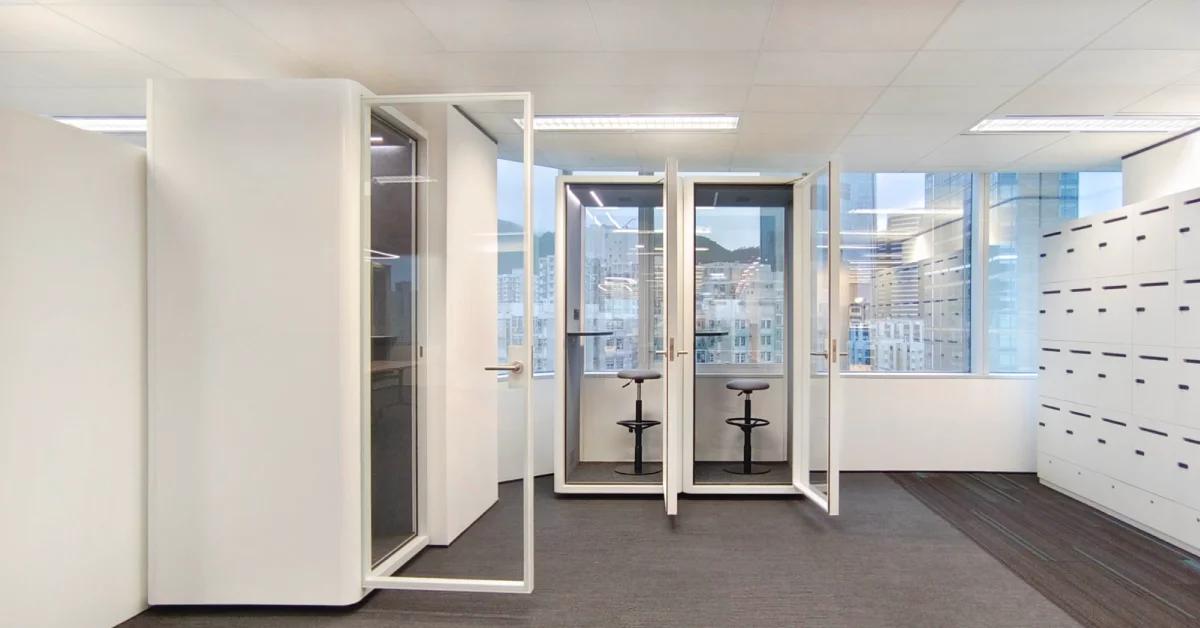
One of the most significant innovations in modern office design is modular architecture. Instead of constructing permanent walls or fixed layouts, many organizations are adopting prefabricated systems that can be assembled, moved, or expanded as needed.
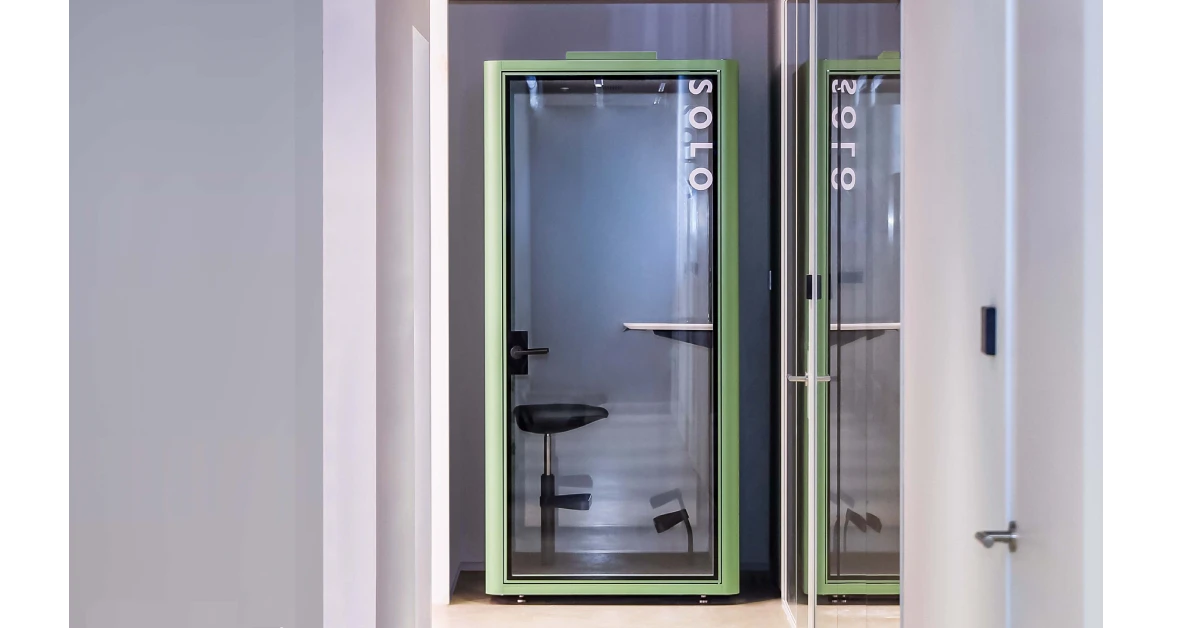
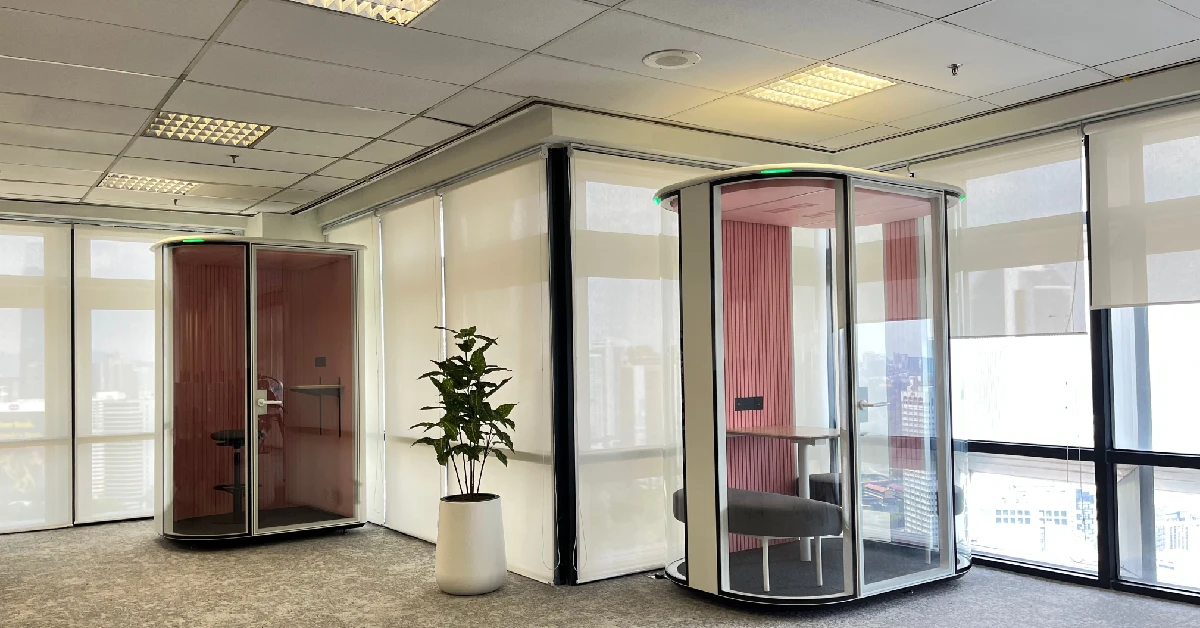
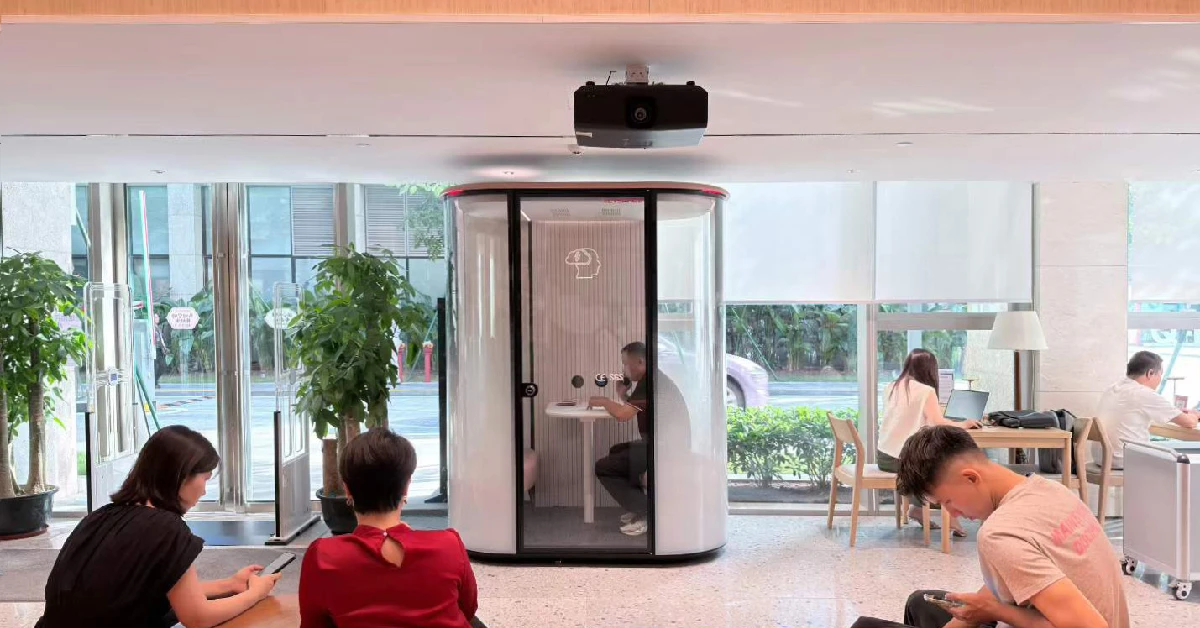
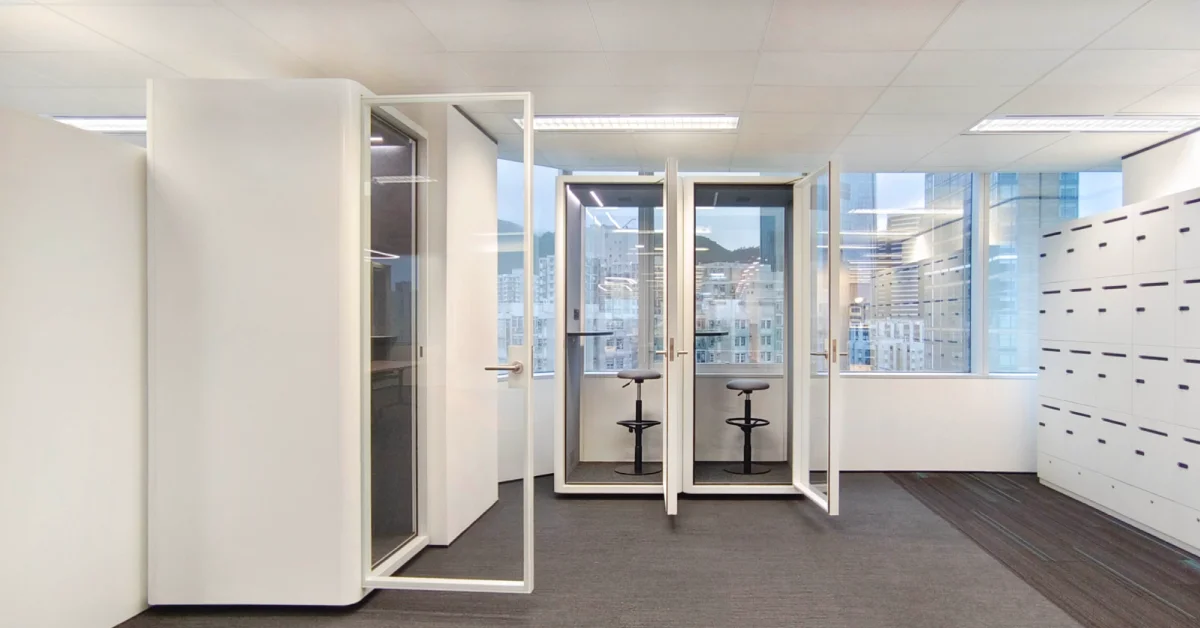
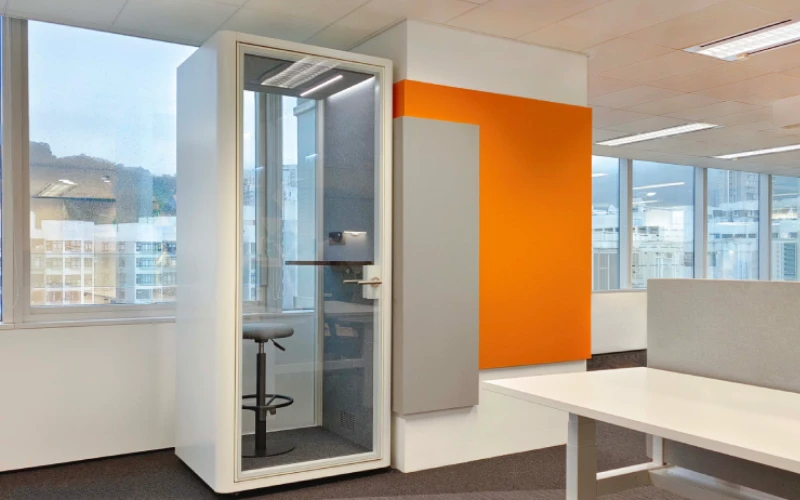
Modular meeting rooms, acoustic pods, and reconfigurable partitions allow offices to evolve alongside changing workflows. These solutions can often be installed quickly and adjusted without major construction work.
Beyond convenience, modular design also offers environmental benefits. Traditional renovations generate large amounts of construction waste, while adaptable systems can be reused or relocated, reducing both cost and environmental impact.
For organizations planning long-term workplace strategies, modular solutions provide a level of agility that traditional construction simply cannot match.
Designing Smaller Offices with Bigger Impact
Another trend shaping workplace design is the shift toward smaller office footprints. Many companies are reducing the amount of space they lease, but this does not necessarily mean sacrificing functionality.
With thoughtful planning, compact offices can deliver rich workplace experiences. Flexible furniture, multi-use gathering areas, and hospitality-inspired environments allow a single space to serve multiple purposes throughout the day.
For example, a lounge area might function as a casual meeting spot in the morning, transform into a presentation space in the afternoon, and host social events in the evening. The key lies in designing spaces that support fluid transitions rather than fixed uses.
By focusing on intentional design rather than sheer size, organizations can create workplaces that feel dynamic, engaging, and efficient.
Human-Centered Workspaces
Ultimately, the push toward flexibility is about more than architecture—it’s about people.
Modern employees expect workplaces that support both productivity and wellbeing. Comfortable environments, natural light, quiet zones, and opportunities for social connection all contribute to a positive work experience.
Flexible design allows organizations to create spaces that adapt to these human needs. Instead of forcing employees into one predefined way of working, the office becomes a supportive ecosystem where individuals can choose how and where they perform best.
This human-centered approach is becoming a defining principle of the future workplace.
The Office of the Future Is Adaptable
The workplace will continue to evolve as technology advances and employee expectations shift. Rather than trying to predict every future need, organizations are learning to design offices that can change alongside them.
Flexible layouts, modular architecture, and intelligent technologies are making this possible. Together, they enable offices that can grow, shrink, or transform depending on the moment.
In the years ahead, the most successful workplaces will not be the largest or most elaborate. Instead, they will be the ones designed with adaptability at their core—spaces ready to respond to whatever the future of work may bring.