
How Office Design Shapes Employee Happiness and Productivity
The modern workplace is no longer just a place where tasks are completed. It has become an environment that influences how employees think, interact, and perform every day. Office design plays a crucial role in shaping both employee happiness and productivity, affecting everything from focus levels to overall job satisfaction.
Organizations today are increasingly aware that a well-designed workspace can support employee well-being, encourage collaboration, and reduce stress. When employees feel comfortable and supported by their environment, they are more likely to remain motivated and engaged throughout the workday.
From ergonomic furniture to acoustic privacy solutions, thoughtful office design can transform a workplace into a space where people not only work efficiently but also enjoy being present.
Creating Comfortable Work Environments
Physical comfort is one of the most important foundations of employee happiness. People spend many hours at their desks, and poorly designed workspaces can quickly lead to fatigue, discomfort, and decreased productivity.
Ergonomic furniture helps employees maintain proper posture while reducing strain on the body. Adjustable chairs, height-adjustable desks, and well-positioned monitors allow individuals to customize their workstations according to their needs.
Lighting is another essential element. Access to natural daylight can significantly improve mood and energy levels. Meanwhile, properly designed task lighting ensures that employees can work comfortably without eye strain.
When companies invest in comfortable work environments, they send a clear message that employee well-being is valued.
Managing Noise for Better Focus
Noise is one of the biggest challenges in modern open-plan offices. Conversations, phone calls, and background activity can easily interrupt concentration, making it difficult for employees to complete complex tasks.
A noisy environment not only affects productivity but can also increase stress levels. Employees may struggle to find spaces where they can focus without distractions.
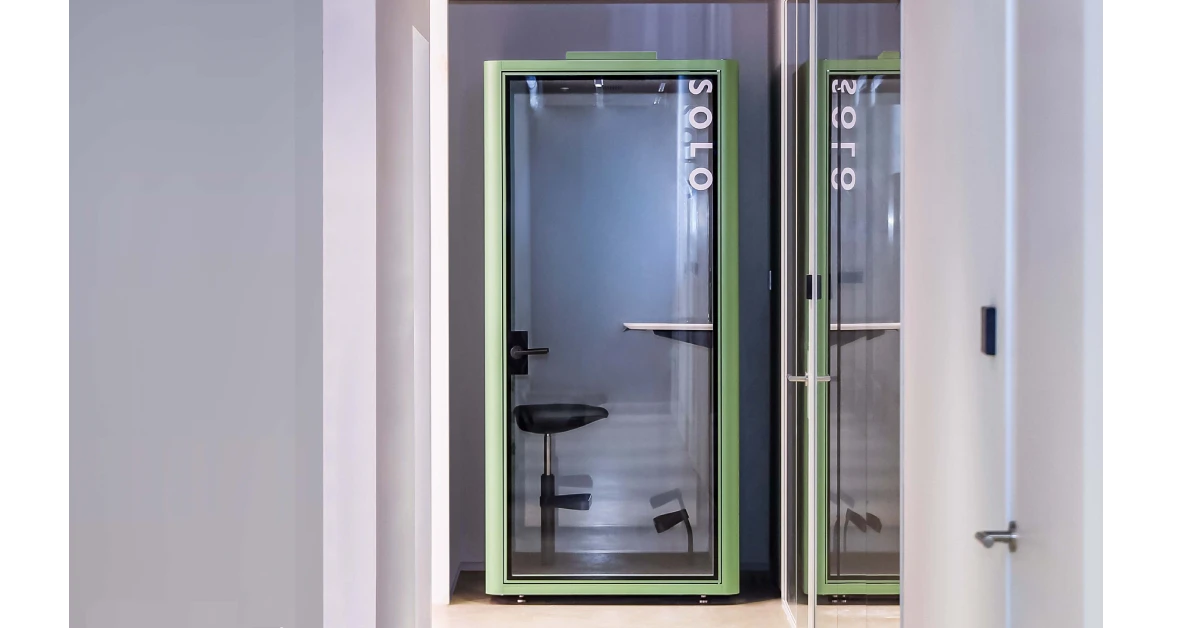
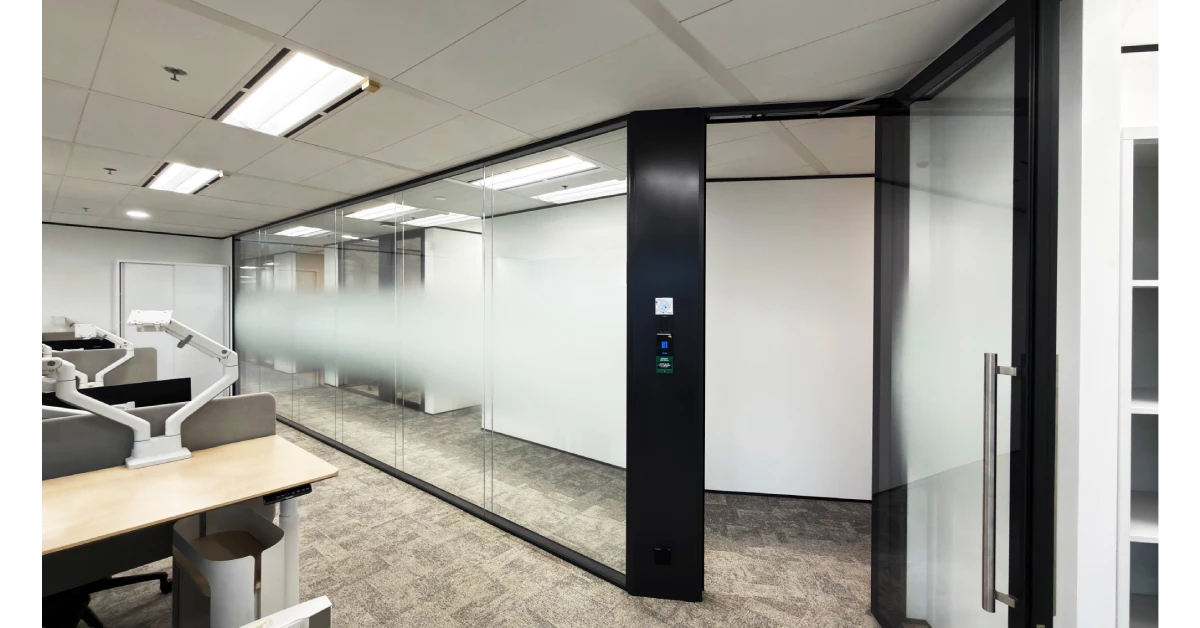
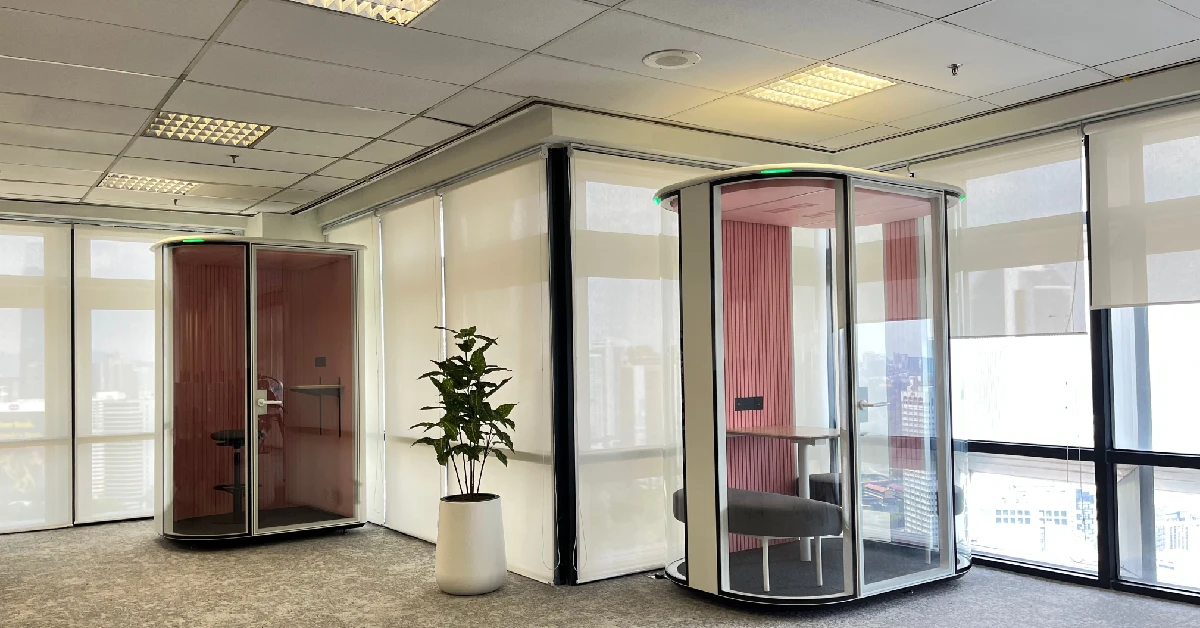
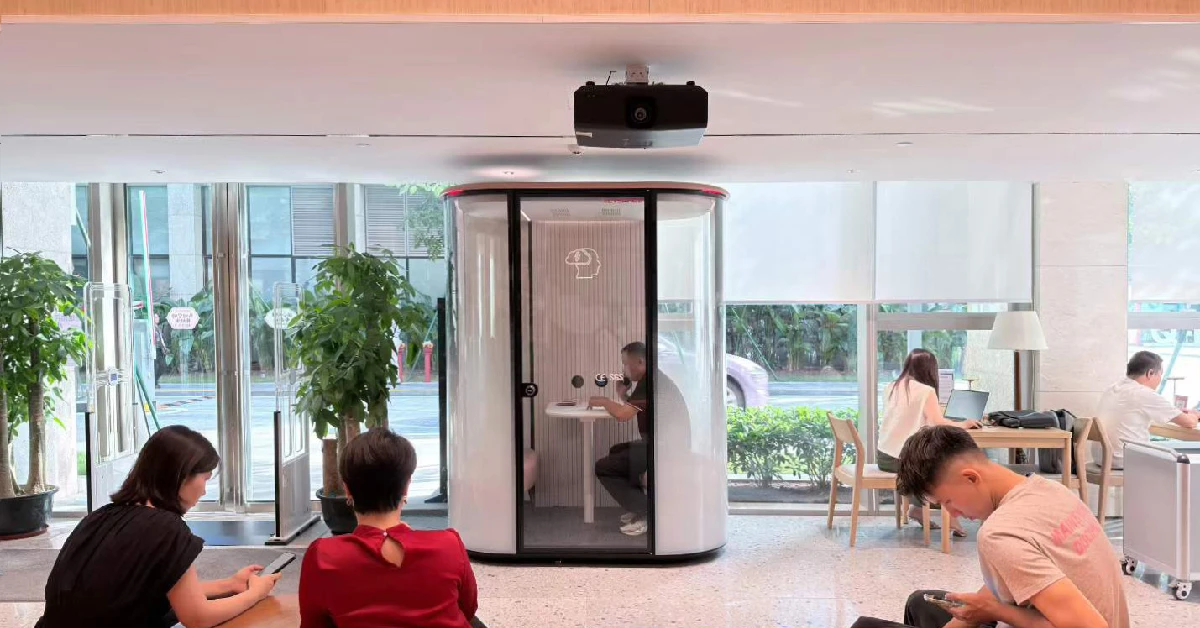
To address this issue, many workplaces incorporate acoustic solutions such as sound-absorbing materials, quiet zones, and acoustic office pods. These solutions help control sound levels and create areas designed specifically for focused work.
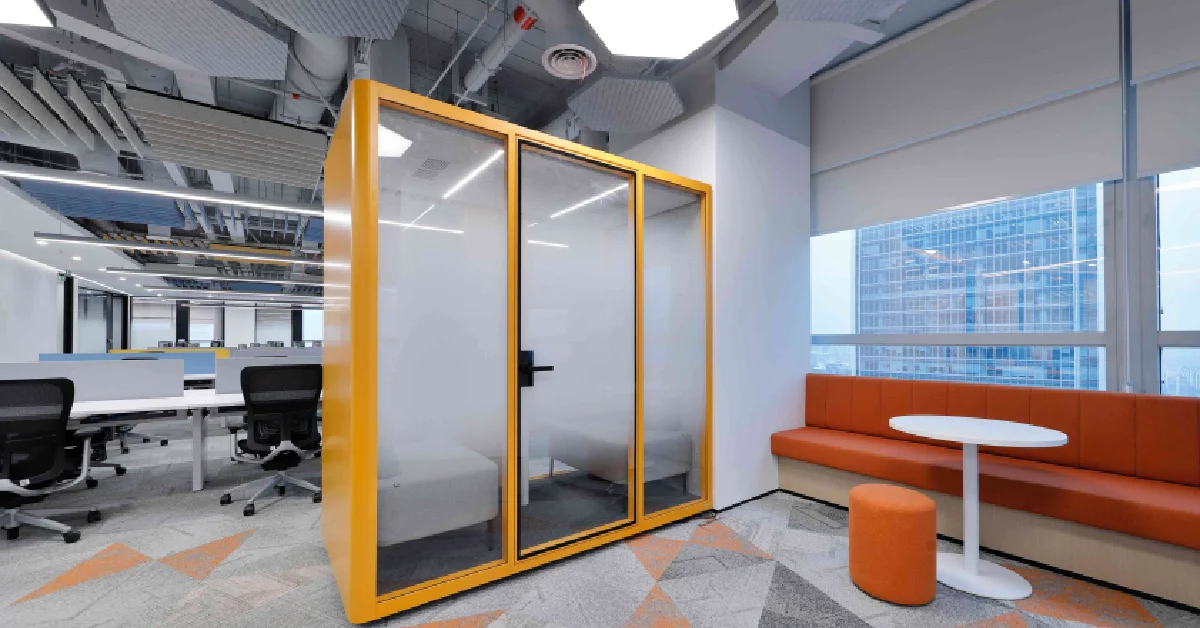
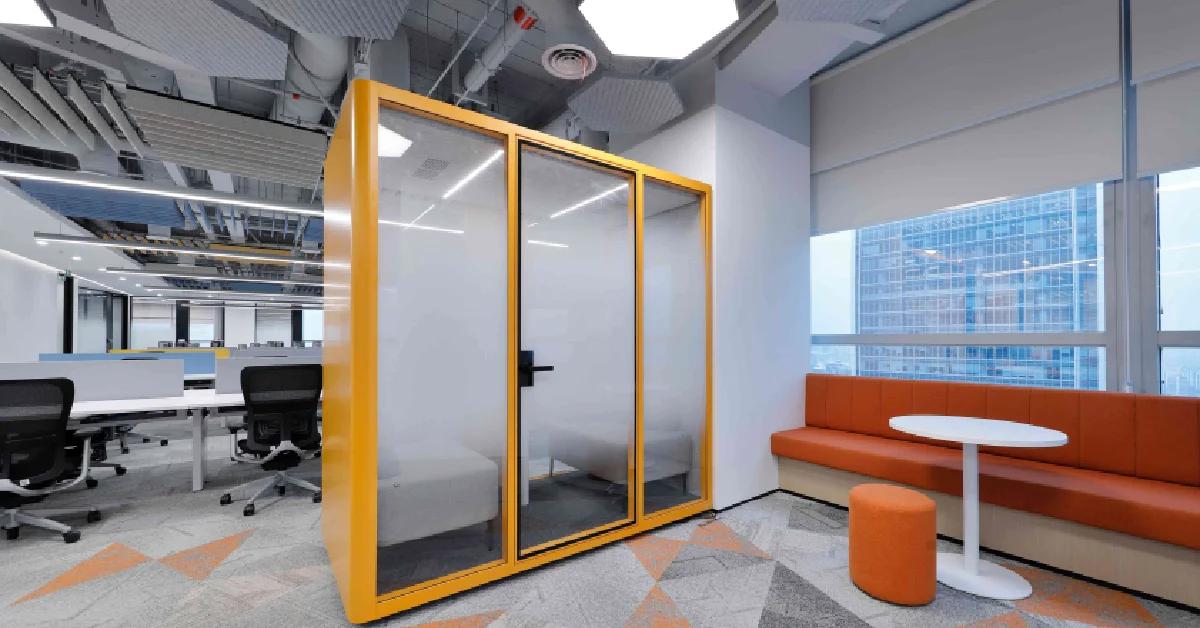
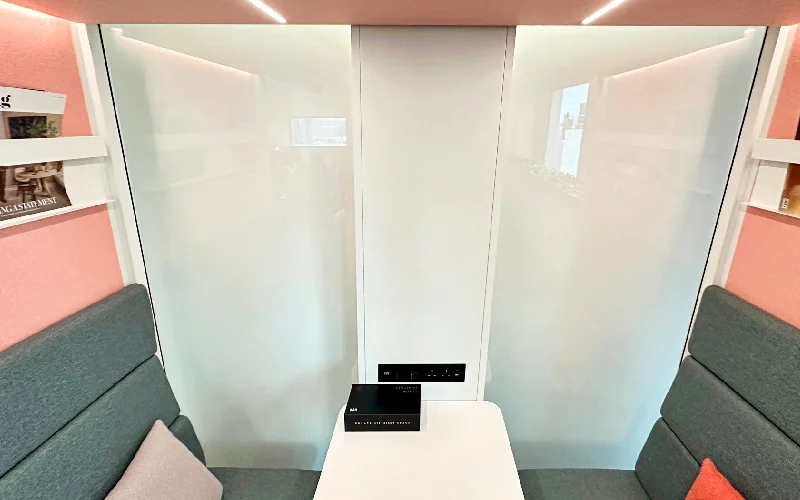
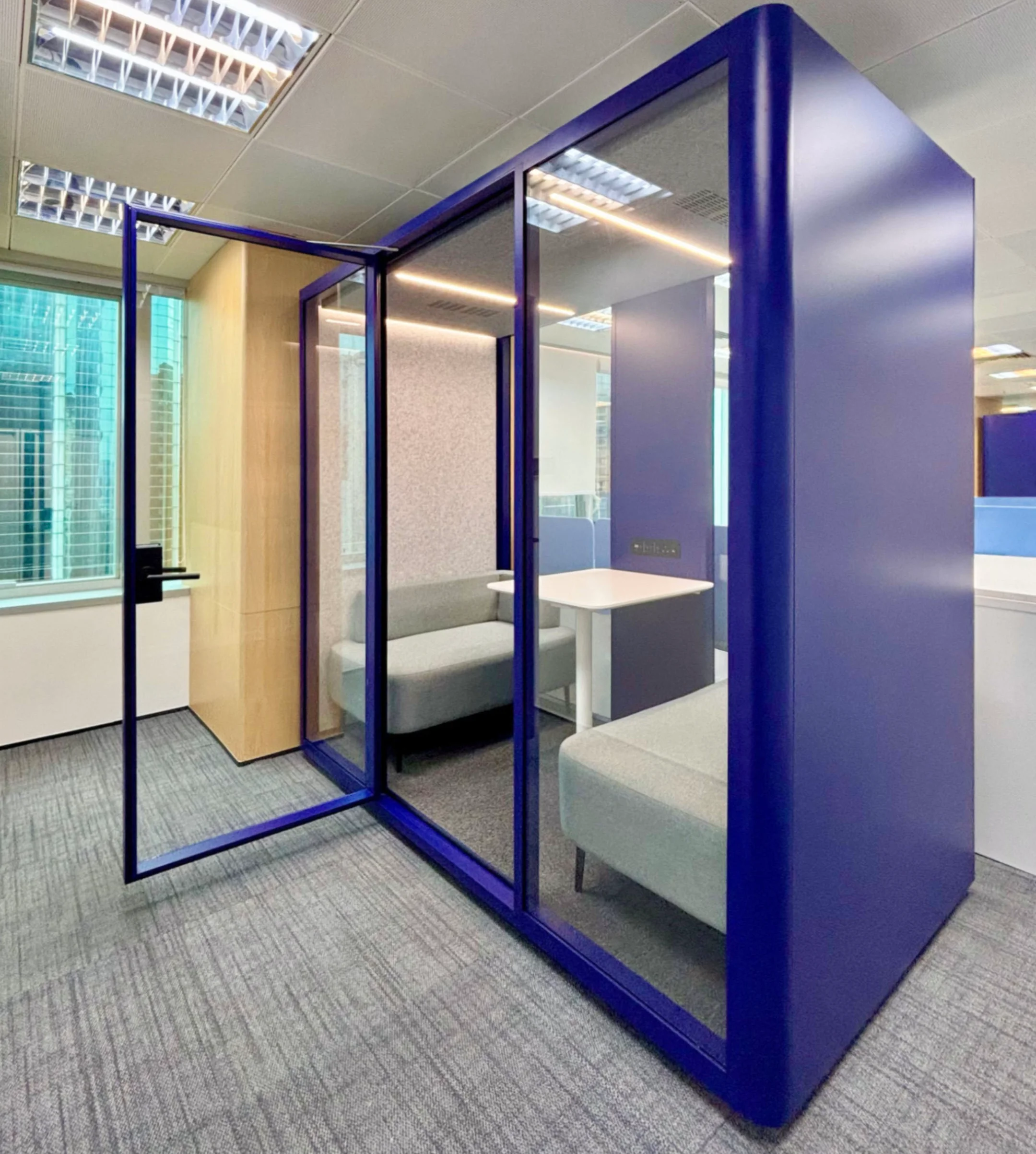
Privacy pods and acoustic booths are particularly useful in busy offices. They provide enclosed spaces where employees can take calls, participate in virtual meetings, or work on tasks that require deep concentration.
By reducing noise disruptions, workplaces can significantly improve both efficiency and employee satisfaction.
Supporting Collaboration and Team Interaction
While quiet spaces are essential, workplaces must also support collaboration. Many important ideas emerge through discussions, brainstorming sessions, and informal conversations between colleagues.
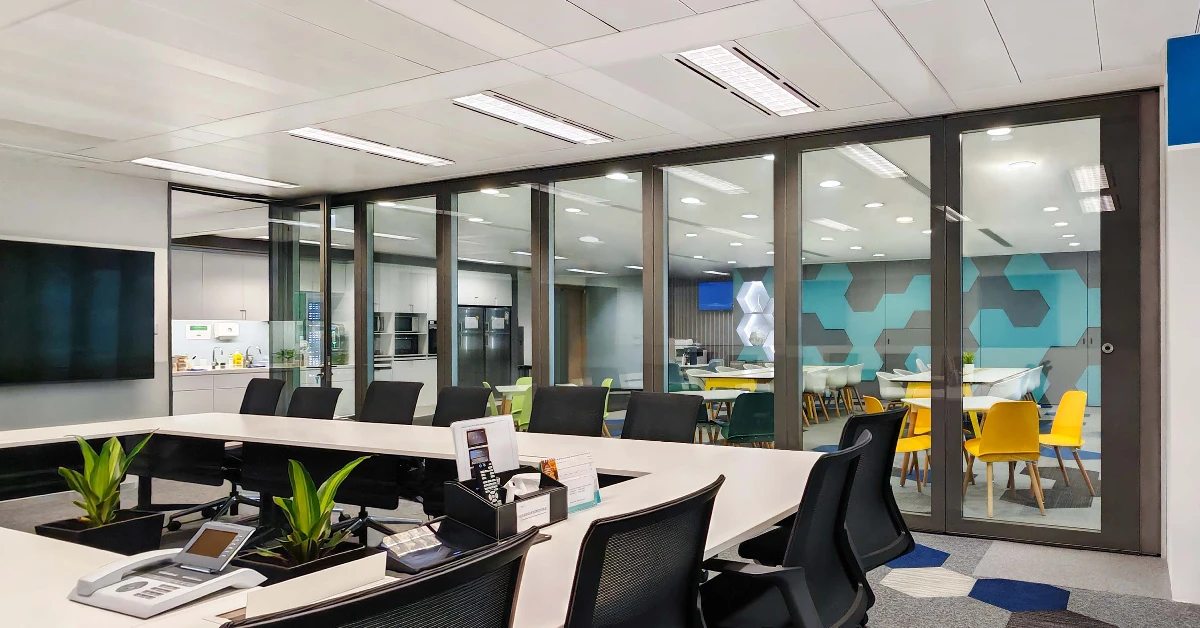
Designing spaces that encourage teamwork helps strengthen communication and creativity. Informal meeting areas, lounge-style seating, and small collaboration zones make it easier for teams to gather and share ideas.
Instead of relying solely on traditional conference rooms, modern offices often include smaller meeting booths or flexible collaboration areas. These spaces allow teams to quickly connect without disrupting the rest of the office.
A balanced workplace provides both quiet environments for focus and open areas for collaboration.
Flexible Workspaces for Different Work Styles
Every employee works differently. Some people perform best in quiet, private spaces, while others prefer more dynamic environments where collaboration happens naturally.
Flexible office design recognizes these differences by offering a variety of workspace options. Instead of assigning employees to a single desk all day, modern workplaces often provide multiple environments for different tasks.
These may include:
- Focus zones for individual work
- Collaboration areas for team discussions
- Meeting pods for private conversations
- Relaxation areas for short breaks
This approach, often known as activity-based working, allows employees to choose the environment that best supports their current task.
Giving employees control over where they work can increase both comfort and productivity throughout the day.
Designing Offices for Happier, More Productive Teams
Office design is no longer just about aesthetics. It has become a strategic tool that directly influences employee happiness and workplace performance.
By combining ergonomic comfort, acoustic privacy, collaborative spaces, and flexible environments, companies can create workplaces that support both well-being and productivity.
The most successful offices are those that recognize the diverse needs of employees and provide environments that help them perform at their best.
When people feel comfortable, supported, and inspired by their surroundings, the workplace becomes more than just an office—it becomes a place where individuals and teams can truly thrive.