
The Modern Office Phone Pod: More Than Just a Call Space
As workplaces evolve into flexible, hybrid environments, one challenge remains constant—finding the right balance between collaboration and privacy. Open-plan offices encourage interaction, but they often lack quiet zones for focused tasks or sensitive conversations.
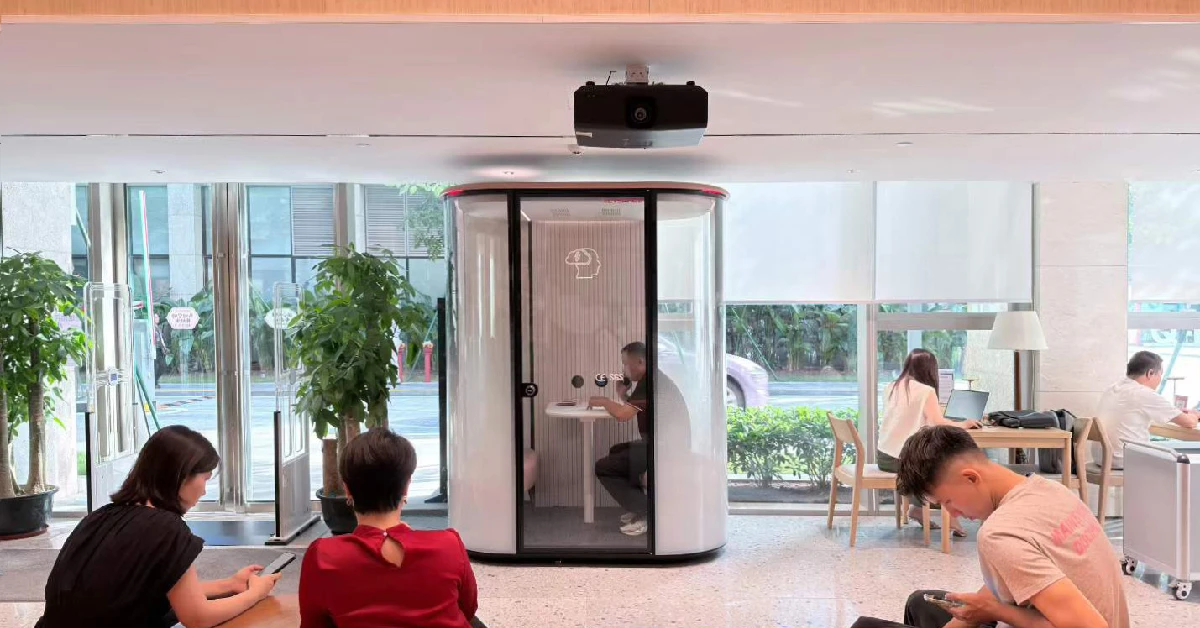
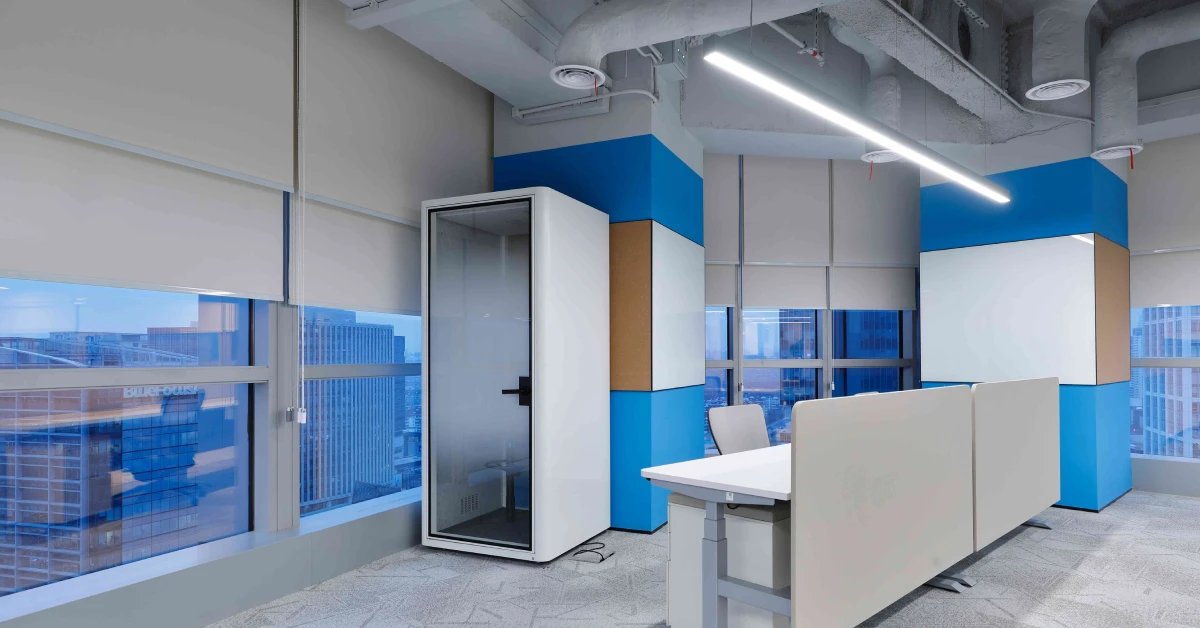
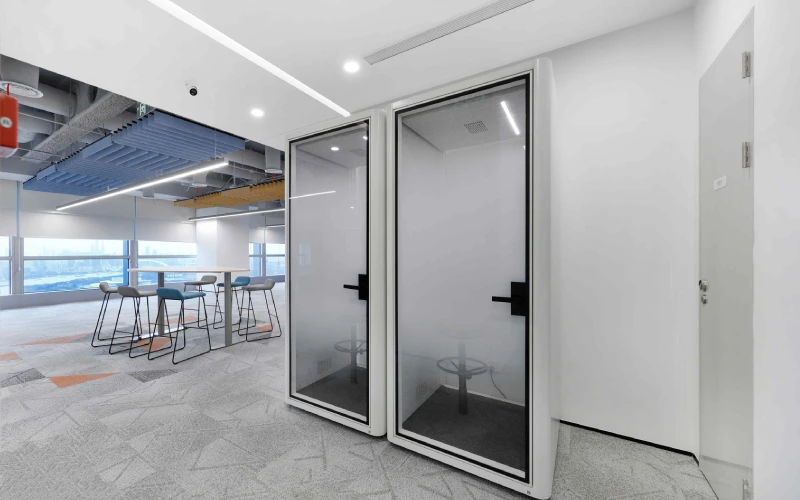
This is where office phone pods come in. Far from being just a place to take calls, they have become versatile micro-environments that support a wide range of work activities.
Why Phone Pods Are Gaining Popularity
The shift toward hybrid work has increased the need for adaptable office solutions. Employees now move fluidly between individual work, virtual meetings, and team collaboration throughout the day.
Phone pods provide a compact, accessible solution by offering:
- Acoustic privacy
- Reduced distractions
- On-demand availability
- A controlled, comfortable environment
These features make them a practical addition to any workspace, regardless of size.
Key Tasks You Can Do in an Office Phone Pod
1. Private and Confidential Calls
One of the most obvious uses is handling sensitive conversations. In open offices, privacy is limited, making it difficult to discuss:
- HR matters
- Client negotiations
- Personal calls
- Financial or legal topics
A phone pod creates a secure environment where employees can speak freely without worrying about being overheard.
2. Professional Video Meetings
With remote work now standard, video calls have become a daily necessity. However, background noise and visual distractions can reduce professionalism.
Phone pods offer:
- Clear audio quality
- Neutral, distraction-free backgrounds
- Better lighting control
- Fewer interruptions
This creates a more polished experience for both internal meetings and client-facing calls.
3. Deep Focus Work
Not all work requires collaboration. Tasks like writing, coding, analyzing data, or preparing presentations demand uninterrupted concentration.
Phone pods act as “focus zones” where employees can:
- Escape office noise
- Minimize interruptions
- Maintain mental clarity
This type of environment is essential for high-quality output and efficiency.
4. Creative Thinking and Problem Solving
Creativity often requires a balance between stimulation and isolation. Too much noise can disrupt thought processes, while a quiet, controlled space can enhance idea generation.
Inside a pod, employees can:
- Brainstorm ideas
- Plan strategies
- Record voice notes or content
- Think through complex challenges
The change of environment itself can trigger new perspectives.
5. Client Communication and Negotiation
Important business discussions require clarity, confidence, and professionalism. Background noise or interruptions can weaken communication and reduce impact.
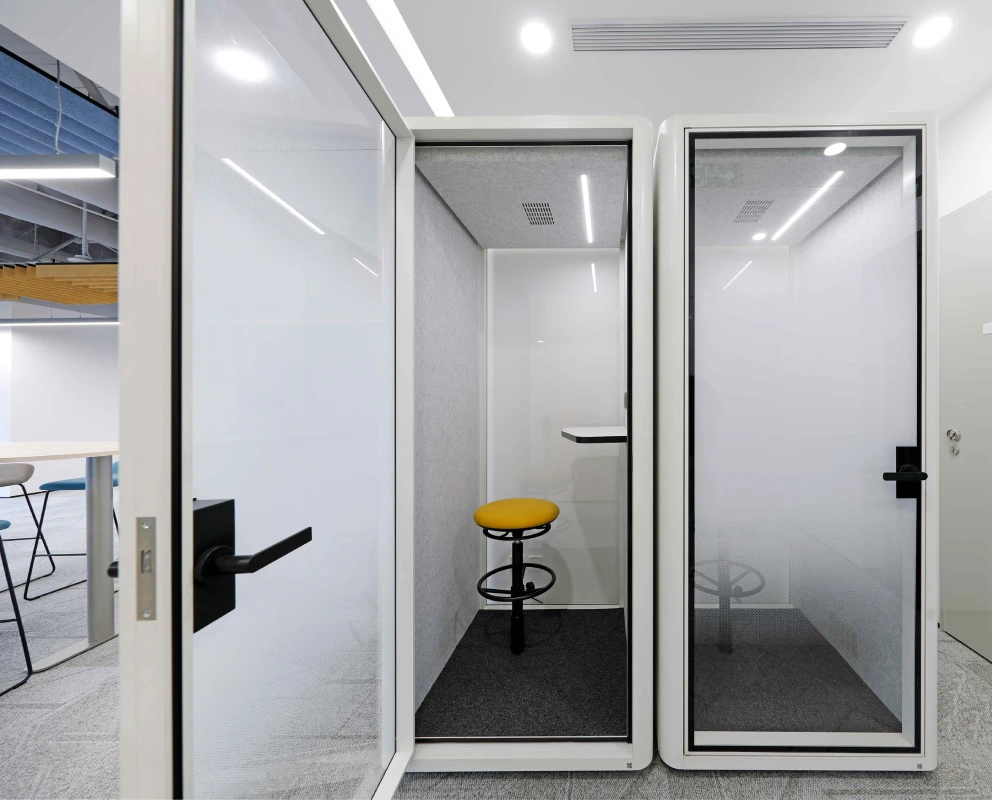
A dedicated pod helps by:
- Improving speech clarity
- Reducing distractions
- Creating a professional setting
This allows employees to focus entirely on delivering their message and building stronger client relationships.
6. Multilingual or High-Concentration Conversations
Communicating in a non-native language or discussing complex topics requires extra focus. Even small distractions can lead to misunderstandings.
A quiet pod environment allows users to:
- Concentrate on pronunciation and wording
- Process information more clearly
- Communicate with greater confidence
This is especially valuable in global teams and cross-cultural collaboration.
7. Short Breaks and Mental Reset
Phone pods aren’t only for active work—they can also support employee well-being.
In a busy office, constant noise and activity can lead to mental fatigue. A pod provides a temporary escape where employees can:
- Pause and reset
- Reflect or decompress
- Regain focus before returning to tasks
This contributes to better stress management and overall productivity.
Conclusion
Office phone pods have evolved into essential tools for modern workplaces. They are no longer just for quick calls—they support a wide range of tasks, from deep work to high-stakes communication and even mental recovery.
By integrating phone pods into office design, companies can create a more balanced environment—one that supports both collaboration and concentration.