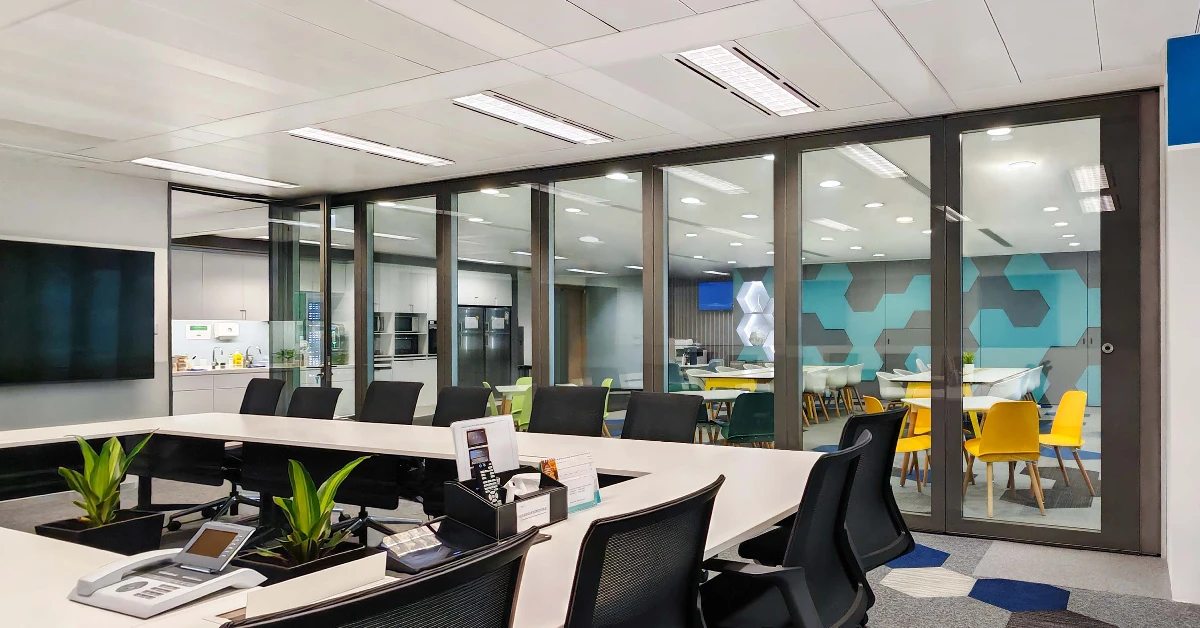

Hybrid work has changed the way companies use their offices. Employees no longer need a fixed desk every day, but they still need professional spaces for collaboration, private discussions, online meetings, and focused work.
Many companies are facing a new challenge: how to maintain an effective workplace without spending more money on unnecessary space.
Improving hybrid office efficiency is not about simply reducing office size. It is about creating a flexible environment where every area supports a specific purpose.
The Hidden Cost of Inefficient Hybrid Offices
Many businesses introduced hybrid working models expecting lower office costs. However, traditional office layouts often prevent companies from achieving real savings.
Large meeting rooms, unused desks, and fixed layouts can create significant space waste.
Common problems include:
- Meeting rooms designed for large groups but used by only one or two people
- Employees searching for quiet areas for online meetings
- Open office layouts creating noise distractions
- Limited privacy for important conversations
Without proper space planning, companies may continue paying for areas that do not match their actual workplace needs.
Why Traditional Office Layouts Need to Change
Traditional offices were designed around permanent seating and predictable working patterns.
However, modern employees perform different activities throughout the day:
- Video conferences with remote teams
- Individual focused work
- Small group discussions
- Client meetings
- Creative collaboration
A single office layout cannot effectively support all these activities.
Modern workplaces need flexible solutions that allow spaces to quickly adapt according to changing requirements.
Smart Ways to Optimize Office Space Without Major Renovation
Instead of expanding offices or investing in expensive construction, companies can improve efficiency by making better use of existing space.
Create Dedicated Private Areas
Open offices encourage communication but often lack privacy.
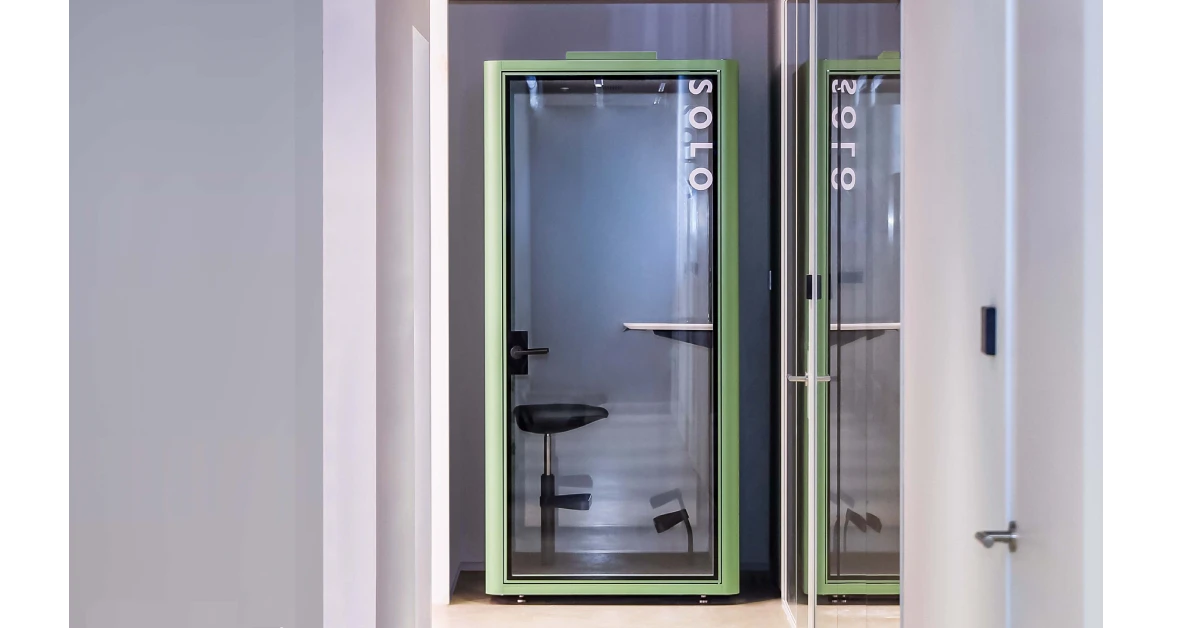
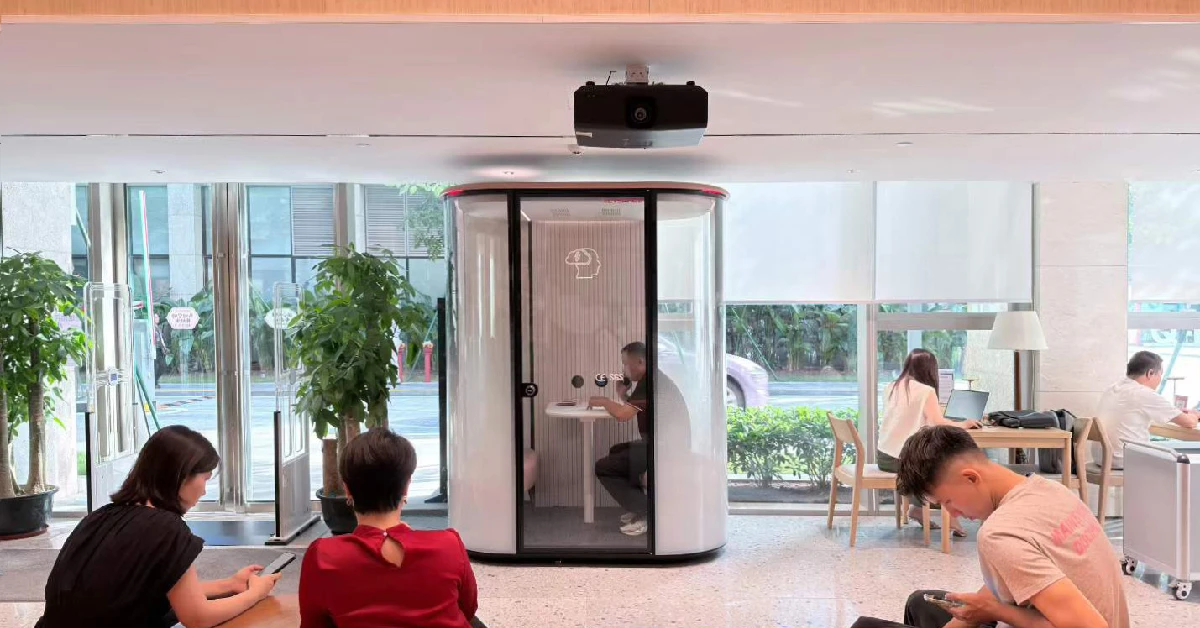
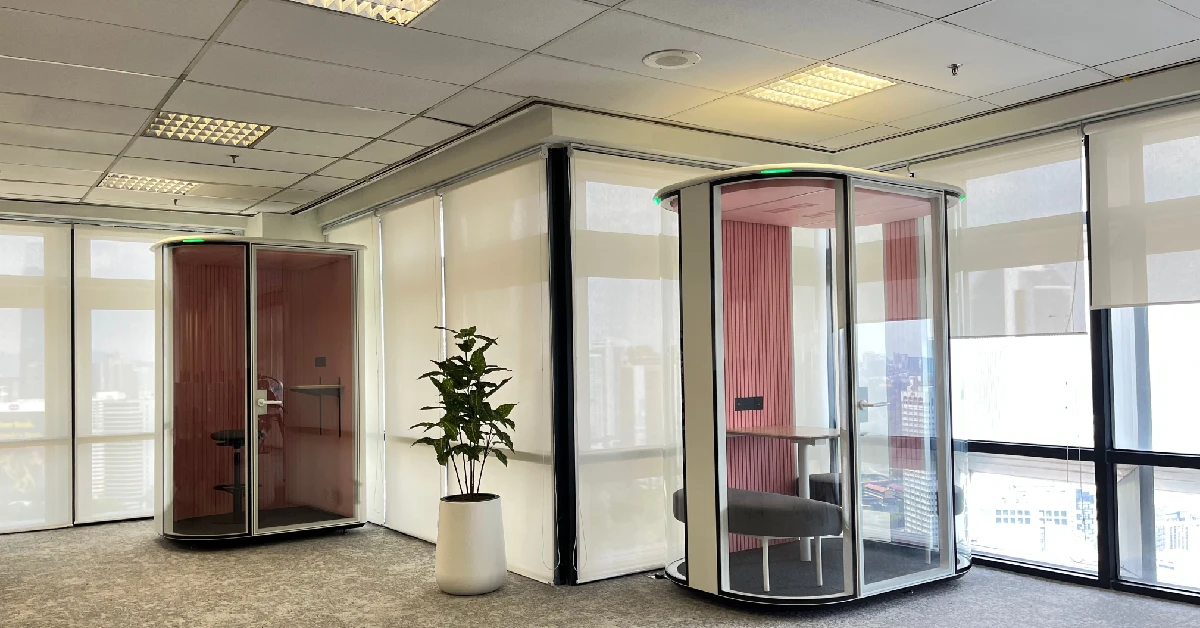
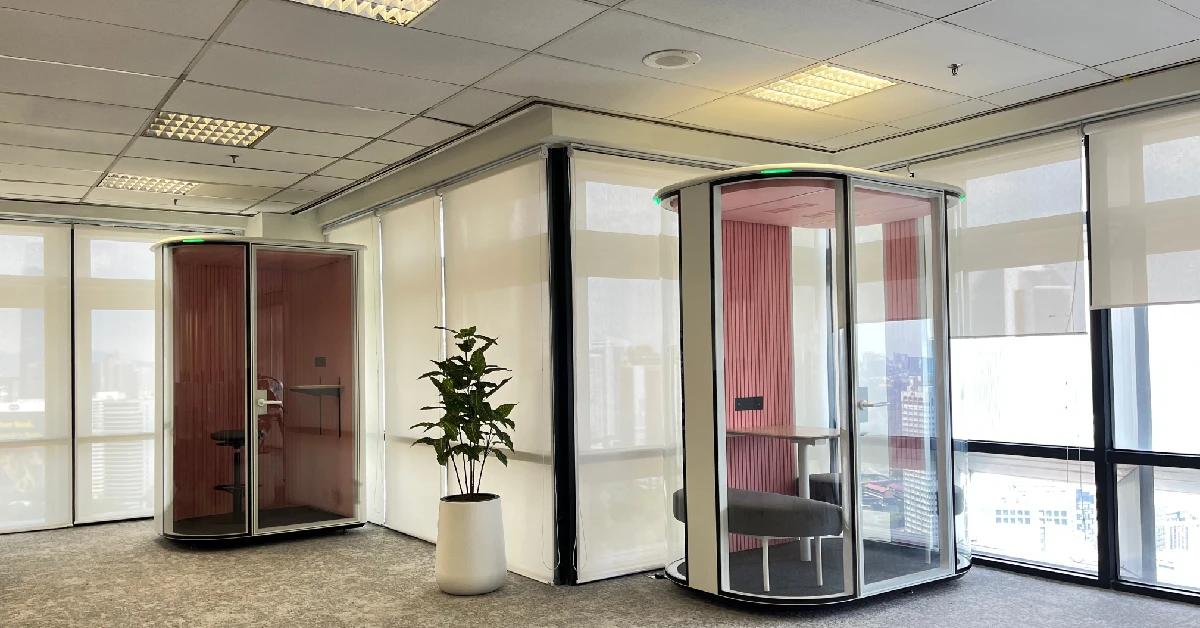
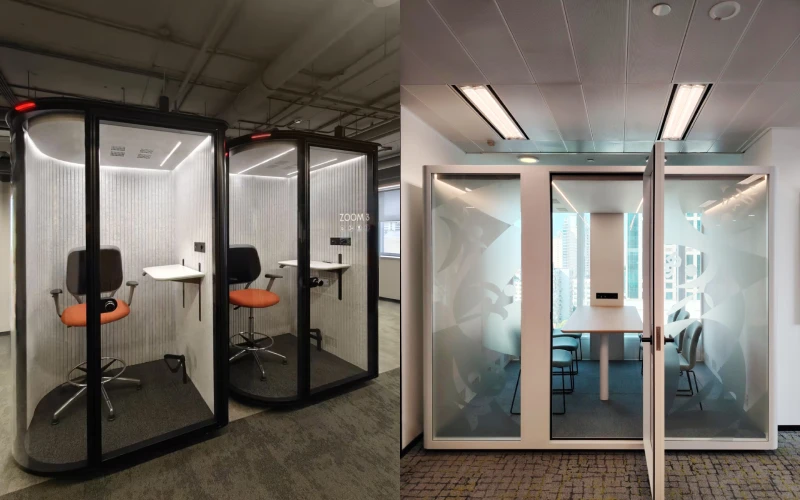
Installing acoustic office pods provides employees with quiet environments for phone calls, online meetings, and focused tasks.
These spaces can be added quickly without changing the entire office structure.
Improve Space Flexibility with Modular Partitions
Fixed walls limit future changes.
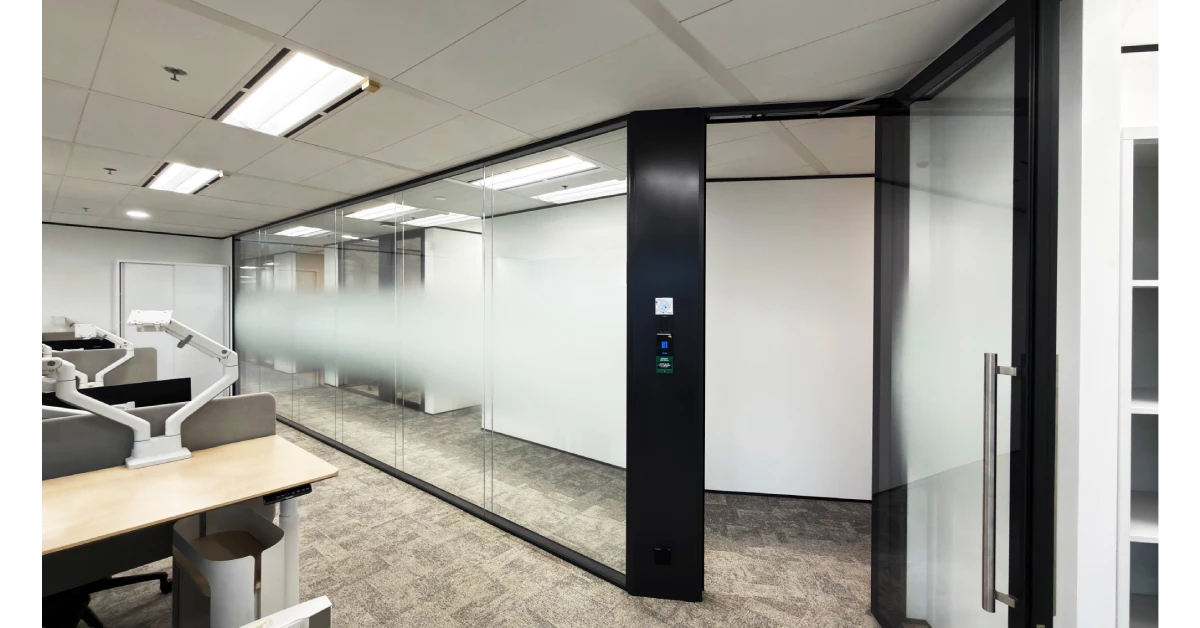
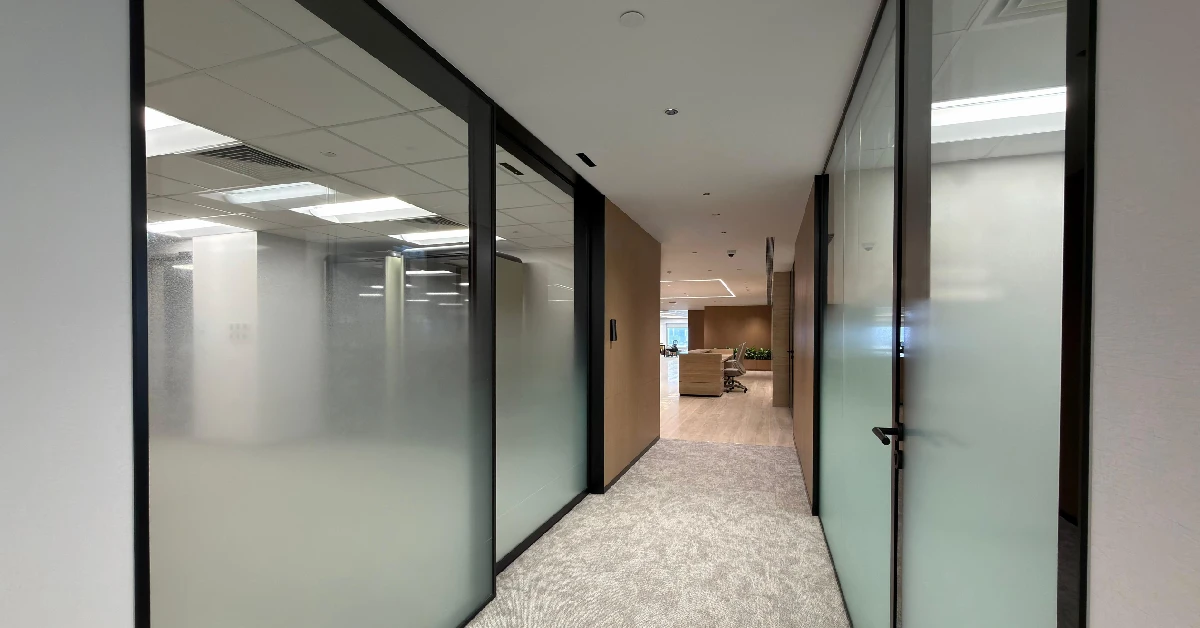
Flexible office partitions allow businesses to divide, combine, or redesign areas based on current needs.
For example:
| Workplace Need | Flexible Solution |
|---|---|
| Private meetings | Acoustic meeting pods |
| Phone conversations | Individual phone booths |
| Team discussions | Modular meeting areas |
| Space division | Movable partitions |
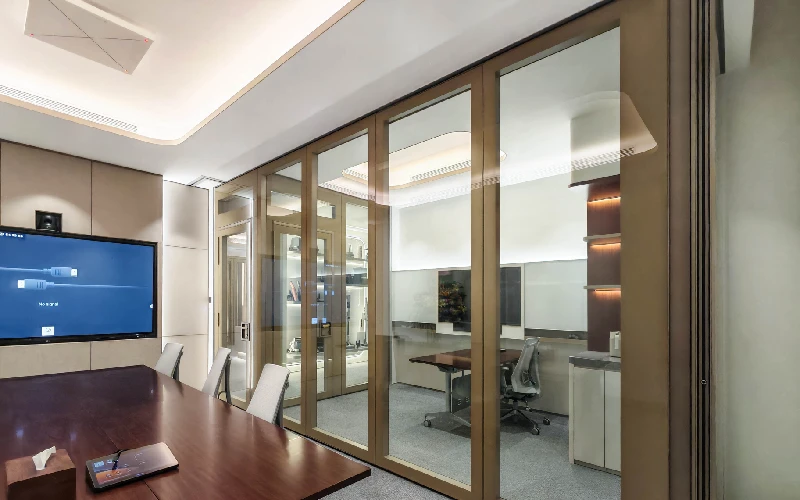
This approach helps companies control renovation costs while maintaining workplace flexibility.
Acoustic Solutions Improve Productivity
Noise is one of the biggest challenges in hybrid offices.
Employees working in open environments often experience interruptions from nearby conversations and online meetings.
Acoustic solutions help reduce unnecessary noise and create better working conditions.
A well-designed workplace should include:
- Quiet zones for concentration
- Collaboration areas for teamwork
- Private rooms for confidential discussions
- Flexible spaces for changing needs
By improving acoustic comfort, companies can create offices that support both productivity and employee satisfaction.
Building a Future-Ready Hybrid Workplace
The future office is not defined by the number of desks available. It is defined by how effectively the space supports people.
Companies that invest in flexible workplace solutions can:
- Reduce unnecessary space costs
- Improve employee experience
- Adapt quickly to organizational changes
- Create more productive environments
A successful hybrid office combines smart planning, acoustic performance, and flexible design.
Conclusion
Hybrid office efficiency requires a new way of thinking about workplace design.
Instead of spending more on larger offices, companies can optimize existing spaces with flexible solutions such as acoustic pods and modular partitions.
By creating spaces that support different working styles, businesses can reduce costs while building a workplace prepared for the future.