
A noisy office does not always mean you need to rebuild the space.
Open-plan workplaces often combine meeting areas, individual desks, phone calls, and informal conversations in one environment. While this layout supports collaboration, it can also create distractions and reduce privacy.
The good news is that improving office acoustics does not necessarily require costly renovation or major structural changes. With the right combination of acoustic treatments and flexible products, businesses can create a more comfortable workplace while keeping their existing layout.
Start With the Actual Noise Problem
Before investing in acoustic products, identify where the noise comes from.
Common sources include conversations, phone calls, online meetings, office equipment, footsteps, and high-traffic areas. Hard surfaces such as glass, concrete, and large walls can also reflect sound and increase reverberation.
Different problems require different solutions. Reducing echo is not the same as creating speech privacy, so an effective acoustic strategy should address the specific needs of each area.
Improve the Space With Sound Absorption
Sound-absorbing materials can reduce unwanted reflections and make an office feel quieter and more comfortable.
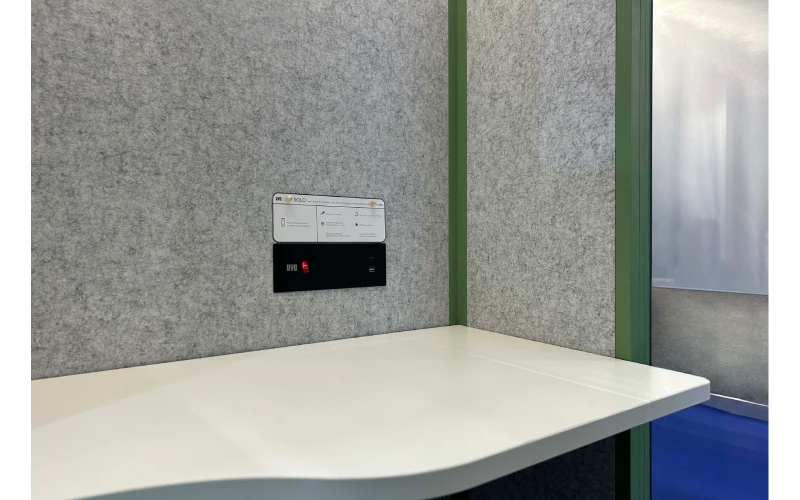
Acoustic wall panels, PET felt, carpets, upholstered furniture, and acoustic ceiling treatments can help absorb sound energy. They are particularly useful in open areas where sound can easily travel across the workplace.
The key is to place acoustic materials strategically rather than simply adding more materials. Treating major reflective surfaces can often make a noticeable difference without changing the structure of the room.
Create Acoustic Zones Instead of Rebuilding Rooms
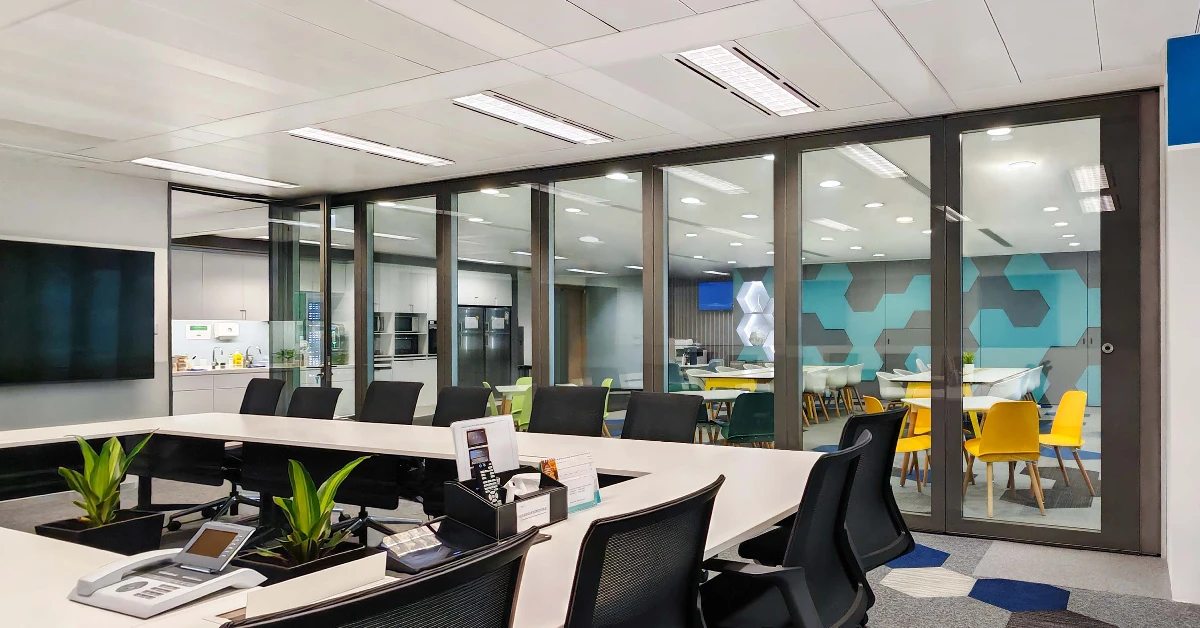
One of the most practical ways to improve workplace acoustics is to divide the office according to different activities.
A collaborative area can accommodate team discussions, while quieter zones can support focused work. Dedicated spaces for phone calls and meetings can prevent conversations from spreading across the entire office.
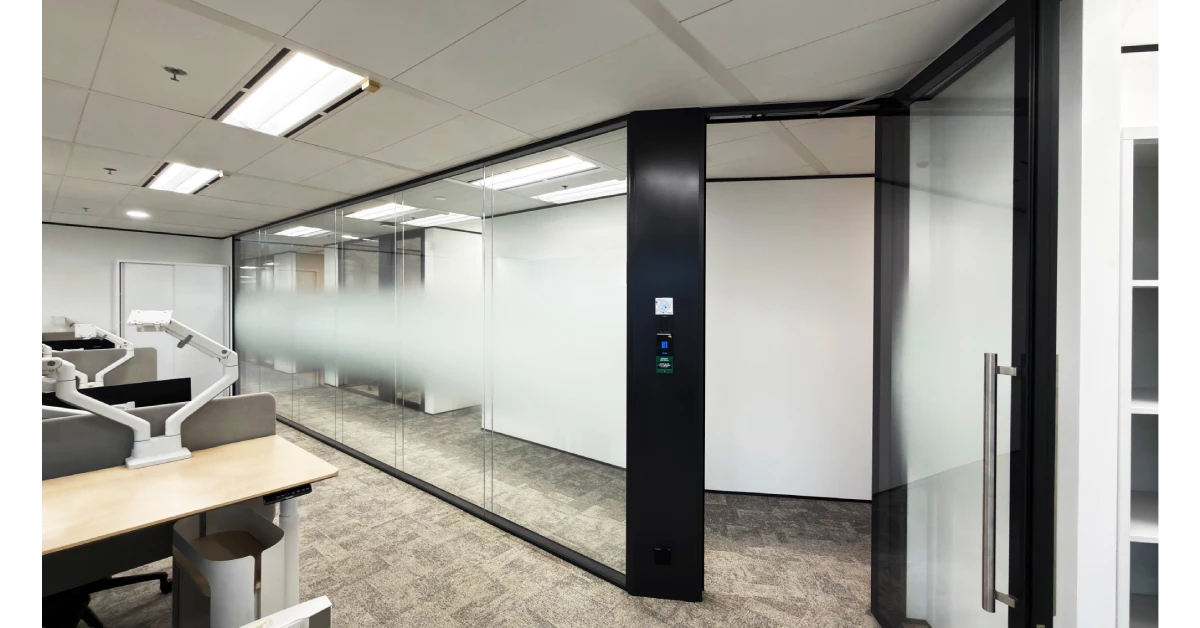
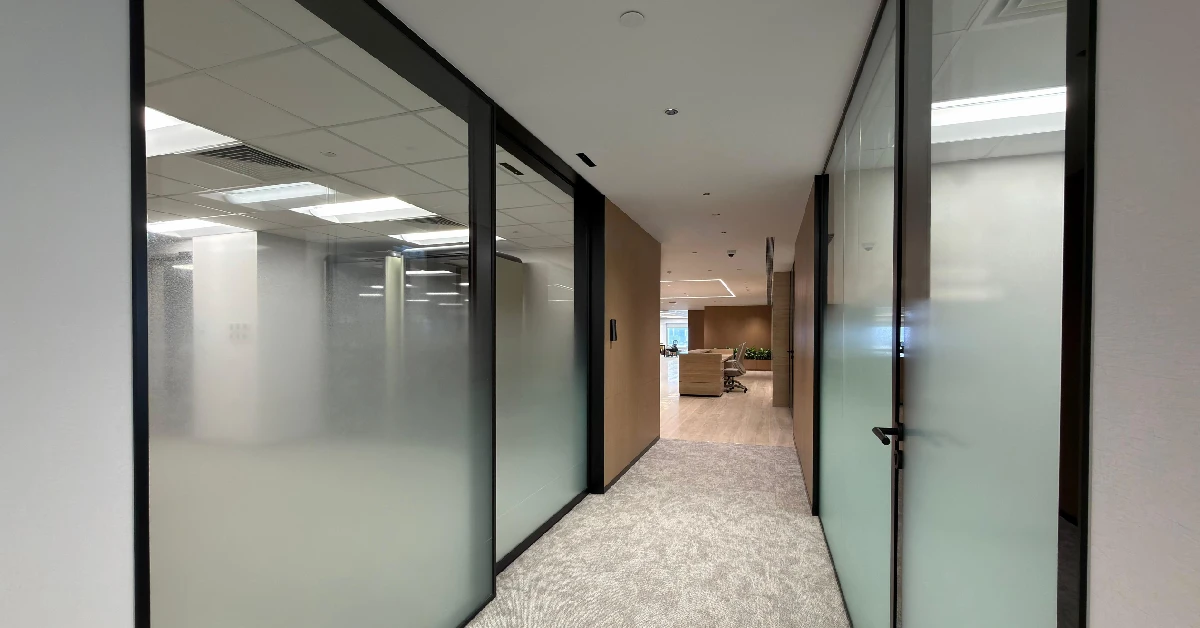
Acoustic partitions are useful for creating these zones while maintaining an open and flexible feeling. Unlike permanent walls, they can often be repositioned when the office layout changes.
Add Privacy Where It Matters Most
Not every part of an office needs the same level of acoustic control.
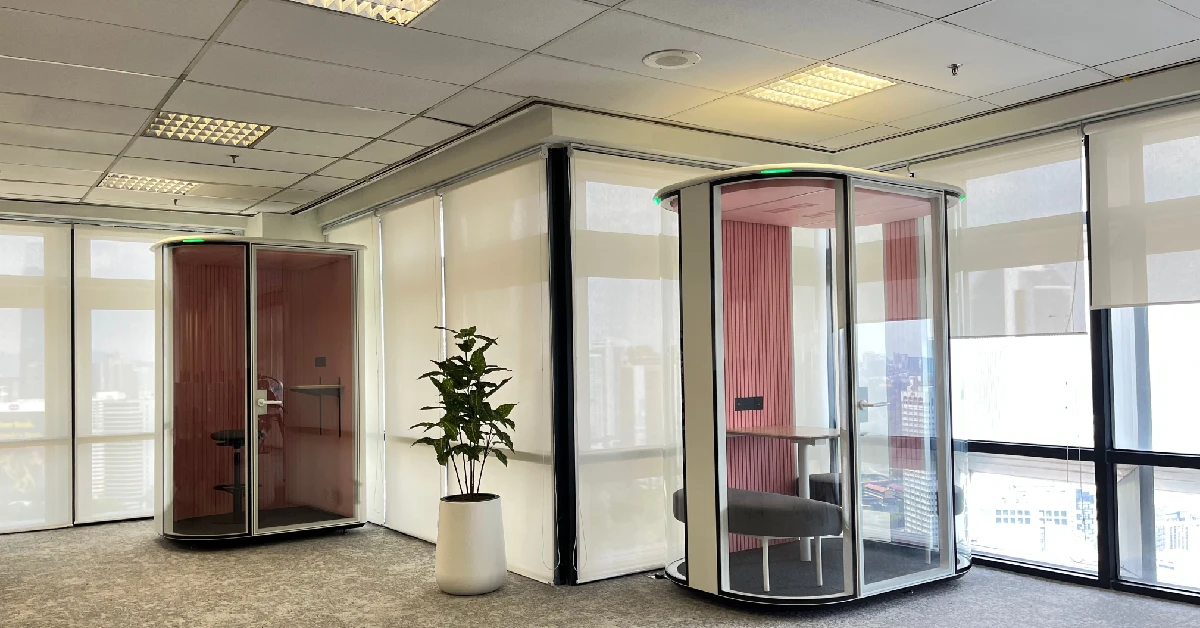
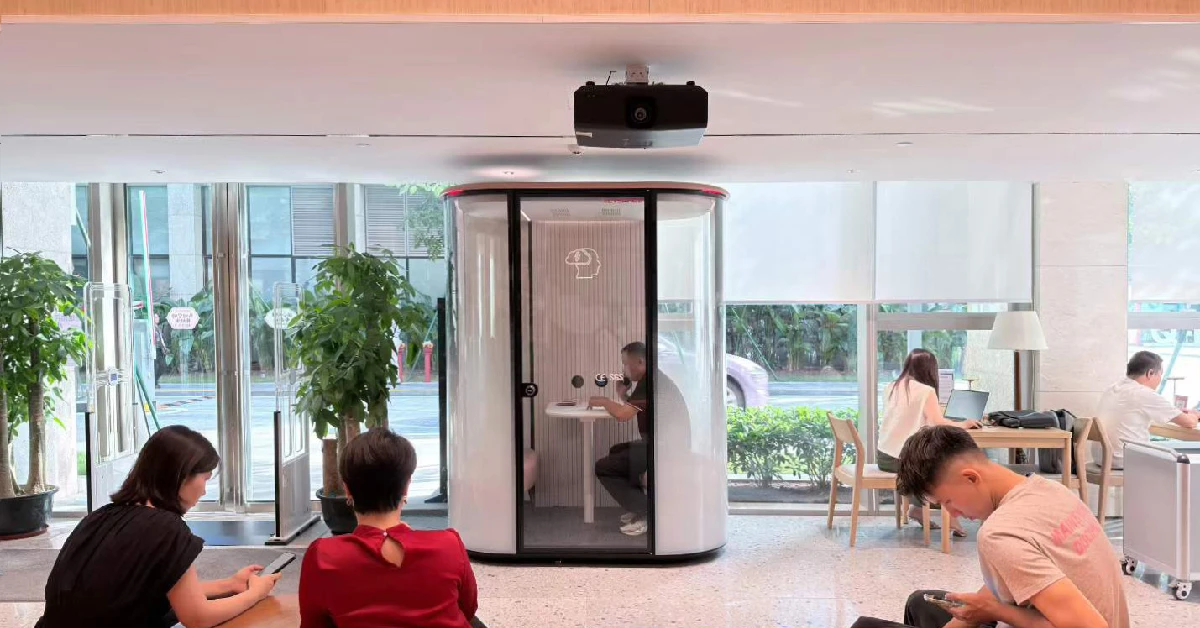
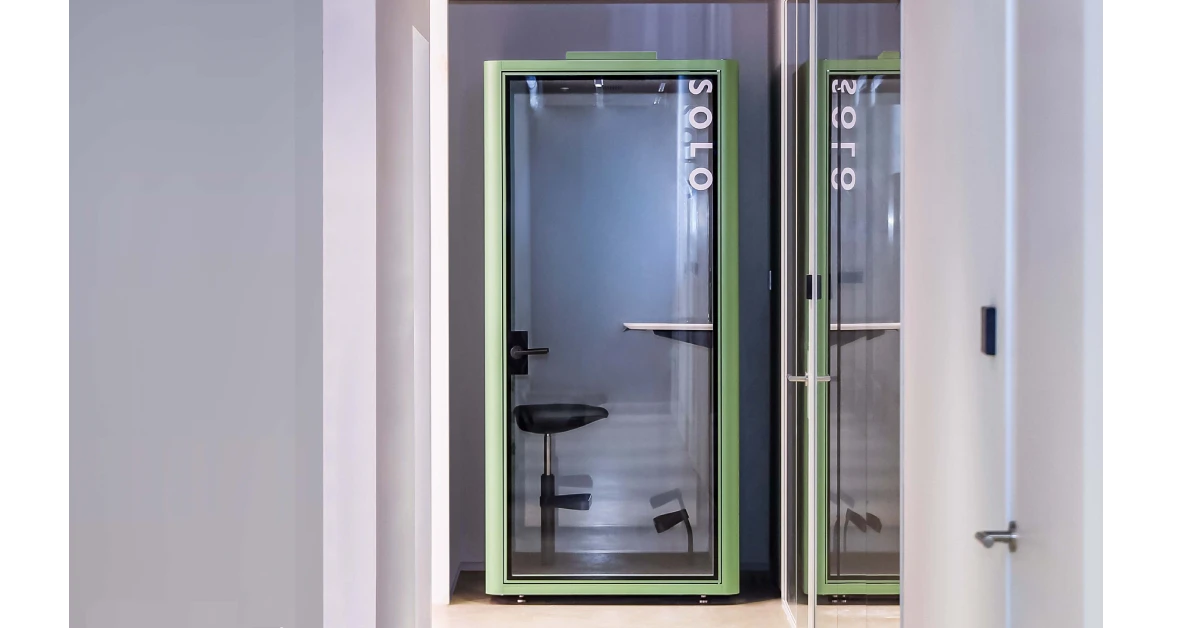
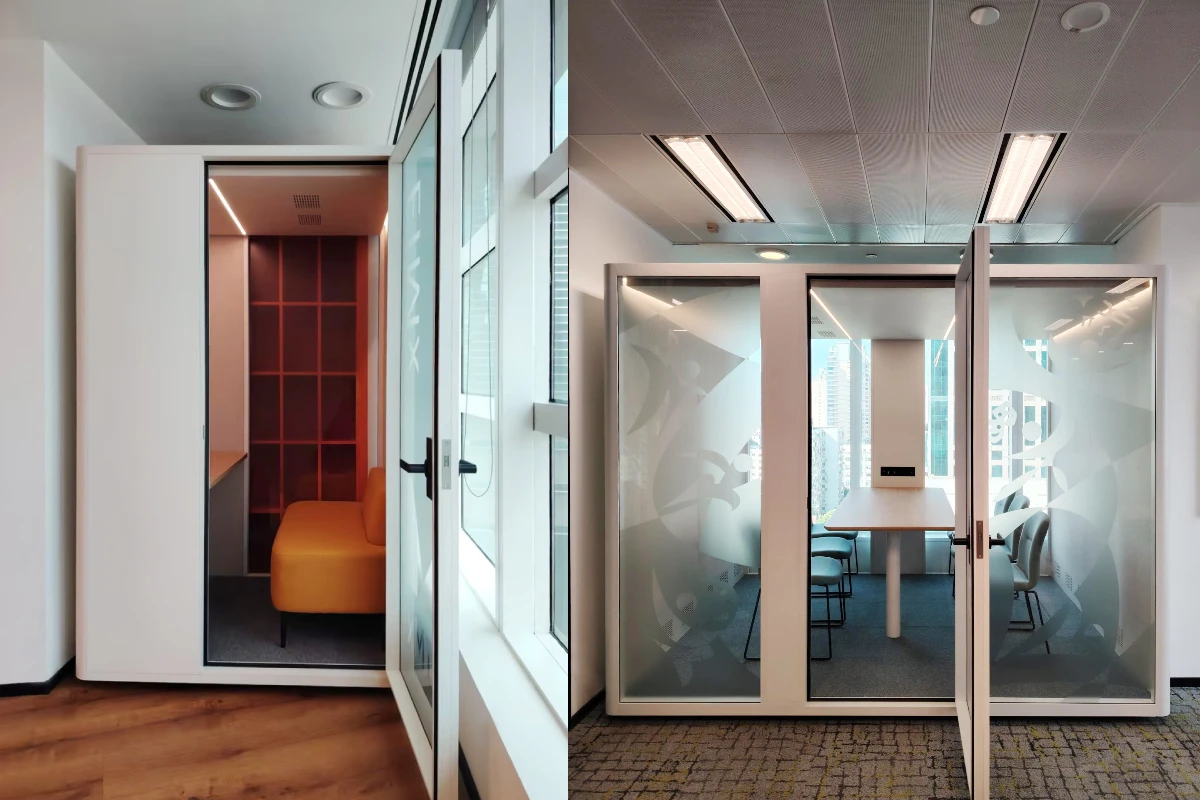
For phone calls, online meetings, interviews, or confidential conversations, an enclosed acoustic booth or office pod can provide a more private environment without constructing a new room.
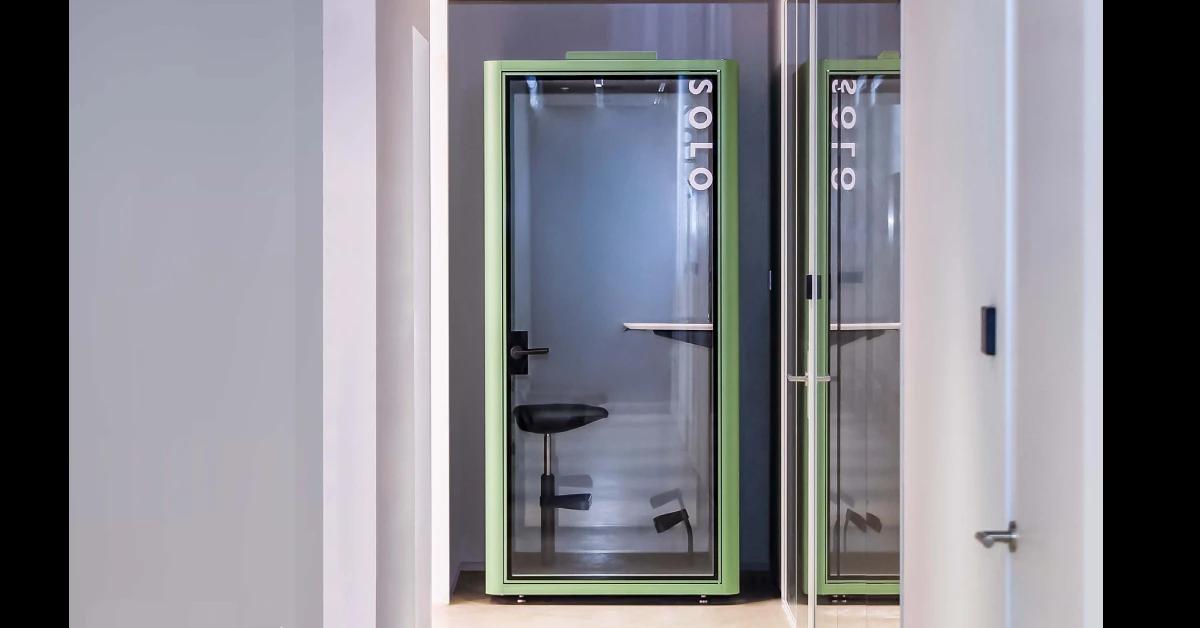
A single-person booth can give employees a dedicated space for calls and focused work, while larger pods can accommodate meetings and small teams.
This makes modular pods a practical option for leased offices, growing companies, and workplaces that need to adapt over time.
Combine Solutions for Better Results
The most effective acoustic strategy usually combines several solutions rather than relying on one product.
For example:
- Acoustic panels can reduce sound reflections.
- Partitions can divide open areas and limit sound movement.
- Phone booths can provide private spaces for calls.
- Meeting pods can support discussions without disturbing nearby employees.
- Soft furnishings can help absorb additional background noise.
Together, these solutions can improve both acoustic comfort and workplace flexibility without requiring extensive construction.
Think Beyond Sound
An acoustic booth or enclosed workspace should also be comfortable to use.
Ventilation, lighting, power access, temperature, and ergonomics all influence the user experience. Acoustic performance also depends on elements such as doors, glazing, joints, and ventilation openings.
A successful solution therefore needs to balance acoustic performance, comfort, functionality, and flexibility.
Better Acoustics Without a Major Renovation
Improving office acoustics does not have to mean tearing down walls or investing in an expensive refurbishment.
By identifying the main noise sources and applying targeted solutions, businesses can upgrade existing workplaces step by step. Acoustic materials can reduce reverberation, partitions can create functional zones, and enclosed pods can provide privacy where it is most needed.
The result is a workplace that supports focus, communication, and privacy—without a costly renovation.
For modern offices, the smartest acoustic solution may not be rebuilding the space, but making the existing space work better.