
A Smarter Way to Divide Modern Office Space
Office design is no longer simply about creating as many rooms as possible. Today, businesses need workplaces that balance privacy, natural light, collaboration, and a sense of openness.
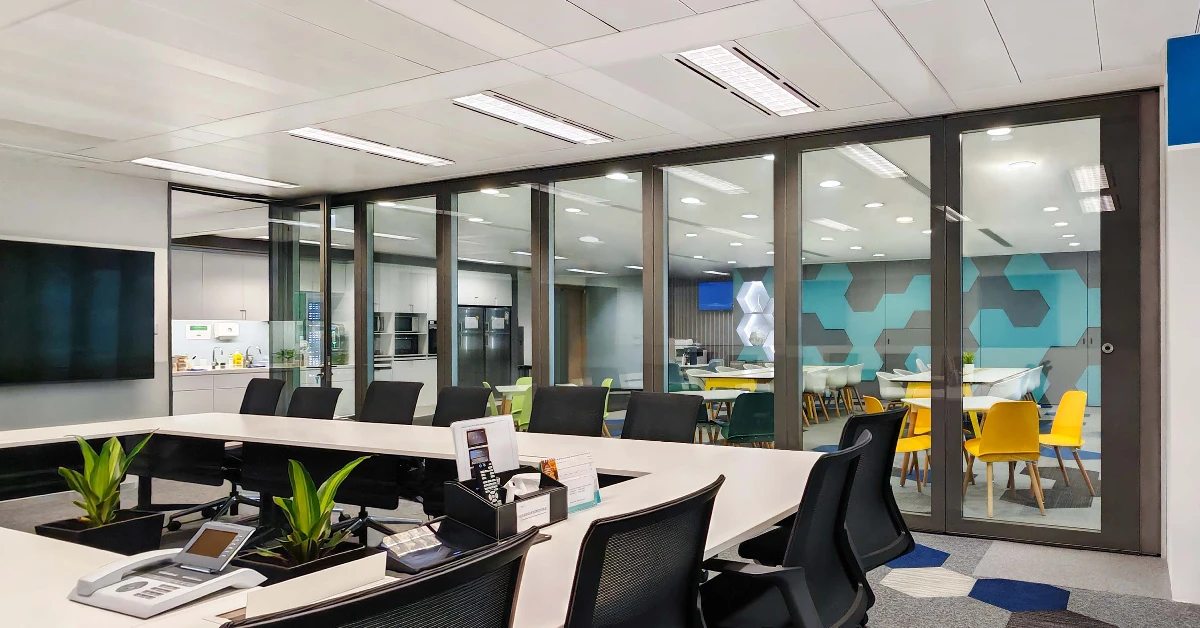
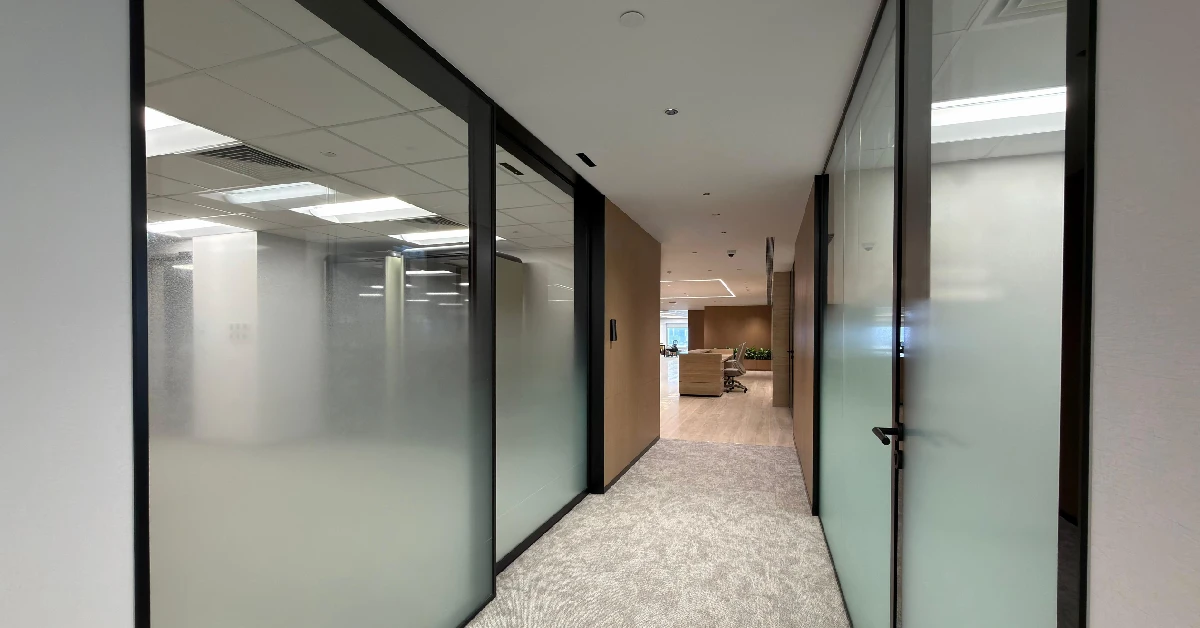
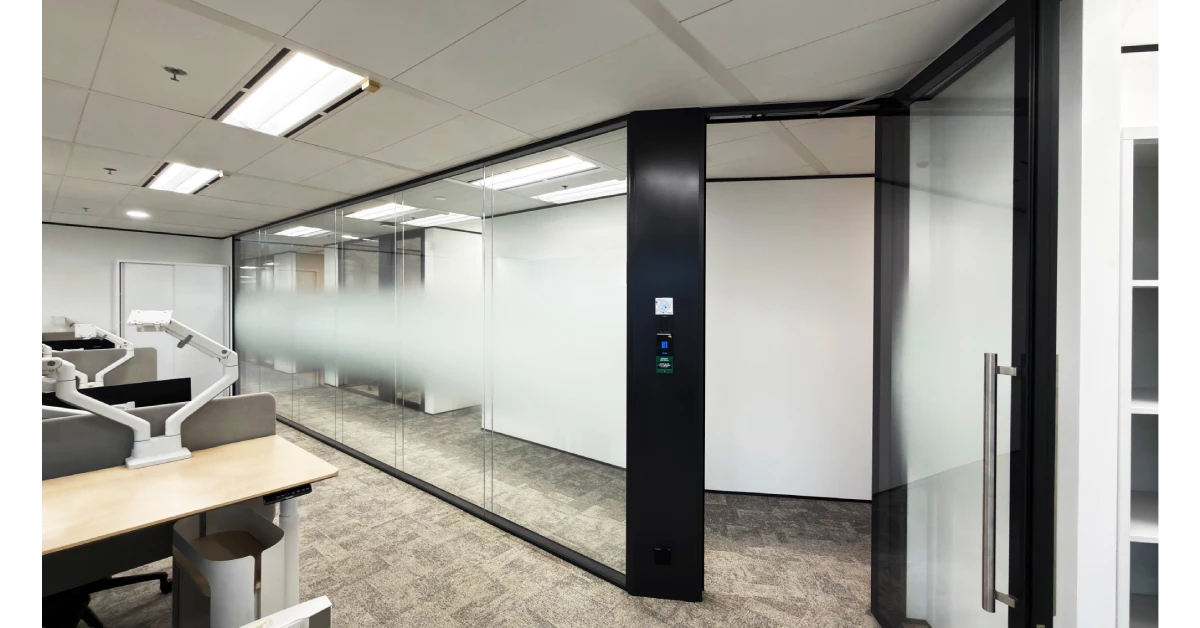
This is where glass partitions offer a practical and timeless solution. Instead of closing spaces off with solid walls, glass partitions define individual areas while allowing light and visual connection to move throughout the workplace.
For architects, interior designers, and project teams, this combination of separation and openness makes glass partitions a valuable element in modern office planning.
Why Glass Works So Well in the Workplace
Traditional solid walls provide privacy, but they can also make offices feel smaller and darker. Glass partitions take a different approach.
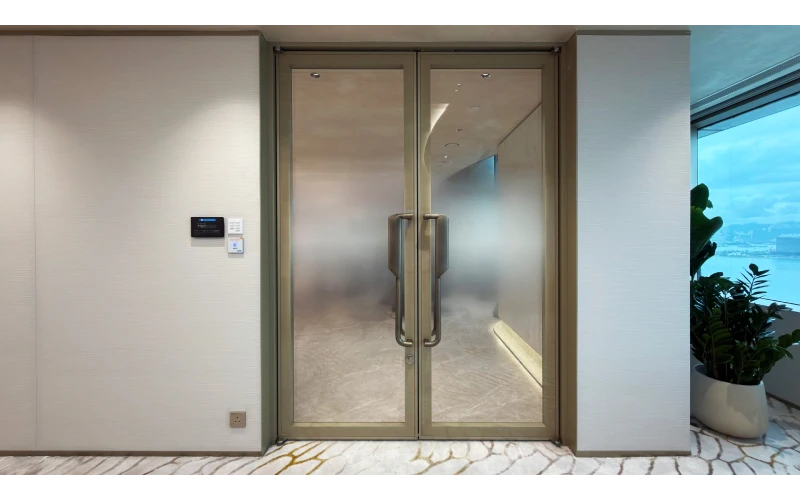
By using transparent or translucent glass, they create clearly defined rooms without completely disconnecting them from the surrounding workspace. Meeting rooms, private offices, management spaces, and collaborative areas can remain visually connected while serving different functions.
This makes glass particularly effective in offices where daylight and openness are important design priorities.
Bringing More Natural Light Inside
One of the most important advantages of glass partitions is their ability to maintain the flow of natural light.
Instead of stopping daylight at the edge of a solid wall, glass allows light to pass deeper into the office. A meeting room positioned beside an exterior window, for example, can share daylight with adjacent circulation or working areas.
The result is a workplace that can feel brighter, more spacious, and more connected.
Creating Privacy Without Losing Openness
Openness does not always mean complete visibility. Modern workplaces often need different levels of privacy depending on the activity taking place.
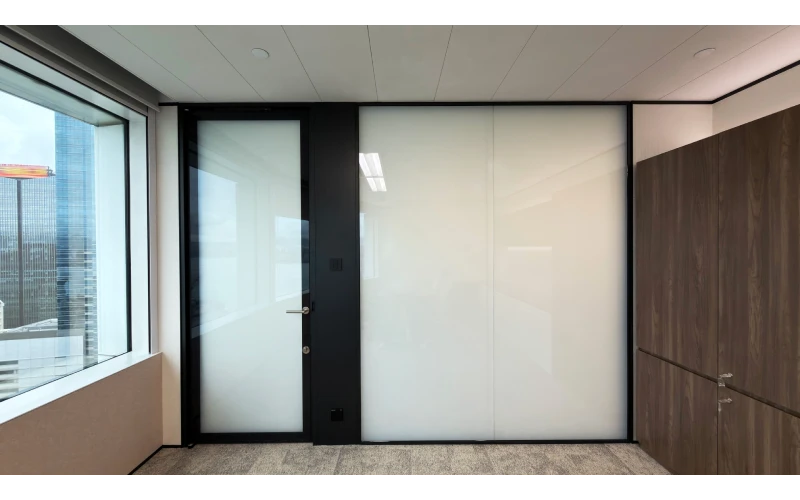
Glass partitions can support this balance through different glass treatments. Clear glass can provide maximum visual connection, while frosted, patterned, or partially treated glass can introduce privacy where it is needed.
This makes it possible to create private offices and meeting rooms without making them feel isolated from the rest of the workplace.
A Professional and Timeless Aesthetic
Office interiors change with trends, but the fundamental appeal of glass remains remarkably consistent.
The clean lines of a glass partition can complement contemporary, minimalist, industrial, and corporate interiors. Slim framing, neutral finishes, and generous glass surfaces create a refined architectural appearance without visually overwhelming the space.
For businesses, this also means the office can maintain a professional appearance while allowing furniture, lighting, branding, and interior finishes to evolve over time.
Where Glass Partitions Work Best
Glass partitions are particularly useful when the location and function of a room are relatively permanent.
Common applications include:
- Private offices and executive rooms
- Meeting and conference rooms
- Small collaboration rooms
- Reception and waiting areas
- Training and consultation rooms
- Internal offices requiring visual connection
Unlike temporary space dividers, glass systems are designed as part of the overall architectural layout, making them suitable for projects where long-term space planning is important.
What Should Designers Consider?
Choosing the right glass partition involves more than selecting a glass finish. Designers should consider the required level of privacy, acoustic performance, door configuration, frame appearance, lighting conditions, and the relationship between individual rooms and the wider office.
The best solution is one that supports the way people actually use the space.
For example, a conference room may require greater acoustic privacy, while a manager's office may prioritize daylight and visual accessibility. Different glass and framing configurations can help achieve these different requirements within the same overall design language.
Designed for Long-Term Value
A well-planned office should not only look good when it is completed. It should continue to support the organization as its needs change.
Glass partitions provide a durable architectural framework for creating defined work areas while preserving the openness that modern offices increasingly value. They combine functionality with a clean visual language, making them a practical choice for projects where design, daylight, privacy, and long-term usability all matter.
When the goal is to divide space without making the workplace feel divided, glass partitions provide a clear solution.