
The modern workplace is undergoing a major transformation. With hybrid work models, evolving team structures, and increased attention to employee wellbeing, traditional office layouts are no longer sufficient. Businesses now require environments that are flexible, efficient, and adaptable.
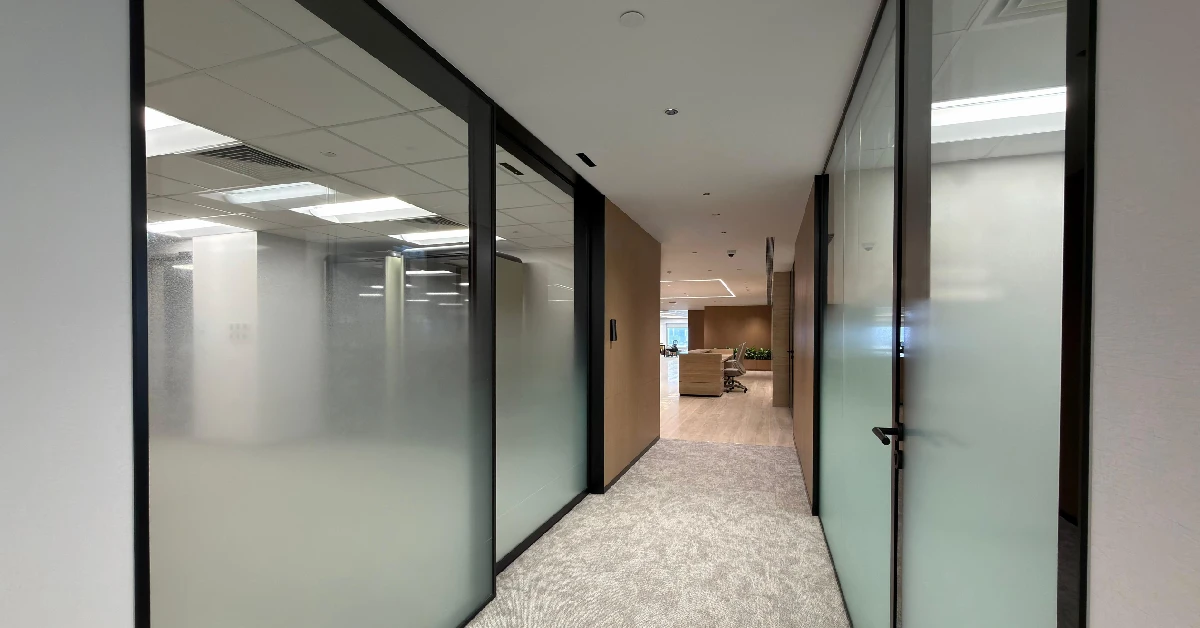
Acoustic glazed systems are becoming a key solution in this shift. By combining transparency, sound control, and modular design, they offer a smarter alternative to fixed construction—supporting both functional and aesthetic needs in contemporary offices.
Flexibility as a Core Design Principle
Flexibility has become one of the most important factors in office design. Organizations need spaces that can evolve alongside their operations, without requiring costly renovations.
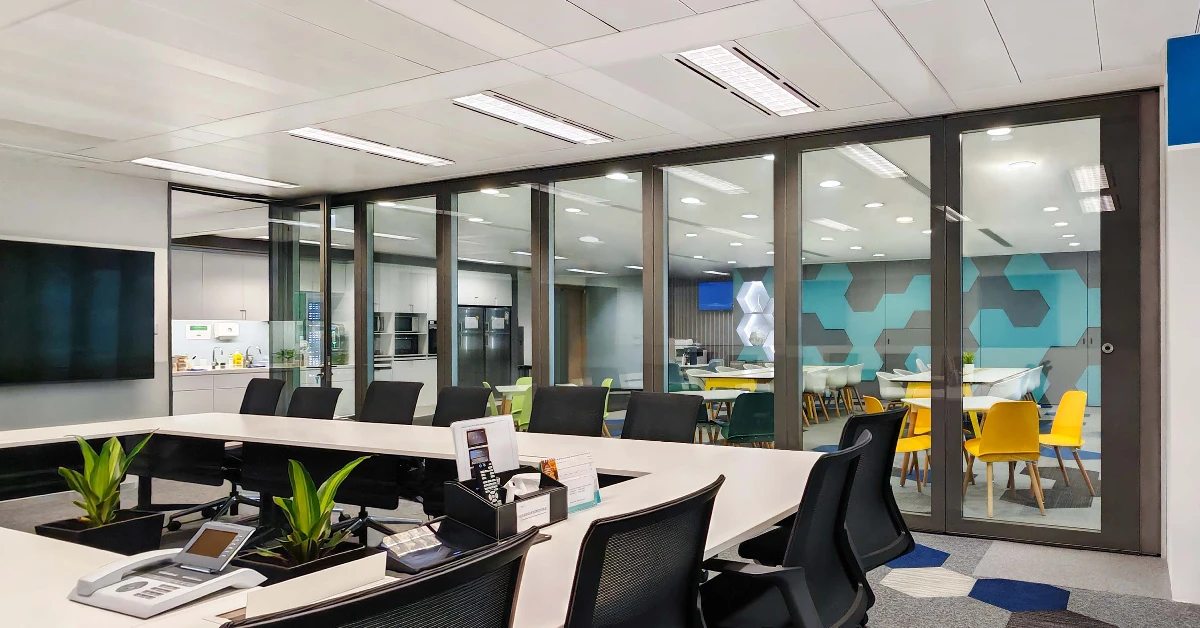
Acoustic glazed systems make this possible. They allow spaces to be divided, expanded, or reconfigured with minimal disruption. Meeting rooms, focus areas, and collaborative zones can all be created within a single open-plan environment.
This adaptability helps businesses optimize their space usage while maintaining the ability to respond quickly to future changes.
Creating a Balance Between Openness and Focus
Open-plan offices encourage communication, but they often come with increased noise and reduced privacy. This can negatively affect concentration and productivity.
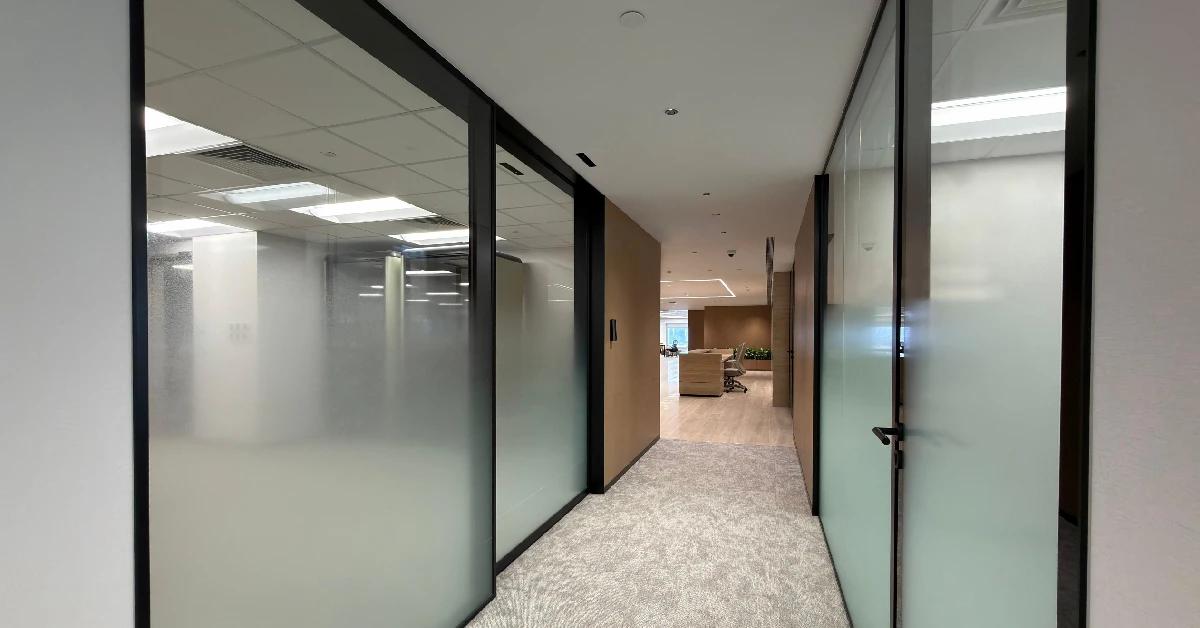
Acoustic glazed systems address this challenge by maintaining visual openness while reducing sound transmission. Employees remain connected to the workspace visually, while benefiting from quieter, more controlled environments.
This balance is essential for supporting both teamwork and individual focus within the same office setting.
Improving Workplace Comfort and Wellbeing
Workplace conditions directly influence employee performance and satisfaction. High noise levels and lack of private areas can lead to stress and decreased efficiency.
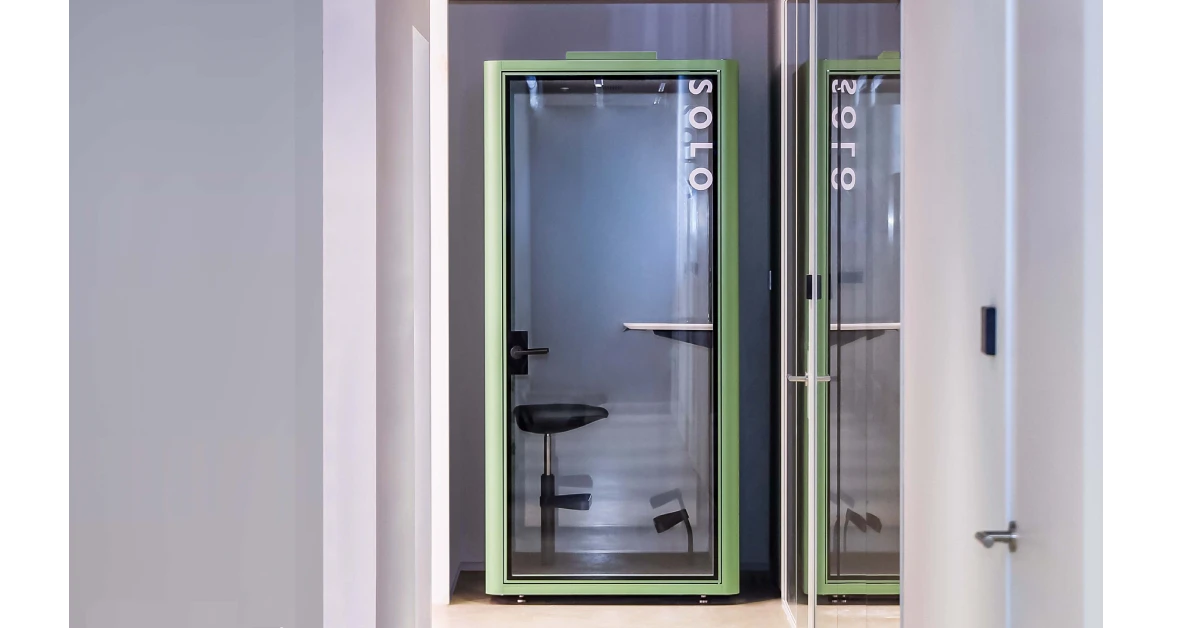
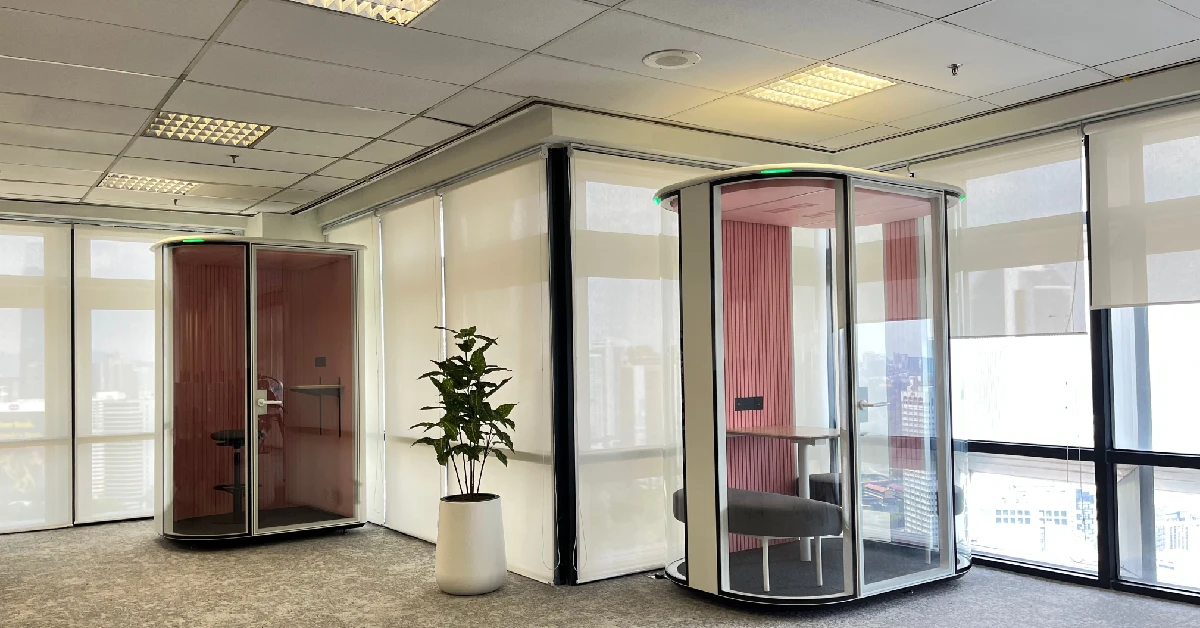
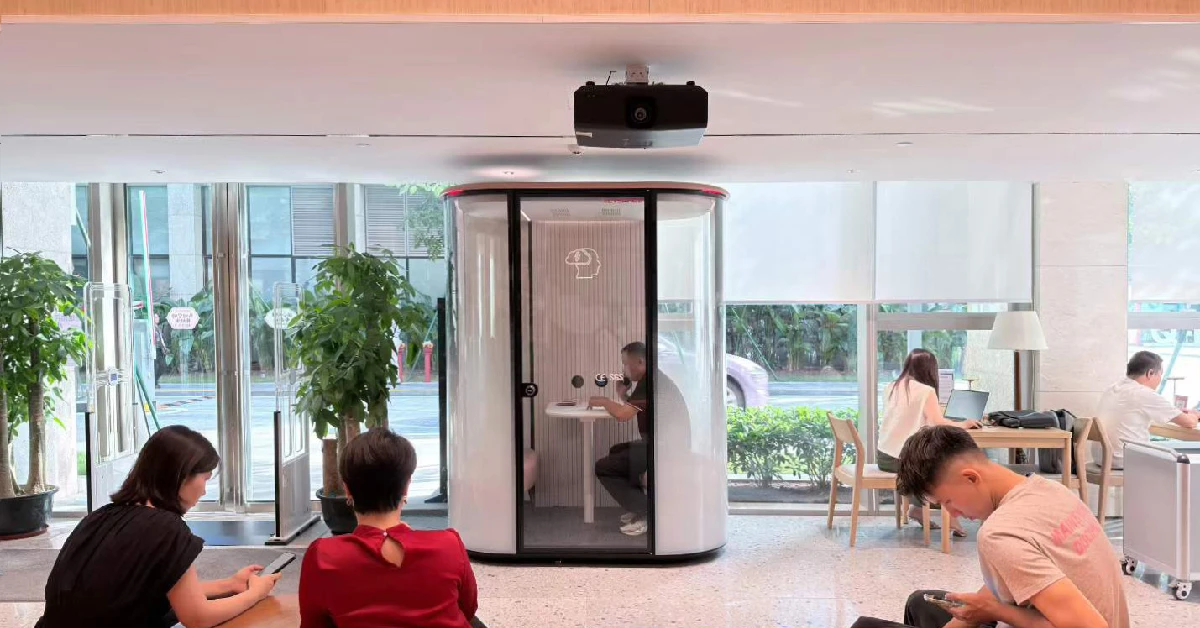
By integrating acoustically controlled spaces, companies can significantly improve comfort. Employees gain access to quiet zones for focused work, private discussions, and virtual meetings.
Providing these environments not only boosts productivity but also reflects a company’s commitment to creating a better workplace experience.
Adaptive Privacy with Switchable Glass
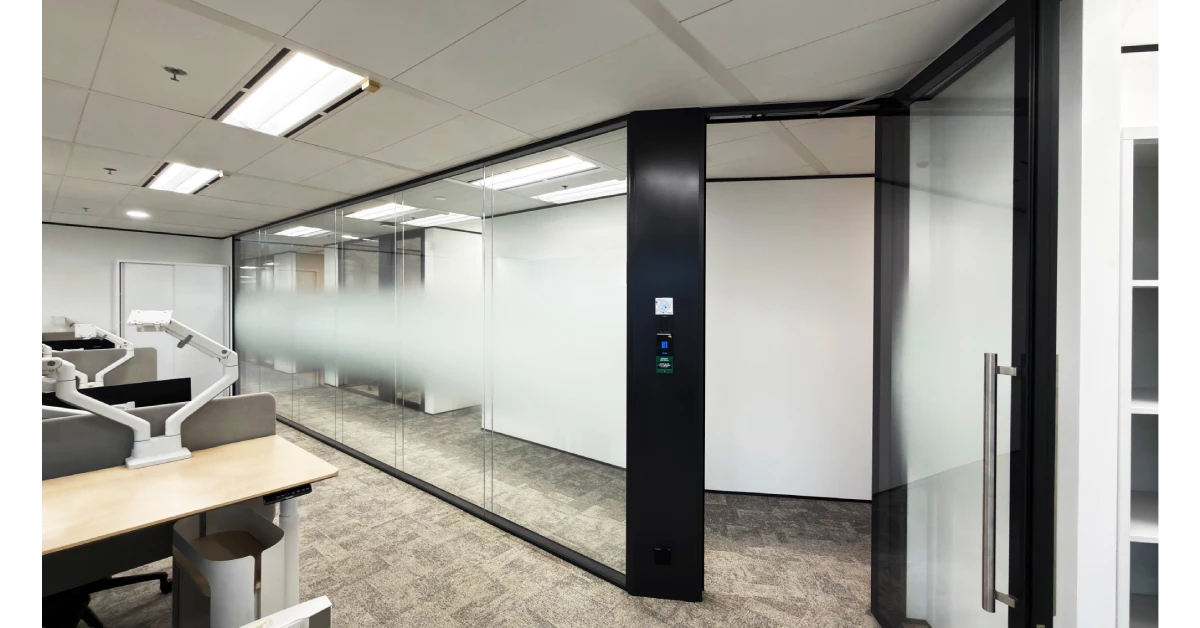
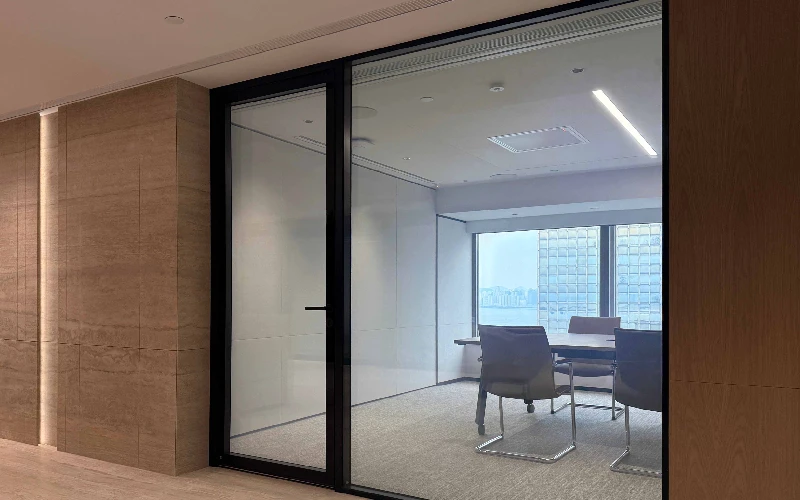
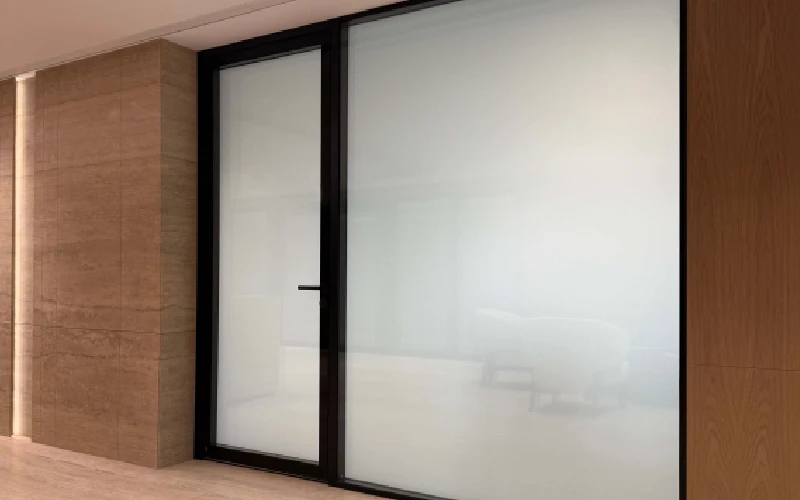
Switchable glass enhances workplace comfort by allowing spaces to shift instantly between openness and privacy. Transparent when collaboration is needed and opaque for focused work or confidential discussions, it reduces visual distractions without changing the physical layout. Integrated into partition systems, it creates a more flexible, efficient, and adaptable environment while minimizing the need for additional construction.
For companies aiming to meet environmental goals, this approach aligns well with long-term sustainability strategies.
A Clean, Design-Driven Aesthetic
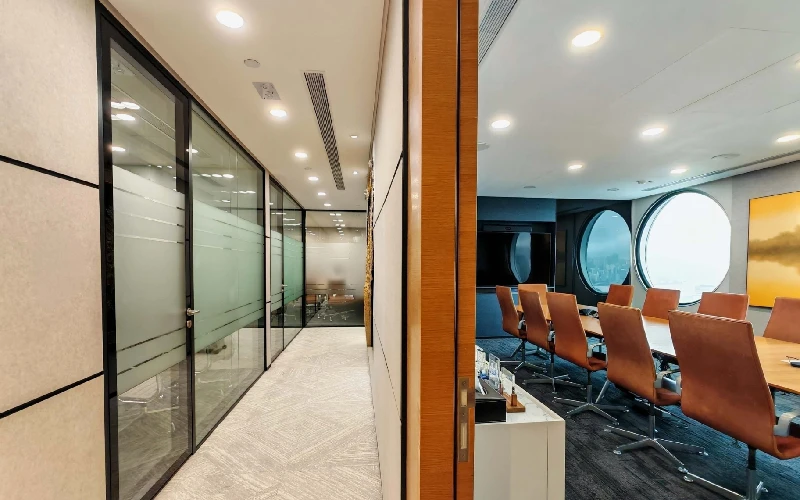
In addition to performance, modern offices must also reflect strong design values. Clean lines, natural light, and high-quality finishes are essential in creating professional and inspiring environments.
Acoustic glazed systems support this vision. Their minimalist appearance integrates seamlessly into a wide range of interior styles, enhancing both functionality and visual appeal.
Customization options allow designers to tailor each system to specific project requirements, ensuring consistency with the overall design concept.
The Future of Workspace Design
As work environments continue to evolve, the need for adaptable, sustainable, and human-centered solutions will only increase. Acoustic glazed systems provide a practical way to meet these demands, offering flexibility without sacrificing design quality or performance.
For architects, designers, and project teams, adopting modular acoustic solutions is not just a trend—it represents a more efficient and forward-thinking approach to workspace design.