
Introduction: The Role of Design in Employee Motivation
The workplace environment has a direct influence on employee motivation, creativity, and overall well-being. A thoughtfully designed office space goes beyond aesthetics; it actively promotes collaboration, reduces stress, and supports productivity. As organizations strive for improved work experiences, integrating human-centered design principles has become key.
Incorporating office pods into a workspace is an essential strategy in creating human-centered environments. These compact, flexible spaces not only address diverse needs but also foster well-being and engagement. In this post, we’ll explore how to design motivational office spaces with a special focus on office pods and how they contribute to an environment that supports employee needs.
The Power of Office Pods in Human-Centered Design
Office pods are transforming the way modern workplaces are designed, offering tailored solutions for different work styles. By creating smaller, customizable spaces, office pods allow employees to work in environments that cater specifically to their tasks, whether they require focus, privacy, or collaboration.
1. Pods for Focus and Privacy
A central feature of human-centered design is acknowledging the variety of tasks employees perform. For deep work, uninterrupted thinking, or confidential meetings, traditional open-plan offices often fall short. This is where pods shine.
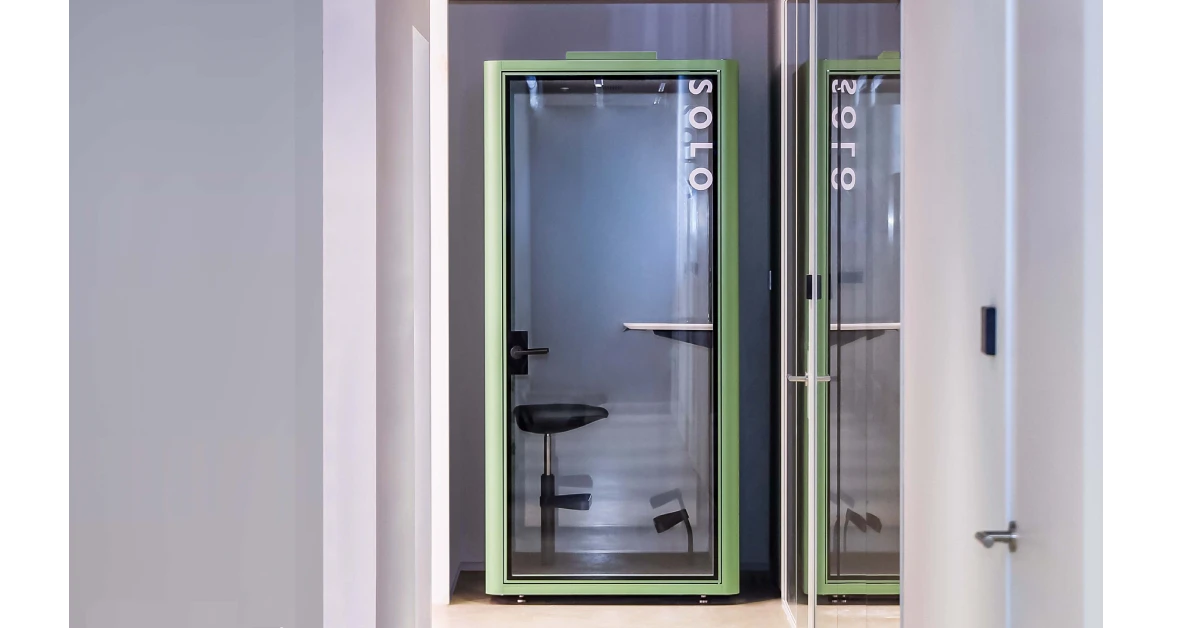
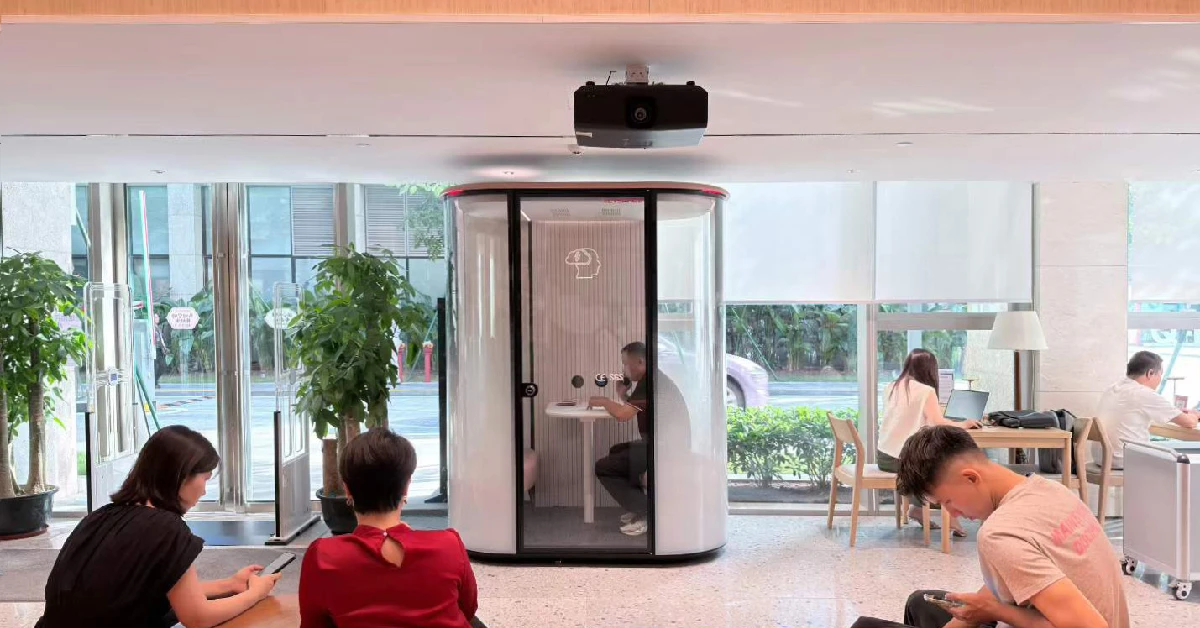
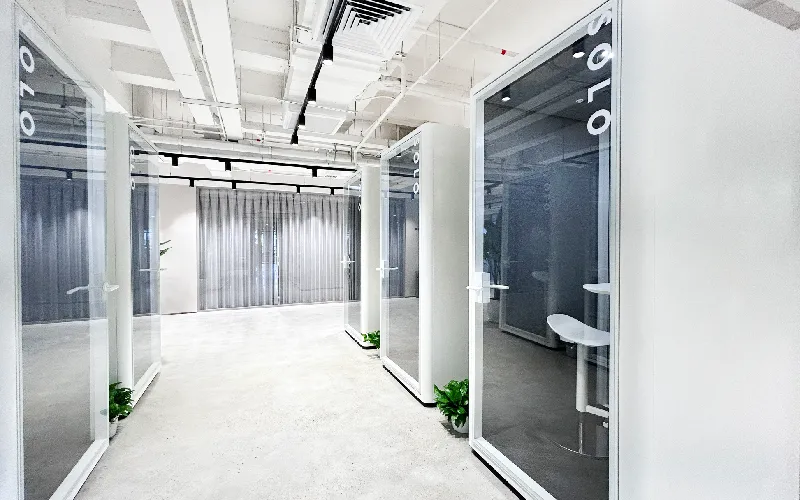
These enclosed, soundproof spaces offer employees a quiet environment, perfect for concentration or private calls. When employees have access to such spaces, they can switch between group work and solitary tasks seamlessly, which reduces distractions and promotes focus.
2. Pods for Collaboration
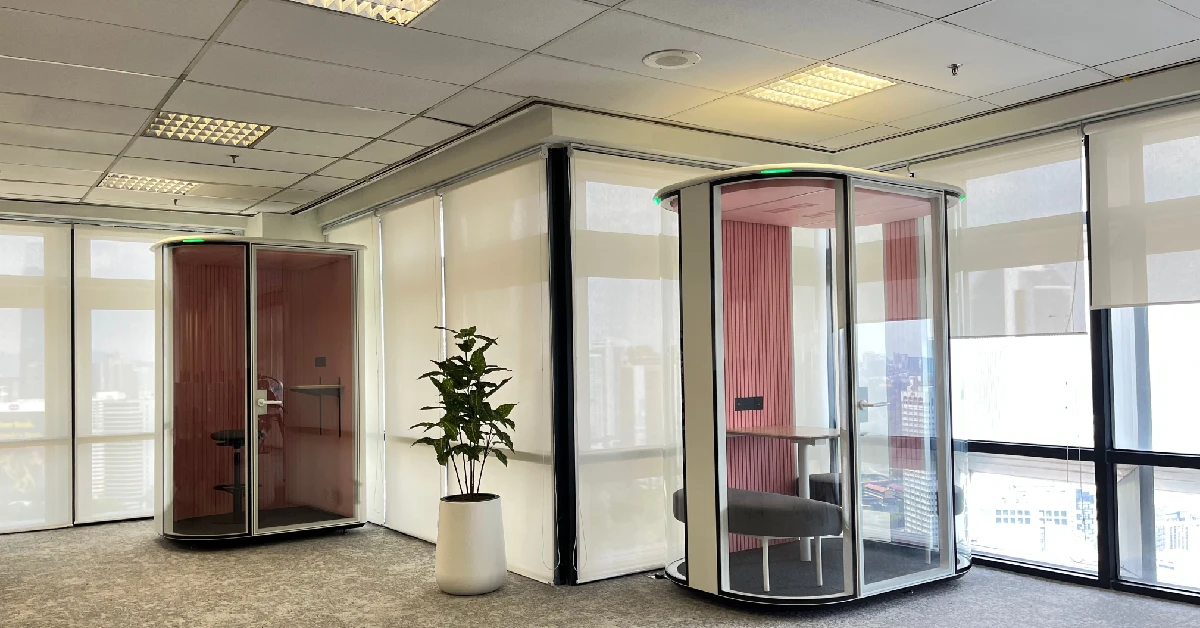
While office pods are often associated with privacy and quiet work, they can also foster collaboration. Talk pods or meeting pods are designed to accommodate collaborative tasks in a more intimate, less formal environment.
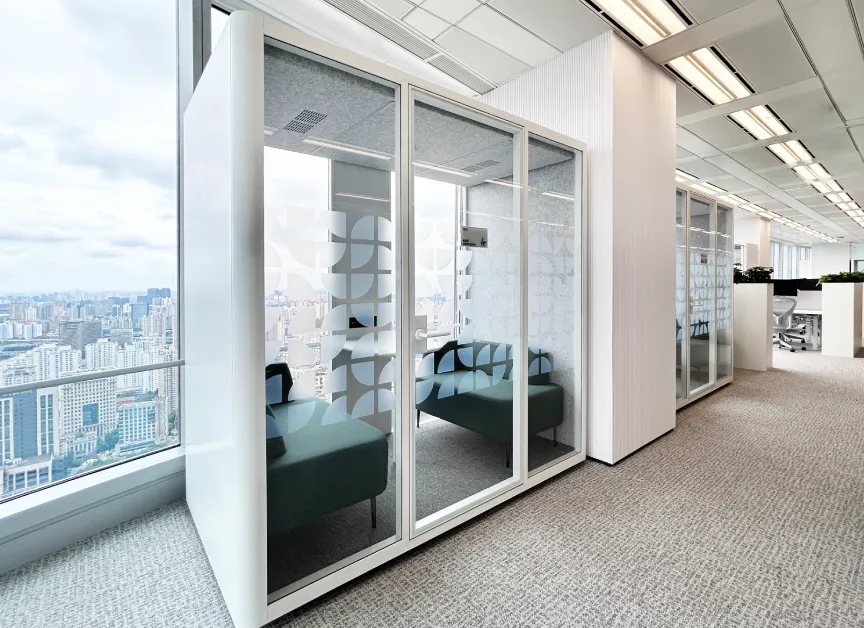
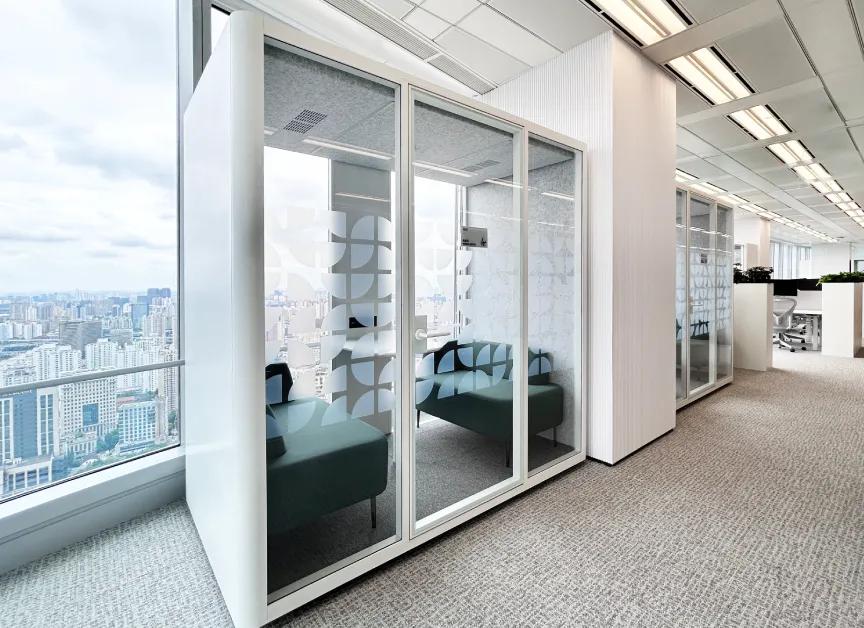
These flexible pods are perfect for team brainstorming, project discussions, or quick check-ins. By strategically placing these pods throughout the office, you provide a variety of environments that support both independent work and teamwork. This balance creates an adaptive, human-centered space where employees can choose how and where they work best.
3. Personalized Spaces within Pods
Office pods can also be customized to reflect personal preferences, which is an important aspect of a human-centered workplace. Personalization can range from simple choices like adjusting the lighting and temperature to more complex options like selecting preferred furniture or acoustic solutions.
Allowing employees to personalize their pod space not only boosts motivation but also fosters a deeper connection to their work environment. It empowers employees to feel ownership over their space, improving overall satisfaction and engagement.
Key Elements to Consider When Designing with Pods
When designing an office that prioritizes human-centered values, incorporating pods effectively can create a balanced and productive atmosphere. Here are key considerations for integrating pods into your office design:
1. Location and Accessibility
It’s important to strategically place pods where employees can easily access them throughout the day. Locations near high-traffic areas work well for collaboration pods, while quieter, more private corners of the office are ideal for focus pods. Ensuring that these spaces are accessible without requiring excessive walking time helps increase their usage and effectiveness.
2. Comfort and Ergonomics
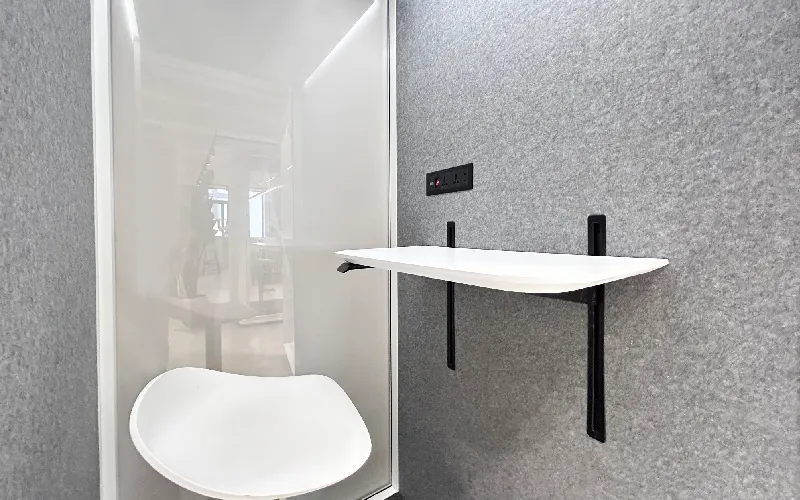
Comfort is key when designing any workspace, and office pods are no exception. From ergonomic seating to adjustable workstations, every element inside the pod should be designed to promote physical well-being. A comfortable workspace improves motivation, reduces strain, and helps employees stay productive longer.
3. Acoustic Considerations
A major advantage of office pods is their ability to mitigate noise, but thoughtful design is necessary to maximize their potential. High-quality soundproofing materials—such as acoustic panels or noise-canceling features—ensure that pods create a calm, distraction-free environment. The sound quality within the pod is just as important as its visual appeal, so a quiet, peaceful atmosphere enhances concentration and well-being.
The Psychological Benefits of Pods in a Human-Centered Workplace
Integrating office pods into a human-centered office design brings more than just practical benefits. It also addresses the psychological needs of employees.
1. Reducing Stress with Quiet Spaces
A workplace that offers employees the ability to retreat into a quiet, private space when needed helps alleviate stress. Research shows that uninterrupted work time and mental breaks contribute to overall well-being. Pods are a great solution for creating a space where employees can recharge mentally, improving their focus and energy levels when they return to the office's collaborative zones.
2. Encouraging Flexibility and Autonomy
A major element of human-centered design is providing employees with control over their workspace. Office pods give employees the autonomy to choose where and how they work, whether it’s in a collaborative team space or a quiet, personal area. This flexibility makes employees feel more valued and boosts their motivation to work.
3. Fostering Creativity in a Tranquil Setting
Creative thinking often thrives in quiet, undisturbed environments. By incorporating creative pods designed for brainstorming or reflection, you provide employees with the ideal setting for new ideas to flourish. When employees feel their work environment supports both focus and creativity, motivation naturally increases.
Conclusion: Pods as the Heart of a Human-Centered Office
To create a motivational office space that genuinely supports employee well-being, it’s essential to focus on both functionality and comfort. Office pods are a key tool in this process, offering customizable spaces that support collaboration, concentration, and creativity. By designing pods that meet the diverse needs of employees, you create a human-centered environment that empowers workers, reduces stress, and fosters productivity.
Integrating pods into your office design is just one piece of the puzzle in crafting a motivating, human-centric workspace. By focusing on flexibility, comfort, and personalization, you can transform your office into a space that truly nurtures your employees' needs and boosts overall motivation.