
How Office Pods Help Reduce Noise and Improve Workplace Productivity
Open-plan offices have transformed the way teams collaborate, but they have also introduced a challenge that many businesses continue to face: noise. Conversations, phone calls, impromptu meetings, and constant movement can make it difficult for employees to focus on important tasks.
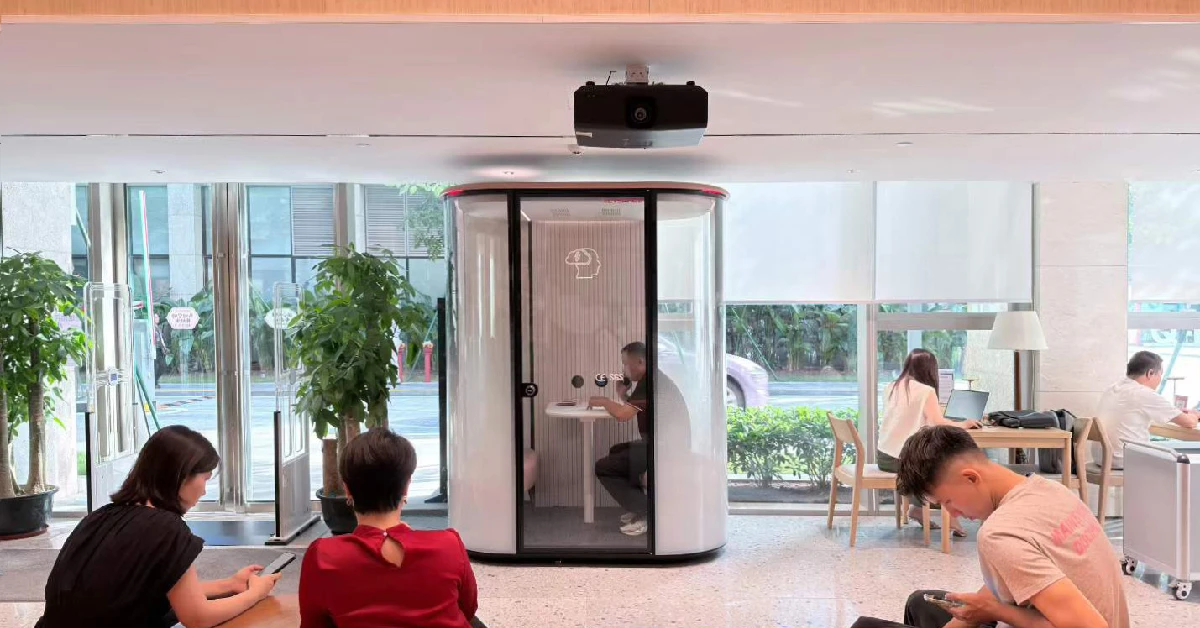
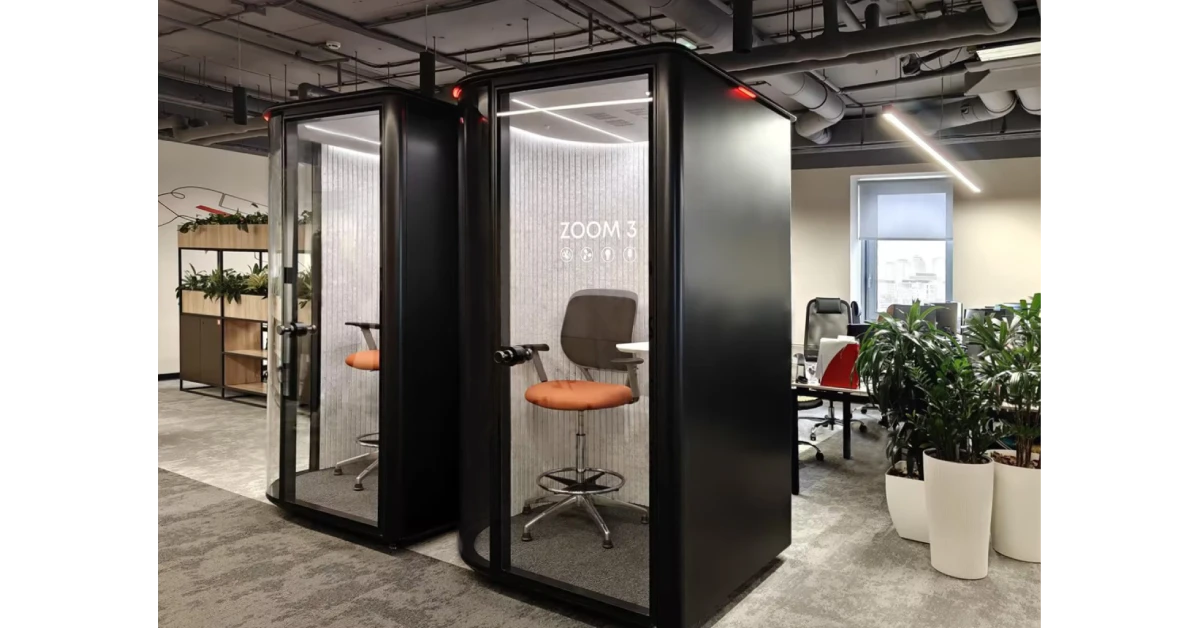
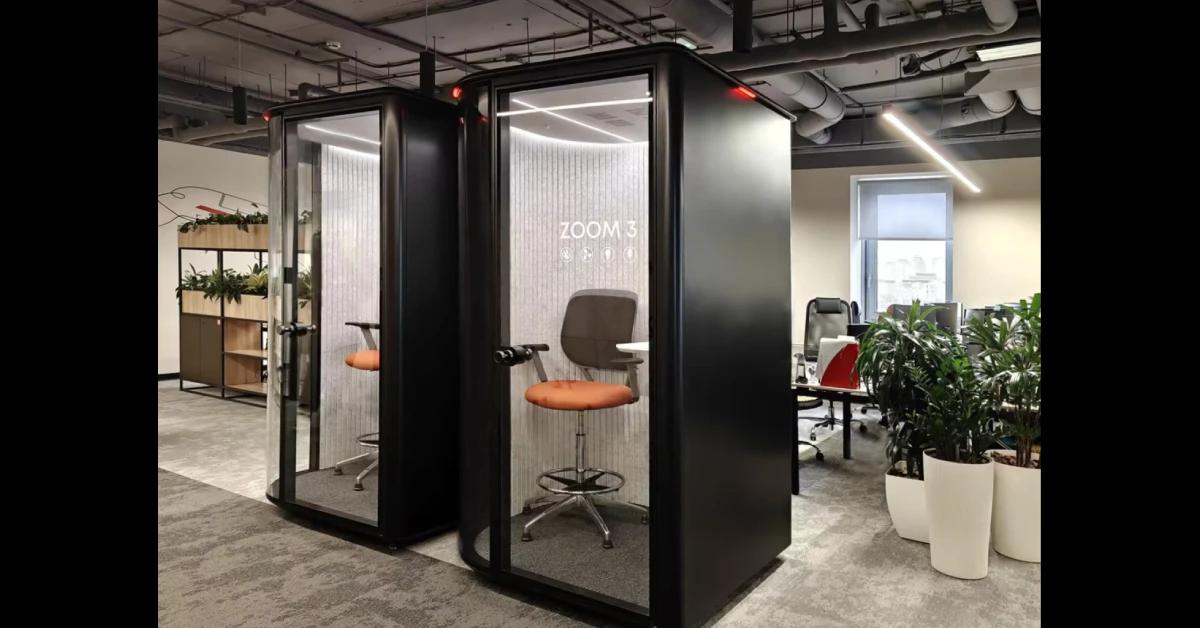
As companies look for ways to balance collaboration with concentration, office pods have emerged as one of the most effective workplace solutions. These self-contained spaces provide privacy, reduce distractions, and create a more comfortable environment for focused work.
The Hidden Cost of Workplace Noise
Many organizations underestimate the impact that noise has on employee performance. While open offices encourage communication, excessive background noise can interrupt concentration throughout the day.
Common workplace distractions include:
- Phone conversations from nearby colleagues
- Group discussions in open areas
- Video meetings and online calls
- Foot traffic in busy office zones
- General office activity and movement
When interruptions become frequent, employees often need additional time to regain focus, leading to reduced efficiency and increased mental fatigue.
Creating designated quiet areas is becoming increasingly important for organizations that want to support productivity and employee well-being.
Why Traditional Office Layouts Are No Longer Enough
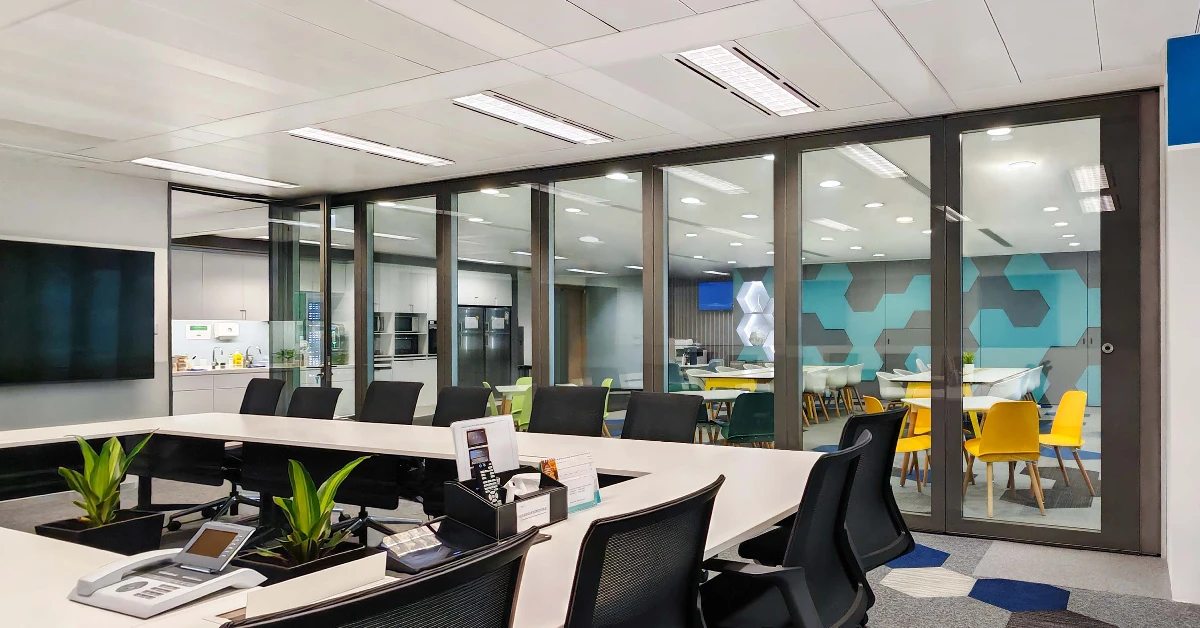
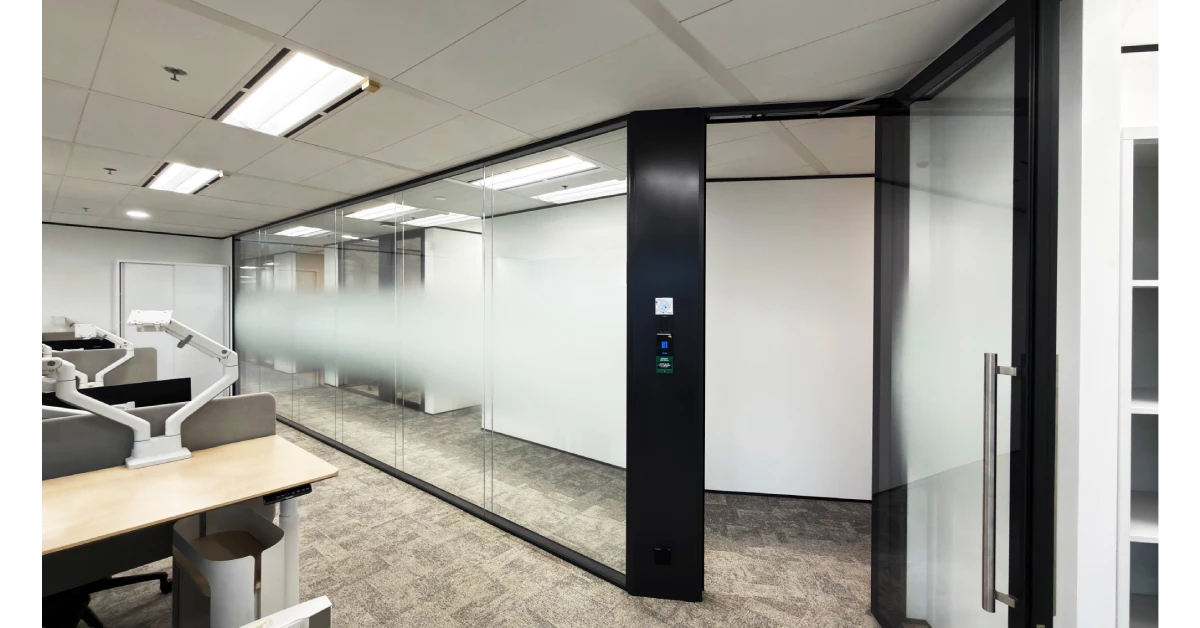
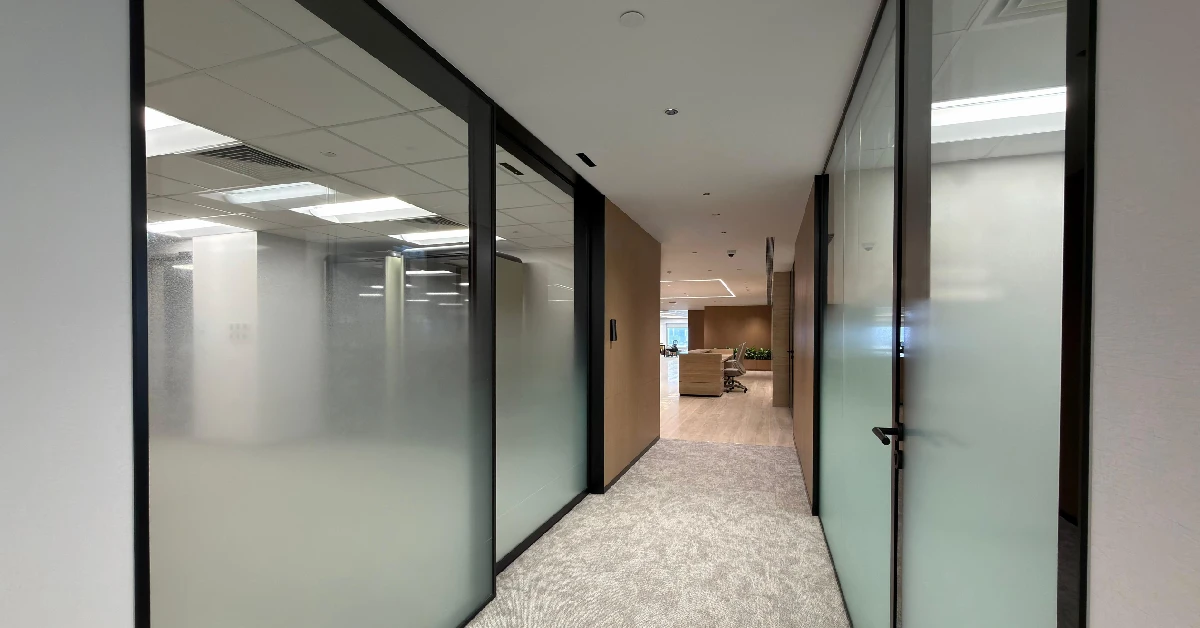
For years, businesses relied on meeting rooms and private offices to provide quiet workspaces. However, these options often come with limitations.
Building permanent rooms requires construction, additional costs, and long-term planning. In many cases, meeting rooms are already heavily booked and unavailable when employees need a private space for calls or focused work.
Modern workplaces require solutions that can adapt quickly to changing team sizes and evolving office layouts. This is where office pods offer a practical advantage.
How Office Pods Reduce Noise
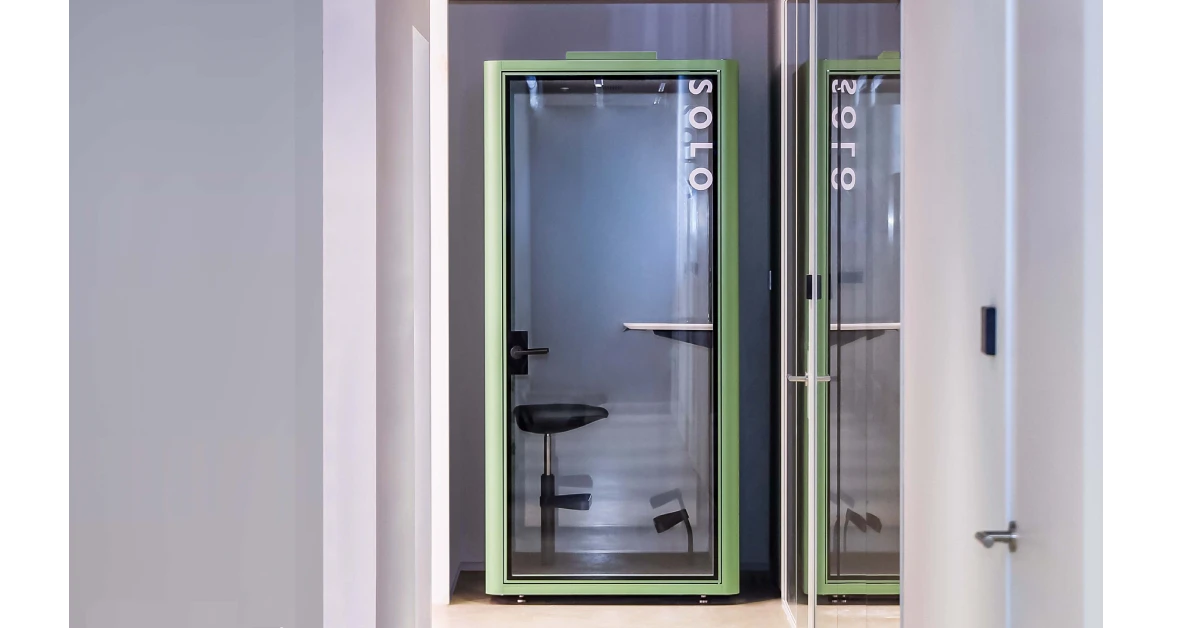
Office pods are designed using acoustic materials that help minimize sound transmission between the pod and the surrounding environment.
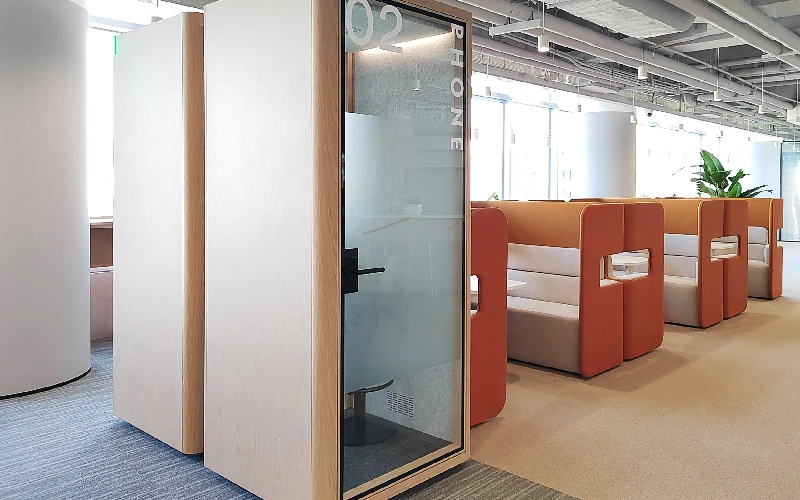
Several features contribute to their acoustic performance:
Sound-Absorbing Interior Materials
Acoustic panels, fabric finishes, and specialized insulation materials help absorb speech and reduce echoes inside the pod.
Acoustic Glass
Many modern pods use laminated or double-glazed glass to maintain openness while improving speech privacy.
Sealed Construction
Well-designed doors and structural components help limit sound leakage, creating a quieter environment for users.
Integrated Ventilation Systems
Advanced airflow systems maintain comfort without introducing excessive noise, allowing employees to remain focused for extended periods.
Together, these elements create a space where employees can work, communicate, or collaborate with fewer distractions.
Benefits Beyond Noise Reduction
Although acoustic performance is often the primary reason businesses invest in office pods, the advantages extend much further.
Improved Privacy
Office pods provide a dedicated space for confidential conversations, client calls, interviews, and virtual meetings.
Enhanced Productivity
Employees can complete tasks that require concentration without being interrupted by surrounding office activity.
Better Employee Experience
Providing access to quiet spaces demonstrates a commitment to employee comfort and workplace well-being.
Flexible Space Planning
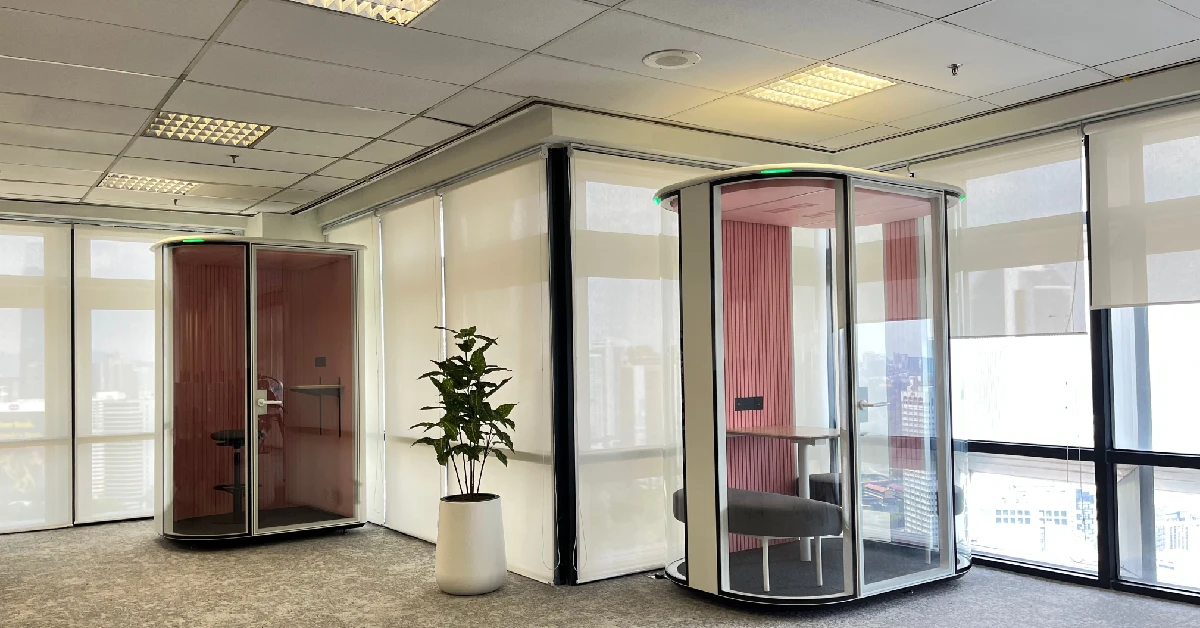
Unlike traditional construction, office pods can often be relocated or reconfigured as organizational needs change.
This flexibility makes them particularly attractive for growing companies and hybrid work environments.
The Future of Workplace Design
The modern office is evolving from a one-size-fits-all environment into a collection of spaces designed for different work styles. Employees need areas for collaboration, creativity, focused work, and private communication.
Office pods support this shift by providing flexible, purpose-built environments without requiring major renovations. As organizations continue to prioritize productivity, employee satisfaction, and adaptable office layouts, acoustic pods are becoming an essential component of workplace design.
Conclusion
Workplace noise remains one of the biggest challenges in open-plan offices. Office pods offer an effective way to create quiet, private spaces while maintaining the collaborative benefits of modern workplace design.
By reducing distractions, improving privacy, and supporting flexible space planning, office pods help organizations create environments where employees can perform at their best. Whether used for focused work, confidential conversations, or virtual meetings, acoustic pods are a smart investment for the future of the workplace.