
Why Accessibility Matters in the Modern Workplace
An inclusive workplace is more than a place where people work together. It is an environment where everyone has the opportunity to participate, collaborate, and perform at their best. As offices evolve to support different working styles, accessibility has become an essential part of workplace design.
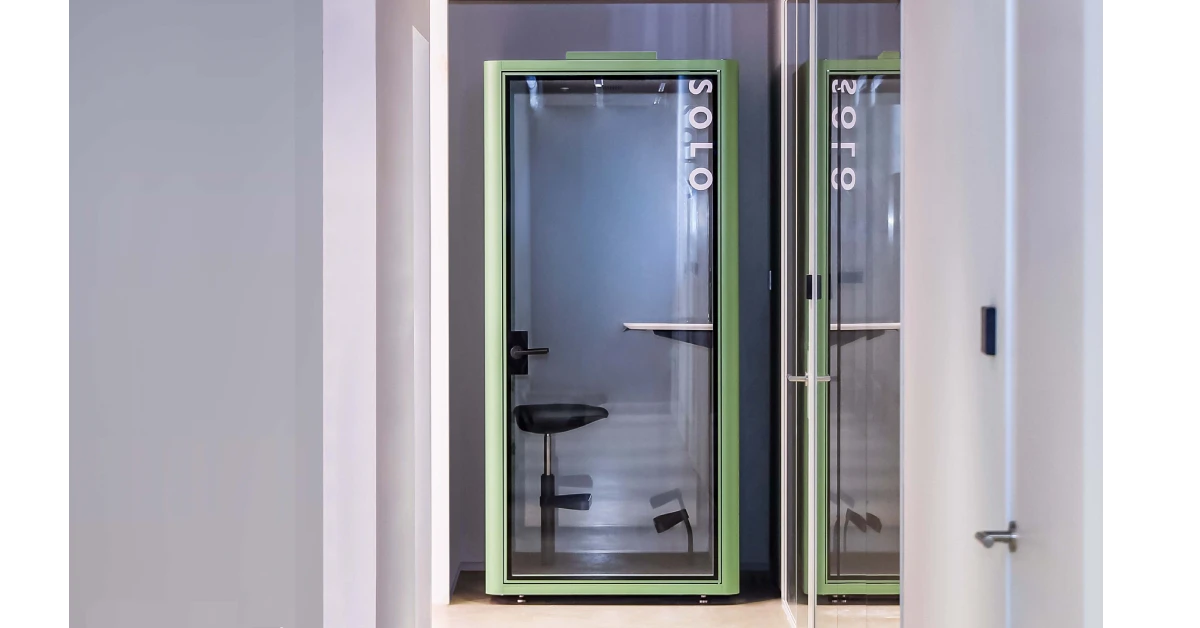
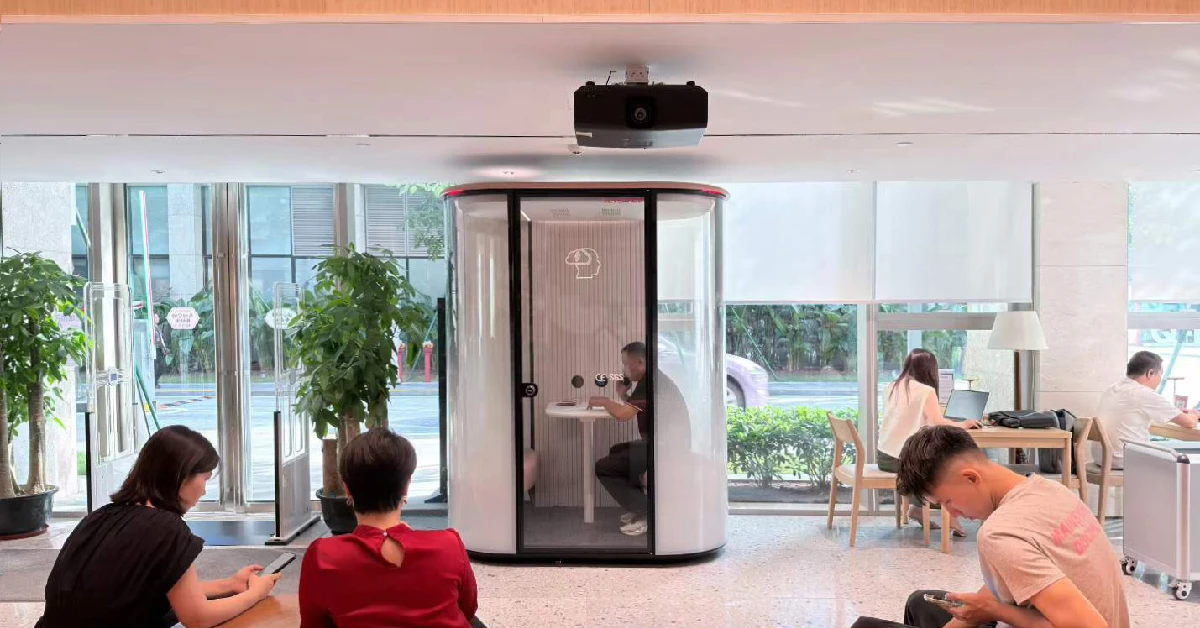
Traditional office phone booths provide privacy for calls, virtual meetings, and focused tasks. However, standard designs may not accommodate employees with different mobility requirements. Narrow entrances, limited interior space, and hard-to-reach controls can create unnecessary barriers.
An accessible phone booth helps address these challenges by combining privacy, comfort, and thoughtful design. It allows more employees to access quiet spaces independently, making the modern office more welcoming and functional for everyone.
What Makes an Office Phone Booth Accessible?
Accessibility goes beyond making a booth physically larger. It involves considering how different people enter, move around, and use the space comfortably.
1. Wheelchair-Friendly Access
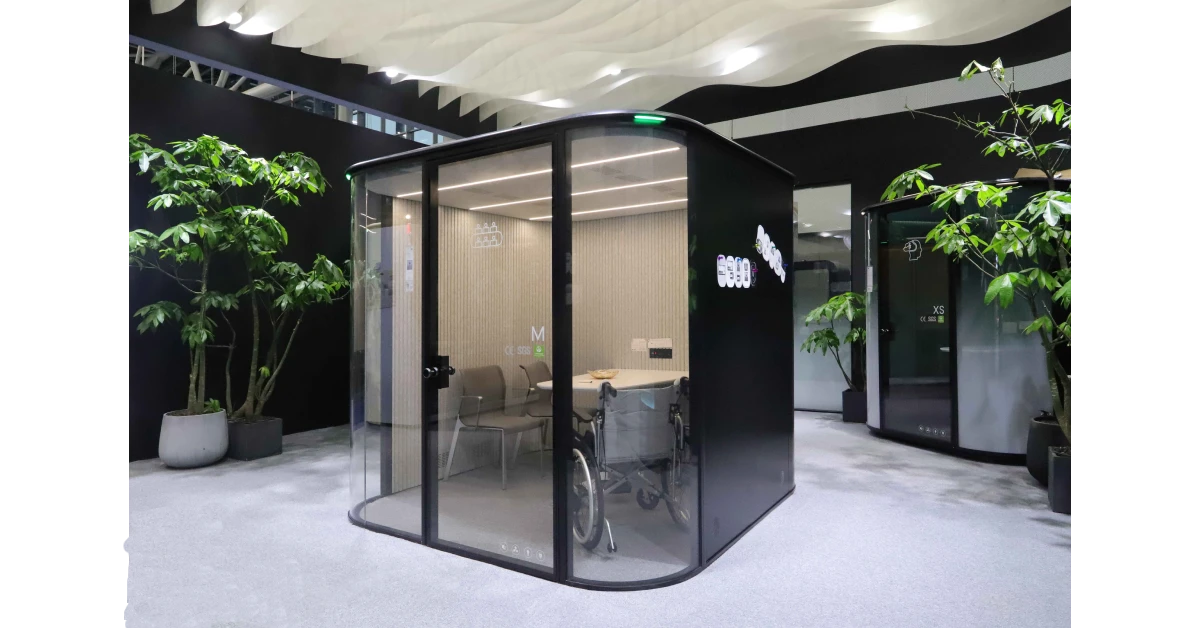
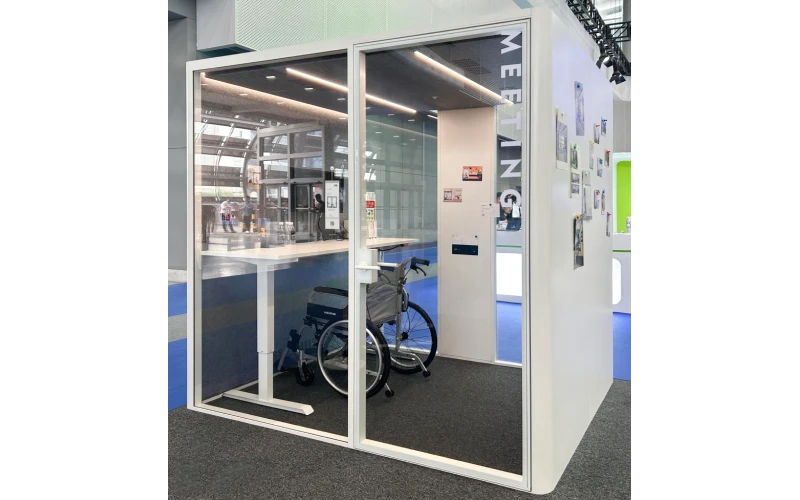
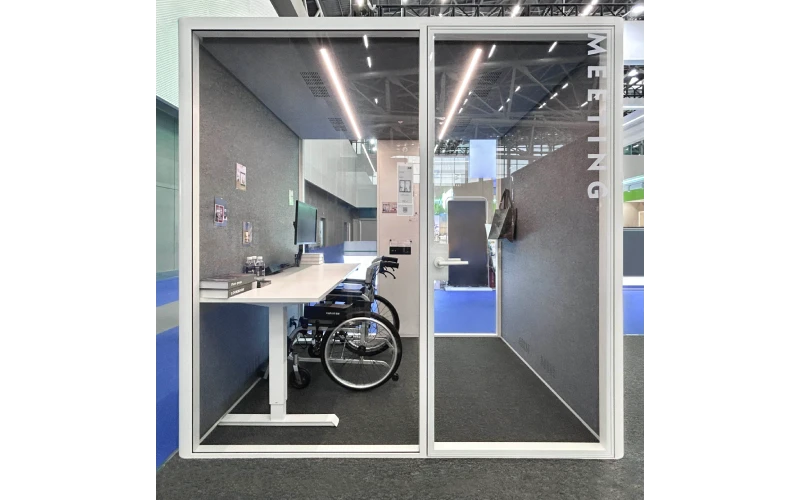
A wheelchair-accessible phone booth should provide a sufficiently wide entrance, a practical door-opening solution, and a smooth, low-threshold entry wherever feasible. These features can make entering and exiting easier for wheelchair users and people with limited mobility.
The interior should also provide adequate maneuvering space, with a layout that avoids unnecessary obstacles. Door clearances, turning space, and approach routes should be assessed together to ensure the booth works as intended.
2. User-Friendly Controls
Lighting, ventilation, and other essential functions should be easy to locate and operate. Controls positioned within a comfortable reach range can improve usability for people with different physical abilities.
Simple interfaces and clearly identifiable controls also make the booth easier for first-time users. Thoughtful details like these reduce the effort required to use the space independently.
3. Comfortable and Flexible Interiors
A practical accessible booth needs more than an open doorway. Its internal layout should accommodate the intended user, including their mobility equipment and working needs.
Furniture placement, desk height, legroom, and clear floor space all influence usability. Depending on the application, a flexible interior layout may be preferable to a fixed arrangement that restricts movement.
4. Acoustic Privacy and Ventilation
Accessibility should not come at the expense of performance. An accessible phone booth should still provide a comfortable environment for calls and virtual meetings.
Effective acoustic design helps reduce distractions from the surrounding office, while appropriate ventilation supports comfort during use. Lighting and interior finishes should also contribute to a pleasant, practical working environment.
The Benefits of Accessible Phone Booths for Everyone
Although accessible design addresses specific barriers, its benefits extend across the entire workplace.
Greater independence: Employees can access private workspaces with less reliance on assistance, supporting confidence and autonomy.
Improved productivity: A quiet environment makes it easier to concentrate, participate in virtual meetings, and handle confidential conversations without interruptions.
More flexible workplaces: Accessible private spaces give employees more options for working comfortably throughout the day, supporting a wider range of tasks and preferences.
A stronger culture of inclusion: Investing in accessibility demonstrates that a company considers the needs of its employees when planning and designing the workplace.
These benefits make accessible phone booths a valuable consideration for offices, coworking spaces, educational institutions, and other shared working environments.
How to Plan an Accessible Phone Booth
Before selecting a booth, project teams should evaluate the available space, intended users, and relevant accessibility requirements.
Start by checking the entrance width, door operation, turning space, and approach route. Consider whether the booth's desk, controls, and other components can be used comfortably from a seated position. Acoustic performance, ventilation, lighting, and ease of maintenance should also form part of the assessment.
Importantly, accessibility requirements vary by location and building type. Designers should verify applicable local codes and accessibility standards rather than relying on a product description alone. Where necessary, consult an accessibility professional to confirm that the complete installation meets the project's requirements.
Early planning can help prevent costly layout changes and ensure that the selected solution works with the surrounding office environment.
Building a More Inclusive Future with UVO
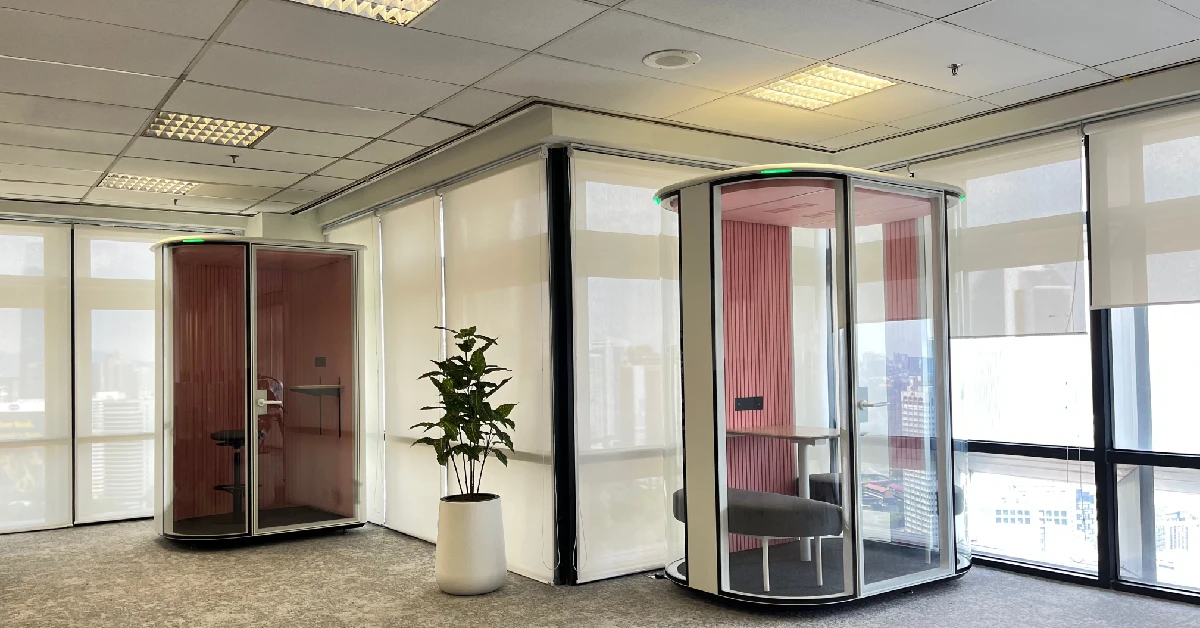
At UVO, we believe great workplace design should balance privacy, flexibility, and usability. Office pods and modular partition systems help businesses create functional spaces that adapt to changing needs without relying on complicated construction work.
When planning an accessible phone booth, the goal should be to create a private workspace that is practical to enter, comfortable to use, and thoughtfully integrated into the office. Every design decision, from entrance clearance to control placement, can contribute to a better user experience.
An inclusive workplace is built through everyday decisions. By considering accessibility from the beginning, businesses can create environments where more people feel comfortable, supported, and empowered to do their best work.
Great design isn't just for some. It's for everyone. Accessibility isn't an afterthought — it's part of great design.