
Rethinking Acoustic Pods for Your Office
Adding an acoustic pod to your office might seem straightforward: pick a model, find a spot, and you’re done. But if you want to unlock its full potential, a more deliberate approach is essential. From the number of pods to their placement and integration into office culture, every detail counts. This guide outlines practical tips for buying, positioning, and optimizing acoustic pods in your workspace.
Choosing the Right Number and Type of Pods
Selecting the correct quantity and type of pods is critical. The right combination improves productivity, while the wrong setup can frustrate employees or overcrowd the office.
Avoid relying on a single pod
Many companies assume one pod is enough to handle calls, meetings, and focused work. In reality, a single pod cannot serve all these purposes simultaneously. Too few pods lead to scheduling conflicts, tension, and underutilization. Consider your team size and usage patterns before purchasing.
Align pods with team needs
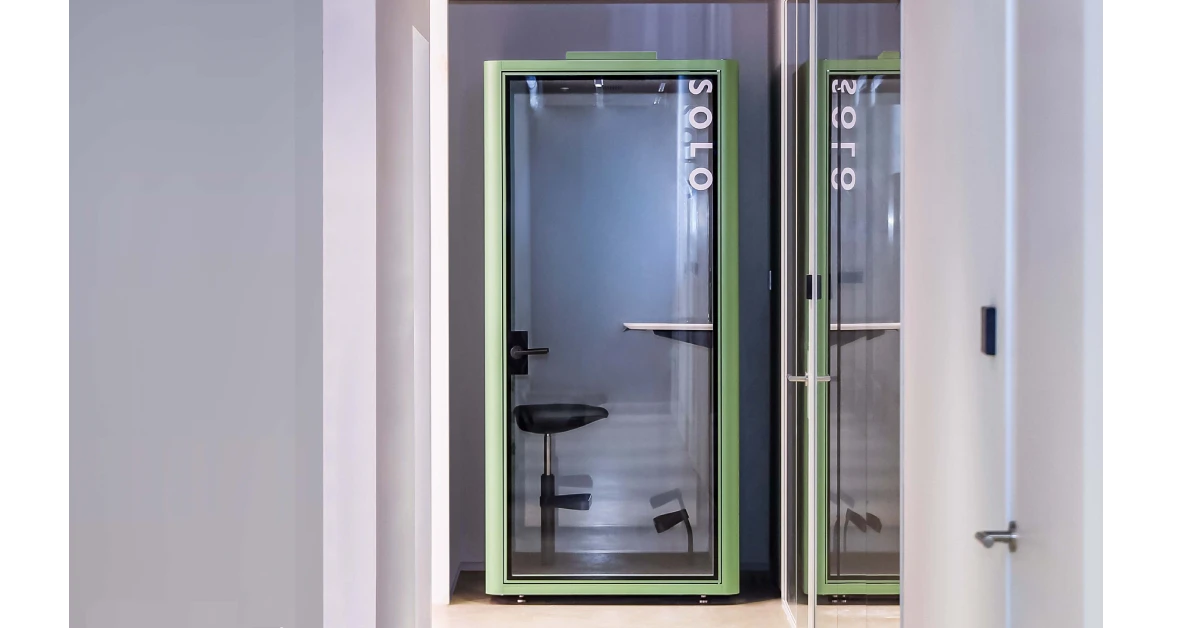
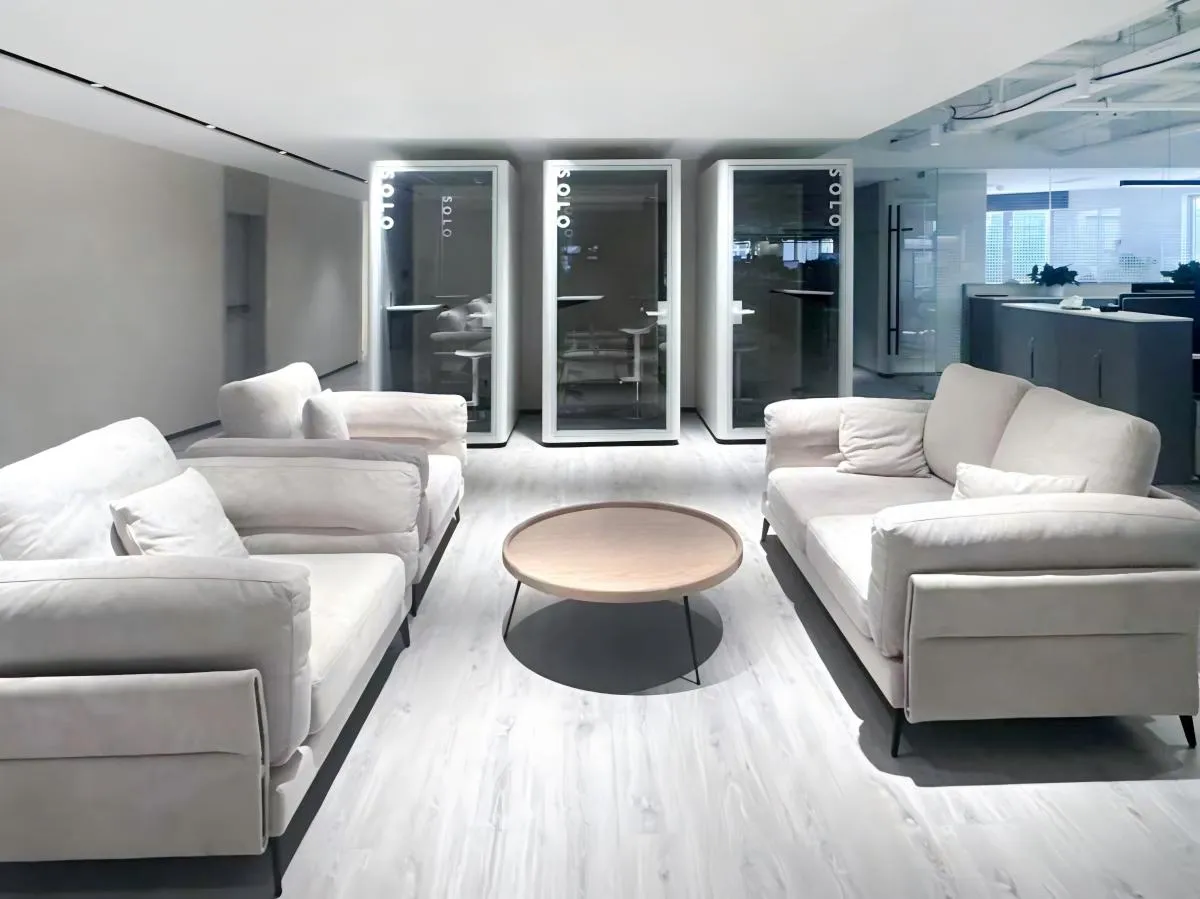
Different teams have different requirements. Pods generally support four main functions: quick calls, collaborative discussions, focused work, and meetings. Sales teams often need several one-person pods for calls, while marketing or strategy teams benefit from larger pods for brainstorming sessions. Conduct a brief employee survey to understand pod requirements before deciding on types and quantities.
Strategic Placement of Acoustic Pods
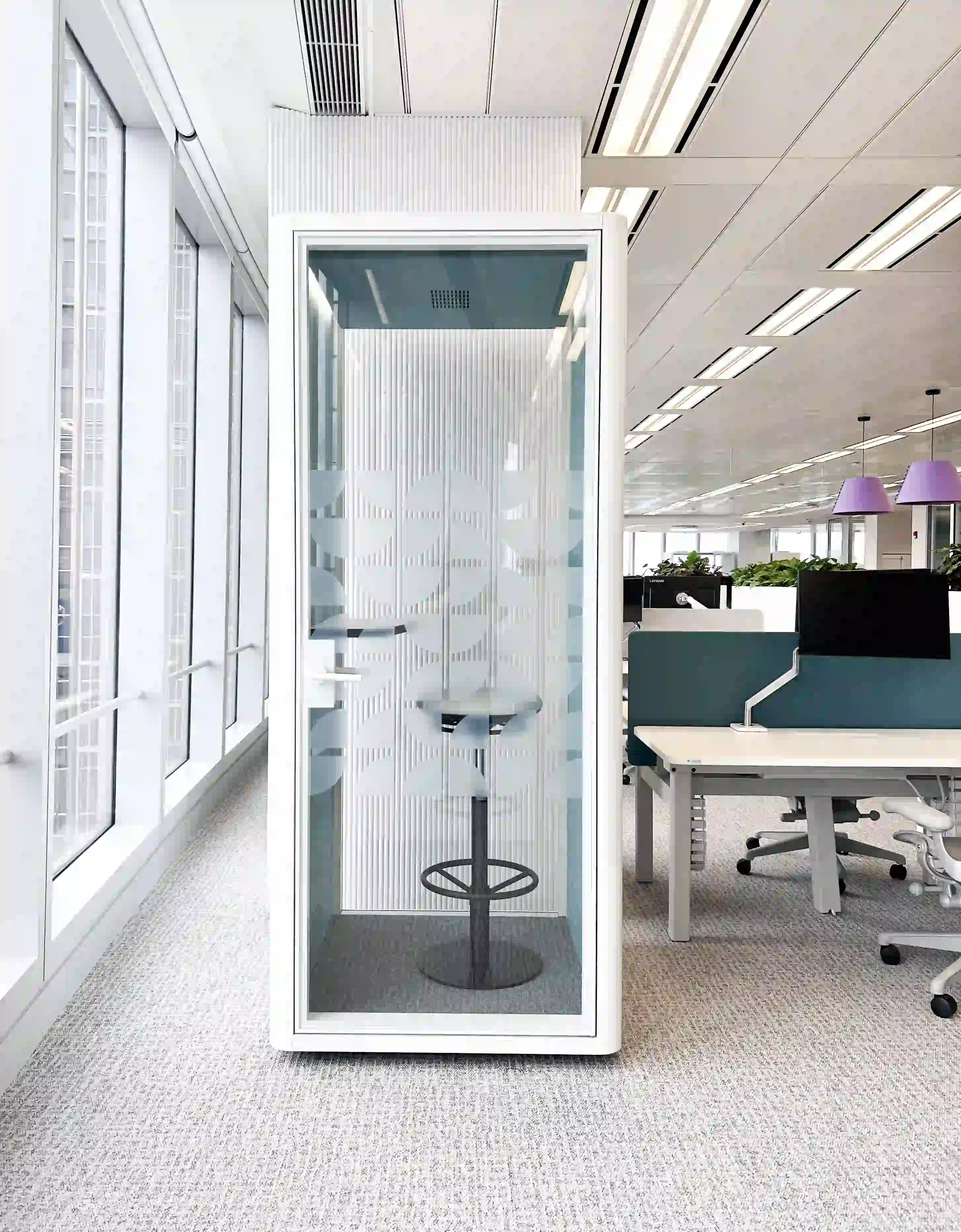
Proper placement is as important as pod selection. Thoughtful positioning ensures that acoustic pods are easy to use, comfortable for occupants, and harmonious with the surrounding workspace. When pods are placed strategically, they enhance productivity without introducing new sources of distraction or congestion.
Convenient but mindful positioning
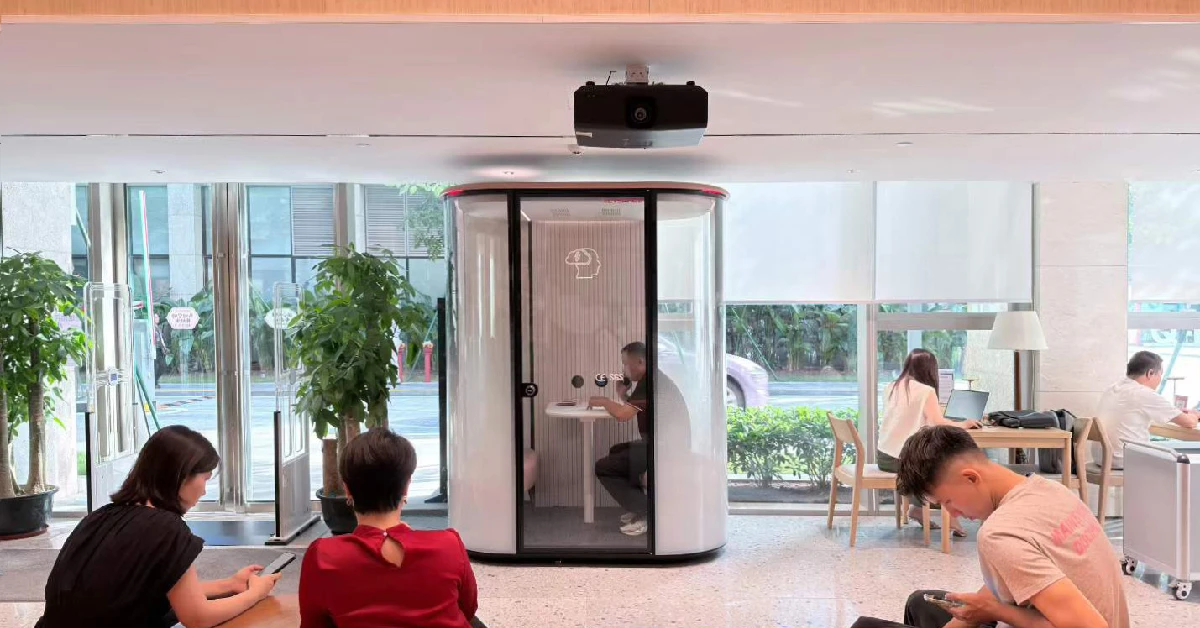
Acoustic pods should be located where employees can access them quickly, particularly for short phone calls or impromptu virtual meetings. Placing pods too far from workstations reduces their usefulness and discourages spontaneous use.
At the same time, positioning must be mindful of surrounding desks and circulation paths. Maintaining a minimum distance of two meters between pods and nearby workstations helps prevent fan noise or door movement from disturbing others. Pods should also avoid blocking walkways or emergency exits, ensuring smooth movement throughout the office while remaining highly visible and easy to locate.
Ensure ventilation
Ventilation plays a critical role in user comfort, especially for pods used for longer periods or frequent calls. Even well-designed acoustic pods rely on adequate airflow around the unit to function efficiently.
To support proper ventilation, allow at least 20 centimeters of free space above the pod ceiling and on both sides. This clearance ensures that internal fans can circulate fresh air effectively and maintain a comfortable temperature. Pods should also be positioned away from direct sunlight, particularly near east- or south-facing windows, where heat buildup can occur. Avoiding these locations helps prevent overheating and reduces the need for excessive fan operation.
Pods as spatial dividers in open offices
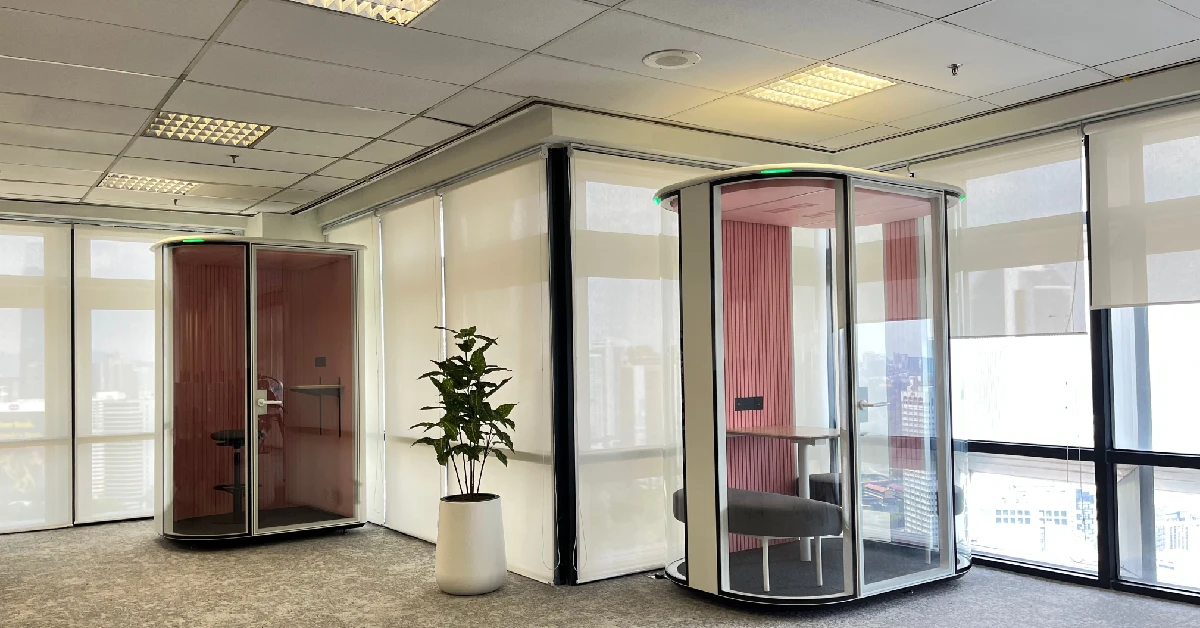
Acoustic pods can serve a dual purpose beyond providing private spaces. When positioned thoughtfully, they act as soft partitions that help define different functional zones within an open-plan office.
By placing pods between collaborative areas and quieter work zones, organizations can create a natural acoustic buffer without resorting to permanent walls. This approach maintains openness and visual connectivity while improving sound control. Pods used as spatial dividers also guide movement and subtly communicate how different areas of the office are intended to be used.
Flexible layouts
Modern offices are rarely static, and pod placement should reflect that reality. Pods equipped with casters offer the flexibility to adapt as teams grow, shrink, or reorganize.
Movable pods allow facilities teams to respond quickly to changing needs—whether that means creating additional private spaces during busy periods or reconfiguring layouts for new projects. This flexibility reduces the risk of long-term planning mistakes and ensures that acoustic solutions remain relevant as workplace dynamics evolve. Over time, the ability to reposition pods becomes a valuable asset in maintaining an adaptable and future-ready office environment.
Integrating Pods Into Office Culture
Even the best pods are ineffective if employees don’t understand or use them properly. Introduce pods thoughtfully to ensure they enhance productivity.
Welcome your team
Pods may be a novelty for many employees. Send a memo explaining their benefits for privacy, focus, and collaboration. Encourage use without pressure.
Educate with clear signage
Use wall posters or reminders to clarify pod functions. Quick-call pods can include guidance to limit session length, while meeting pods may highlight the online booking system.
Monitor usage and collect feedback
After a few months, survey employees about pod usage, comfort, and placement. Their insights can guide future decisions and optimize pod utility.
Benefits of Thoughtful Pod Implementation
Strategic pod use transforms your office beyond noise reduction. Benefits include
- Improved focus and productivity
- Reduced distractions and noise
- Flexible spaces for calls, meetings, or concentration
- Enhanced employee well-being
Planning placement, quantity, and usage policies carefully ensures pods deliver maximum value.
Conclusion
Acoustic pods are more than office furniture—they are tools to enhance privacy, collaboration, and comfort. By selecting the right types, placing them strategically, and introducing them thoughtfully to your team, your office becomes more productive, flexible, and enjoyable. Flexibility and employee feedback will ensure pods continue to meet evolving needs.